

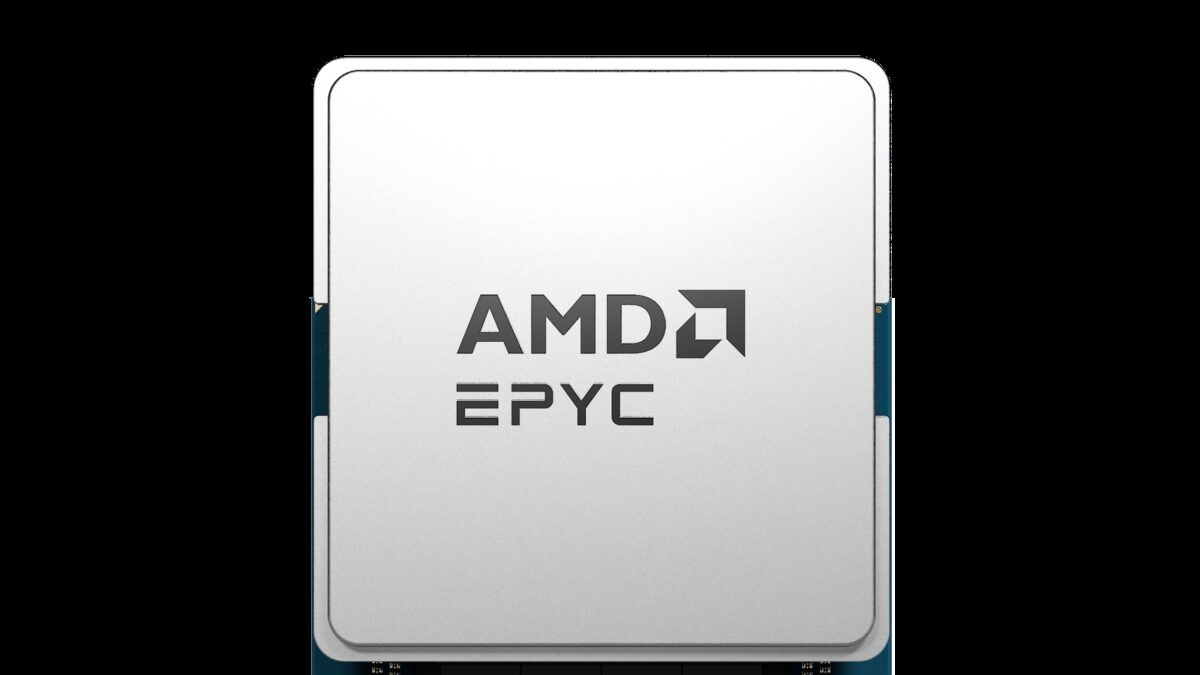
AMD has started mass production of Venice, its next-generation EPYC server chips built on TSMC’s 2-nanometer N2 process. The move gives AMD a first-mover bragging right in high-performance computing, while also putting more pressure on rivals that are still talking about advanced-node roadmaps instead of shipping them.
Venice is based on Zen 6 and is being manufactured first in Taiwan, with Arizona production planned later to spread supply risk. The chip line targets data-center buyers who want performance, efficiency, and a more resilient supply chain.
TSMC’s N2 process brings GAA nanosheet transistors
Venice is also a milestone for TSMC itself, because N2 marks the foundry’s shift away from FinFET transistors to gate-all-around, or GAA, nanosheet designs. In plain English, the transistor channel is wrapped more completely by the gate, which tightens control, cuts leakage, and helps keep performance gains coming without a matching surge in power draw.
AMD says Venice will deliver more than 70% better performance and energy efficiency than Turin, its previous 3 nm generation. That is a very large jump for server silicon, and the kind of number data-center buyers will test aggressively because marketing slides are cheap and electricity is not.
AMD EPYC Venice scales to 256 cores
The platform is aimed at ”agentic” AI workloads, a phrase the industry now uses for systems that need far more than simple inference throughput. Venice will scale to 256 cores, or 512 threads, which is one-third above the top end of the previous CPU generation.
- Process: 2-nanometer TSMC N2
- Architecture: Zen 6
- Maximum core count: 256 cores
- Maximum thread count: 512 threads
- Compared with Turin: more than 70% claimed gain in performance and efficiency
AMD Helios and the push into 2.5D packaging
AMD also said it will invest more than 10 billion dollars in Taiwan’s technology ecosystem, with money going toward advanced 2.5D packaging needed to combine Venice with its Instinct MI450X accelerators. The pair will form the AMD Helios server rack, a system designed for very large AI deployments.
Those Helios rollouts are scheduled for the second half of 2026, including multi-gigawatt installations in major data centers, with OpenAI already listed among the customers. AMD is clearly trying to sell not just chips, but an entire rack-level platform, which is smarter than selling silicon one part at a time.
Verano is next on AMD’s 2 nm roadmap
After Venice, AMD plans to extend its 2-nanometer lineup with Verano, a specialized AI processor family that will support LPDDR memory. If the company can keep the cadence tight, the real story may be less about one chip launch and more about whether AMD can turn advanced-node manufacturing into a repeatable advantage.