

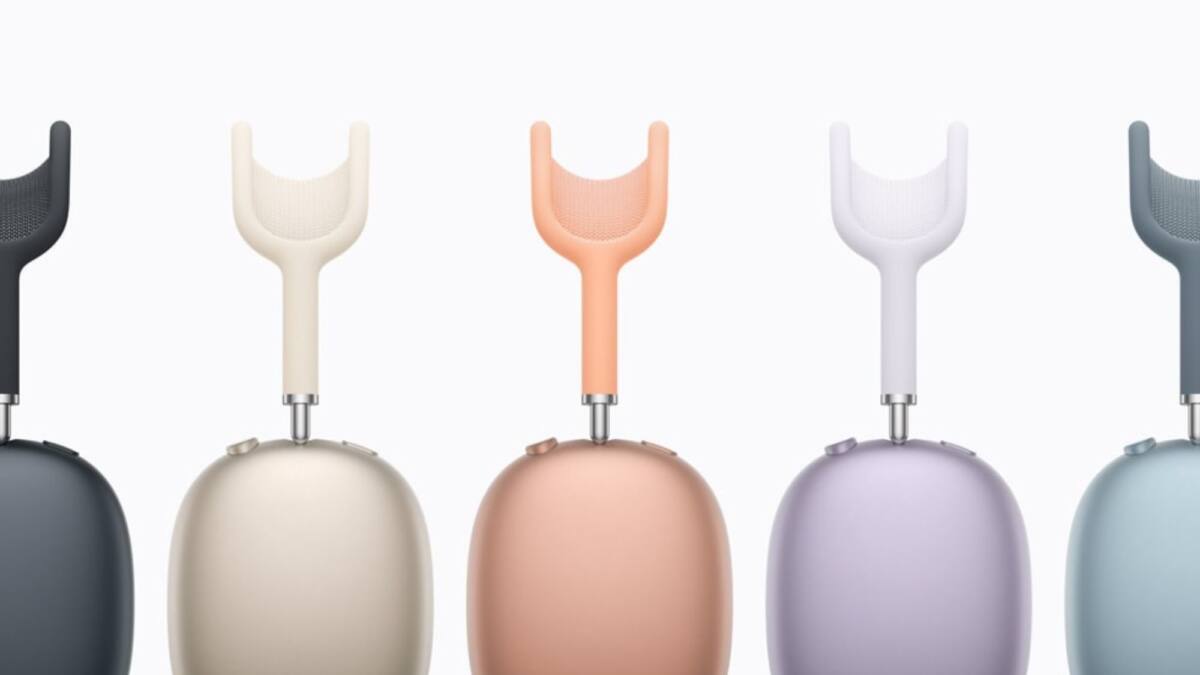
Apple has refreshed the AirPods Max with the H2 chip, stronger noise cancellation, and a pile of features borrowed from the rest of its headphone lineup. That sounds like a proper second act. It is, but only if your complaint list was mostly software. The industrial design, battery life, and some maddeningly stubborn habits are still very much in the room.
The new AirPods Max 2 lean hard on processing rather than reinvention. That is the cleanest way to describe Apple’s play here: improve the listening experience, extend the feature set, and avoid touching the expensive aluminum shell unless absolutely necessary. Competitors have spent the last few years pushing battery life and portability harder, so Apple’s decision to stop short of a real redesign leaves the AirPods Max looking premium and feeling a little conservative.
H2 chip brings the missing AirPods features
The biggest internal change is the jump from dual H1 chips to dual H2 chips, the same silicon used in newer AirPods Pro. That unlocks active noise cancellation that Apple says is up to 1.5 times more effective, plus a more natural transparency mode. Adaptive Audio, Conversation Awareness, personalized volume, loud sound reduction, and live translation all arrive with the update.
That makes the AirPods Max feel less like Apple’s odd one out and more like part of the same family. It also shows how much of modern headphone value now comes from computation, not just drivers and cups. Sony and Bose have been living in that world for years; Apple is just making the Max catch up in its own carefully controlled way.
Lossless audio needs a cable
Apple has finally added lossless audio, but there’s a catch that premium headphones really should not need in 2026: 24-bit, 48kHz playback only works over a wired USB-C connection. Over Bluetooth, the AirPods Max 2 are still stuck with AAC and no higher-bandwidth wireless codec support.
So yes, the headline feature exists. No, it is not the kind of wireless leap audiophiles have been asking for. Apple has been happy to sell spatial audio and ecosystem magic for years, but the company still draws a hard line when it comes to true wireless fidelity. The cable lives on.
- Lossless playback: 24-bit, 48kHz
- Connection required: wired USB-C
- Bluetooth codec support: AAC only
Apple adds controls beyond music playback
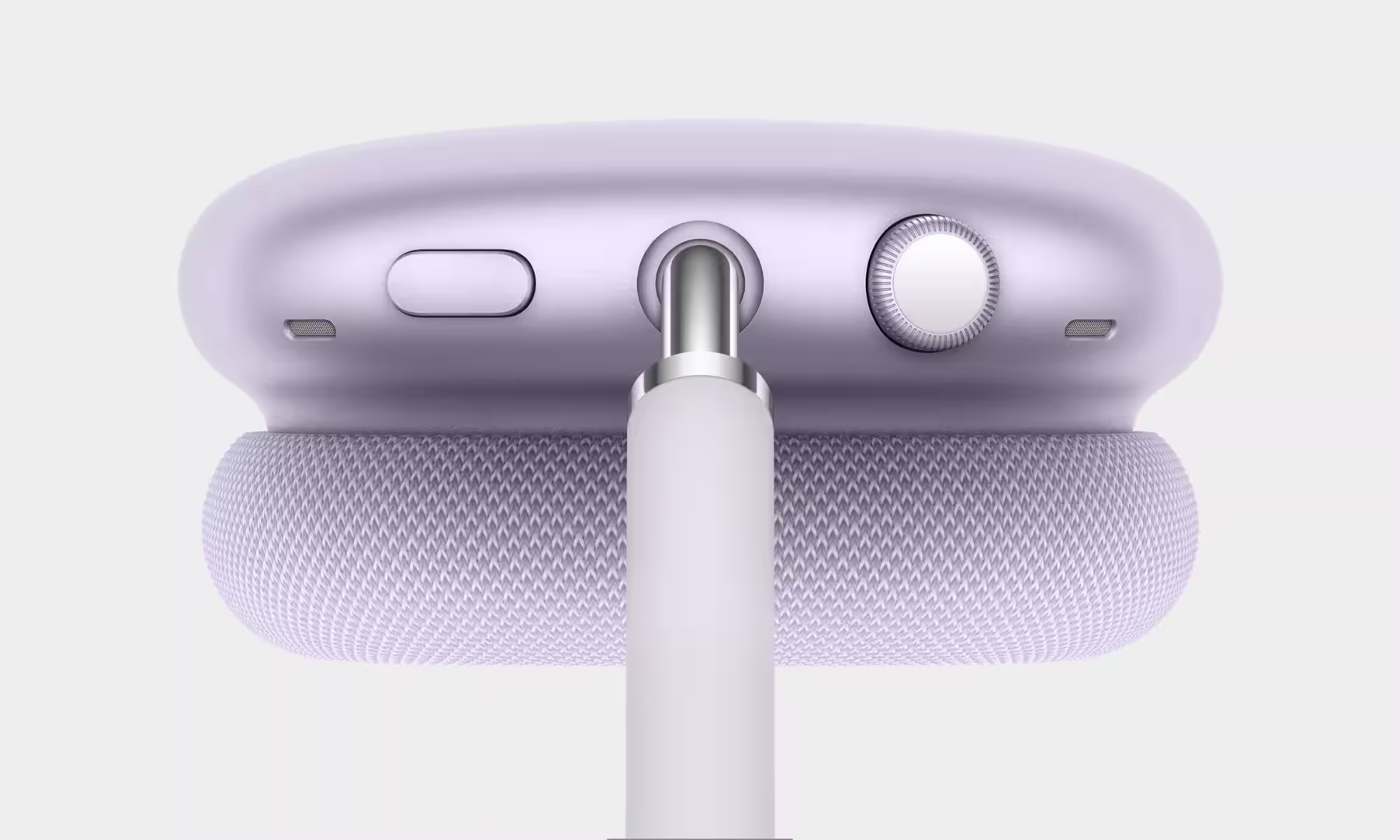
The AirPods Max 2 are not just about better audio. Apple is using the Digital Crown as a remote shutter for the iPhone camera, and voice isolation is meant to improve calls and broader recording use cases. Head gesture controls also arrive, letting users nod or shake their head to respond to Siri.
Some of that sounds clever, and some of it sounds like the sort of thing demo teams love more than normal humans do. Still, it fits Apple’s long-running strategy: make the headphones feel like a control surface for the rest of the ecosystem. That’s useful if you already live in Apple’s world. It is less persuasive if you want headphones that simply disappear into the background and do their job.
The AirPods Max 2 still look a lot like the old model
Here is the part Apple would probably prefer people not linger on: the body is still the same basic design. The AirPods Max 2 keep the metal construction, the non-folding frame, and the Smart Case that mostly exists to switch the headphones into a low-power state. There is still no dedicated power button, so the case remains part of the battery-management ritual.
Battery life is unchanged at around 20 hours, the headphones are still around 386 grams, and there is no official water or dust resistance rating. That is fine if you only ever use them at a desk, less fine if you were hoping for a more travel-friendly flagship. Against rivals that stretch closer to 30 hours or more, Apple’s stamina looks merely acceptable.
- Battery life: around 20 hours
- Weight: around 386 grams
- Design: non-folding metal construction
- Protection: no official water or dust resistance rating
Who should buy the AirPods Max 2
If you wanted Apple to make the AirPods Max smarter, more adaptive, and more in step with the AirPods Pro, this is the update you were waiting for. The H2 chip makes the headphones more capable, and the new processing features should be the most noticeable gains in daily use.
If you wanted a deeper redesign that addressed comfort, portability, and the oddities of the Smart Case, Apple still hasn’t done the hard part. The AirPods Max 2 are better, but they are better in the neat, software-driven way Apple likes to do upgrades. The bigger question now is whether the company thinks this chassis still has enough runway – or whether a truly new pair is being saved for later.