

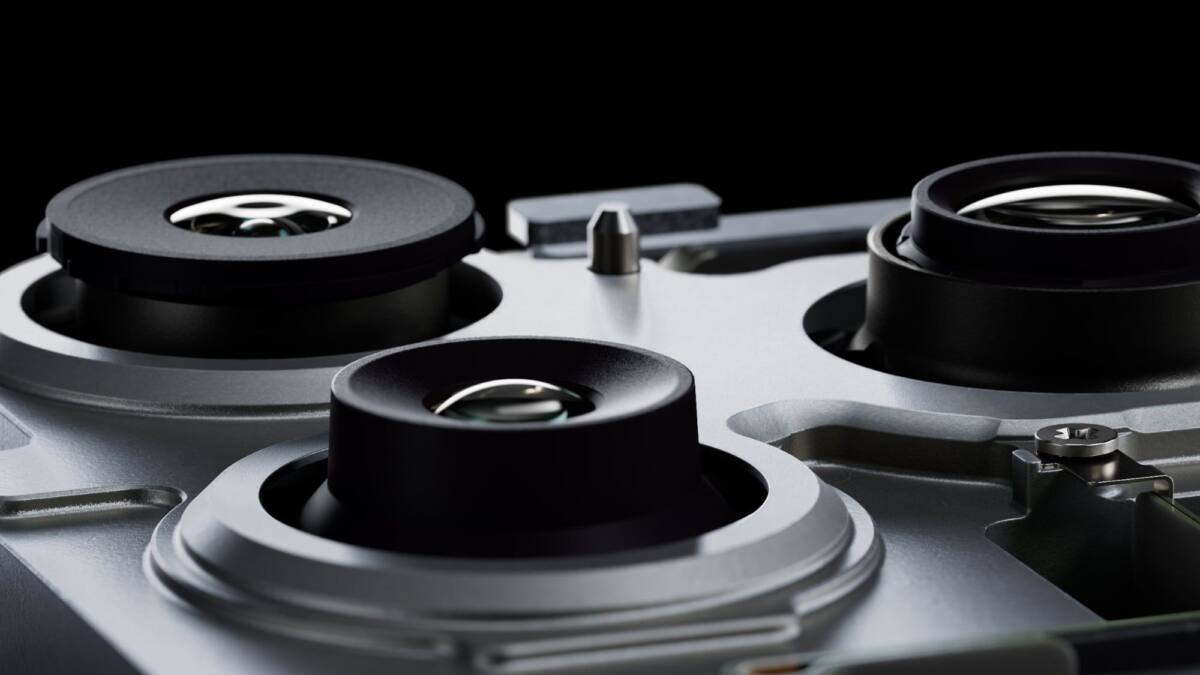
Apple is exploring the possibility of equipping an upcoming iPhone model with a 200-megapixel telephoto camera sensor, potentially launching as soon as next year. This development, revealed by a reliable Chinese leaker known as Digital Chat Station, signals Apple’s push into ultra-high-resolution photography that rivals recent moves by competitors like Samsung and Oppo.
The sensor in question is reportedly a 1/1.2-inch-sized module, closely resembling a component Oppo is gearing up to use on its Find X9 Ultra model soon. Oppo currently offers a 200-megapixel telephoto lens on its Find X9 Pro with a 1/1.56-inch sensor – significantly larger than typical zoom sensors. Oppo’s Ultra variant is expected to push this even further with a 1/1.28-inch sensor, underscoring the trend towards larger, higher-resolution telephoto cameras in flagship smartphones.
Back in January, similar rumors hinted at Apple’s interest in 200-megapixel sensors, but engineering prototypes had yet to surface. While Apple has historically focused on optimizing 48-megapixel sensors, these latest signs suggest the company is seriously testing ultra-high-resolution telephoto camera sensors.
Samsung set a precedent in 2023 by introducing a 200-megapixel rear camera on the Galaxy S23 Ultra, a feature it has continued with subsequent models. For Apple, adopting a 200MP telephoto lens means users could enjoy much sharper and more detailed images, greater cropping flexibility without losing quality, and larger print sizes.
Next year’s launch schedule points to the release of the iPhone 18, with rumors hinting at a split launch where regular models debut earlier in the year and Pro versions arrive around September. This timeline also leaves room for a special 20th-anniversary iPhone, possibly a premium Pro or ultra-premium model that could debut this advanced camera technology alongside other flagship features.
As smartphone manufacturers continue to push sensor sizes and resolutions upward, Apple’s move to test a 200MP telephoto camera marks a notable shift in its long-standing approach to balancing sensor quality with computational photography. Whether this sensor makes it to mass production or remains a testbed will be one of the more fascinating elements to watch in next year’s iPhone 18 refresh cycle.