

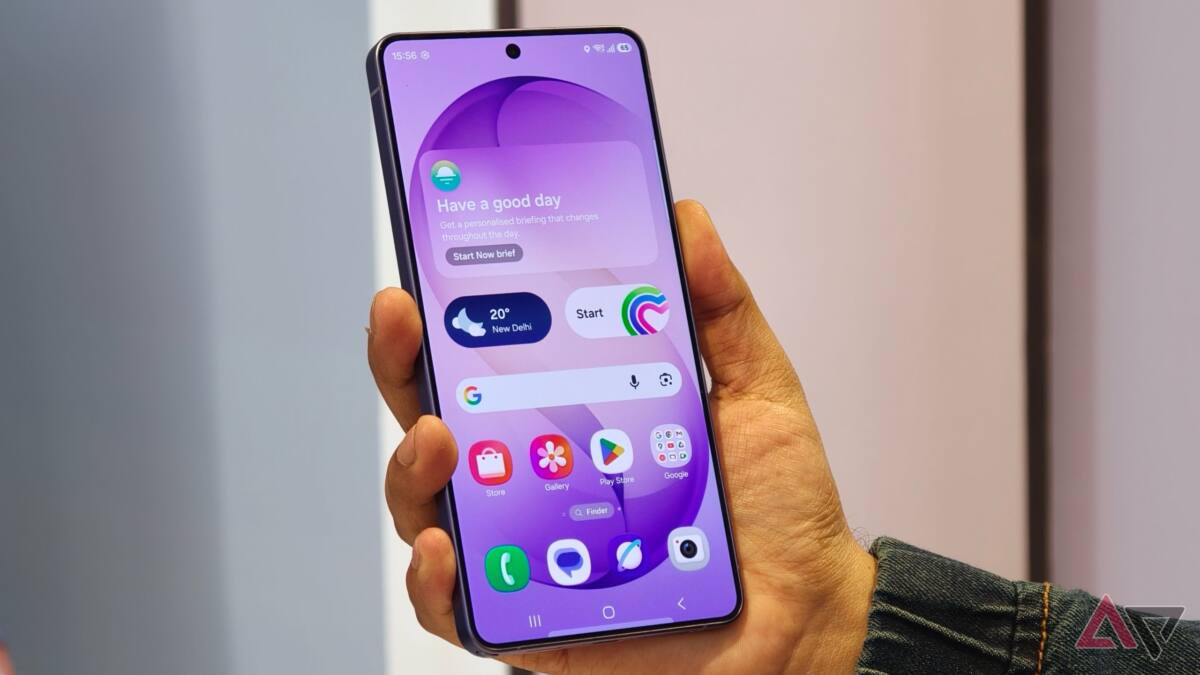
Samsung’s Galaxy S26 series has just gained a handy AI upgrade: the ability to help users order food and hail rides using popular apps through Google’s Gemini digital assistant. This feature, already available on Pixel devices, now arrives on Galaxy phones right at launch, aiming to streamline everyday tasks with a simple voice command.
Galaxy S26 owners can ask Gemini to handle the steps of ordering meals or requesting rides from a shortlist of supported services, including Uber, Lyft, DoorDash, Grubhub, Uber Eats, and Starbucks. Rather than placing the order autonomously, Gemini will complete the input and guide users to a final confirmation screen, allowing them to review details and officially submit the request. While the convenience is clear, this approach keeps the user in control, preventing any accidental orders.
This AI-driven interaction highlights how voice assistants are becoming increasingly useful beyond simple queries and reminders. Integrating Gemini’s smart capabilities with apps that people use daily turns the phone into a mini concierge that cuts through the friction of multiple app navigation. Although the current selection of supported services is limited, these choices cover a wide swath of popular food delivery and ride-hailing providers in the United States, suggesting broad appeal.
AI-powered food ordering with Google Gemini on Galaxy S26
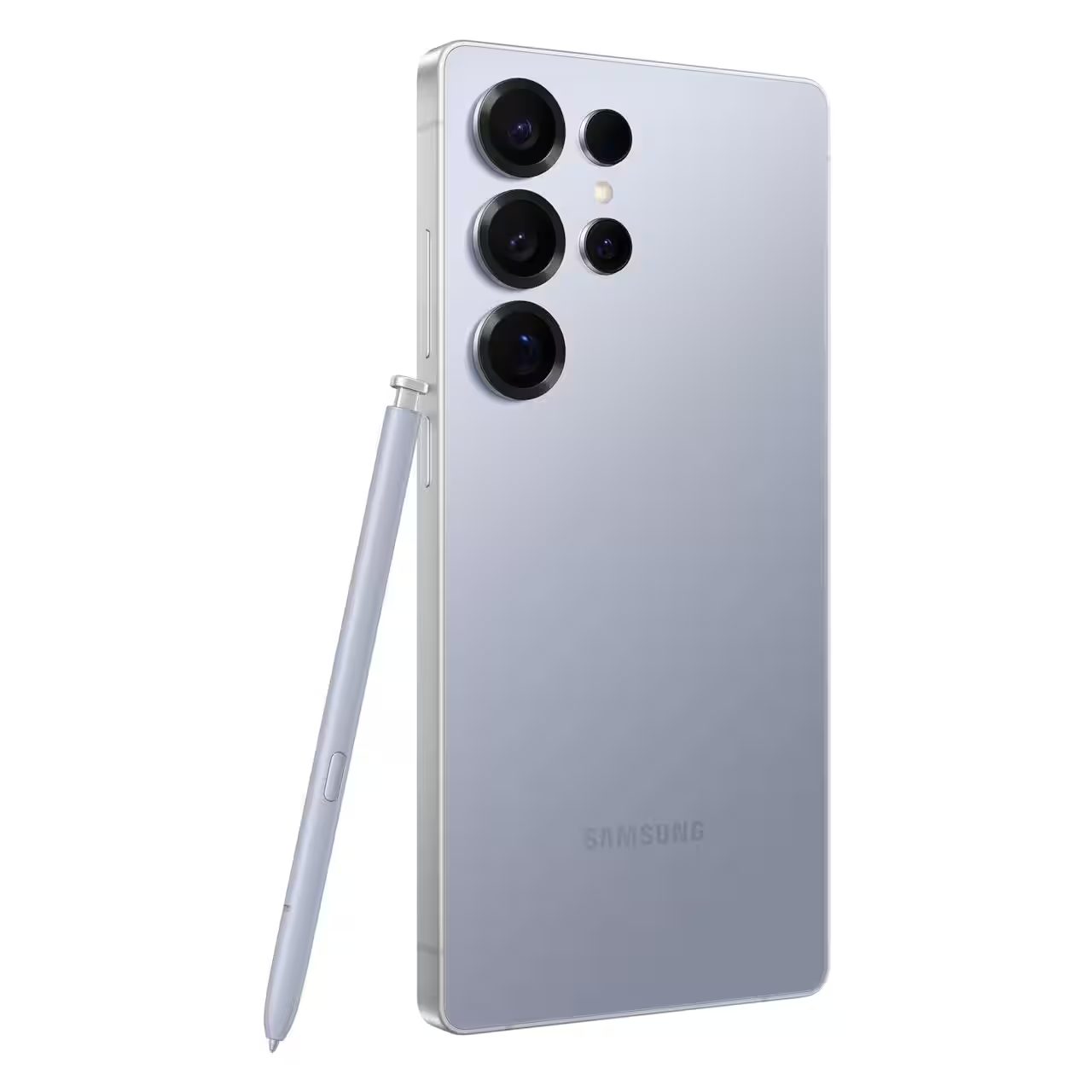
Samsung’s Galaxy S26 Ultra itself is an evolutionary update rather than a radical redesign, featuring the Snapdragon 8 Elite Gen 5 chipset, up to 16GB of RAM, and a 5,000mAh battery. It also introduces a ”Privacy Display” that conceals on-screen content from side glances-a smart move for users concerned about privacy in public spaces. The phone is thinner and lighter than its predecessor, making these tweaks a solid package for those seeking refined hardware matched with smarter software.
Galaxy S26 Ultra hardware upgrades and privacy features
The ability to order food or book rides through voice commands reflects the growing role of AI in everyday mobile tasks, leaning on natural language processing advancements. Samsung and Google’s collaboration on Gemini could signal a future where phones anticipate user needs more proactively, though the current semi-manual confirmation step keeps potential missteps in check.