Making a playlist still takes too much time for most people. Apple Music’s response: let a machine do it in seconds. In its 5.2 beta for Android – timed to land for everyone alongside iOS 26.4 – Apple has added an AI‑driven ”Playlist Playground,” a bolder album view, and a small but telling concerts card on artist pages.
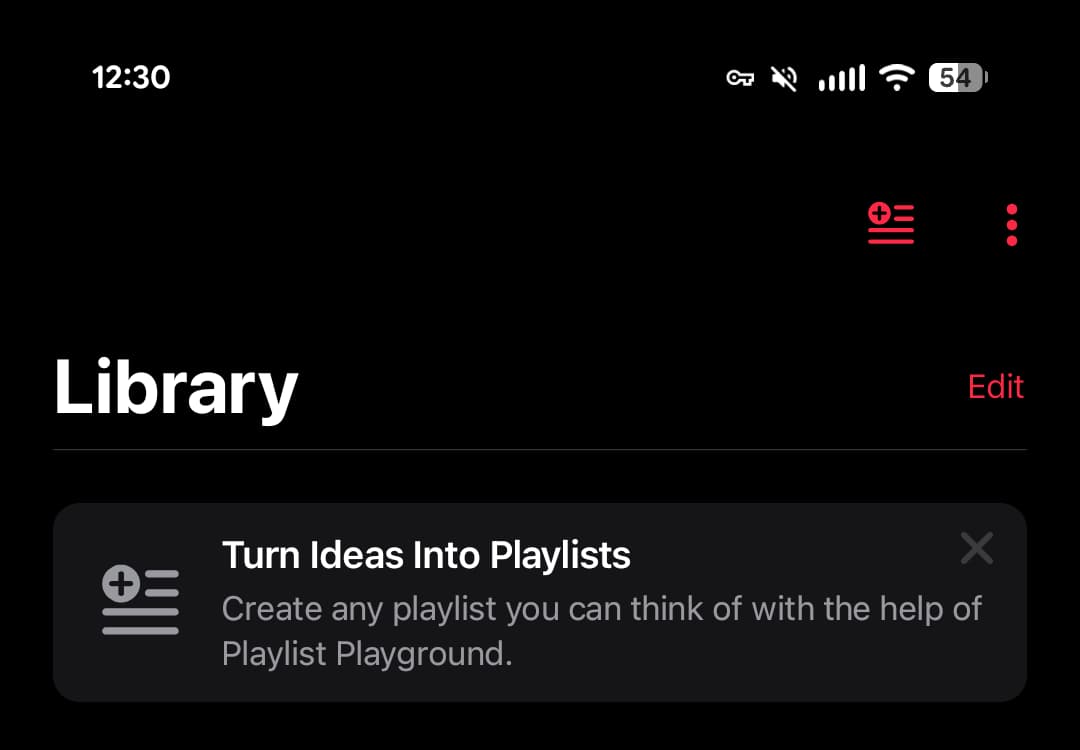
The headline is Playlist Playground. It lives in the Library tab and offers a split interface: a top half for quick, manual playlist creation and a bottom sheet where you type a prompt. Apple supplies ”New Playlist Ideas” and suggested tracks, and the tool promises to ”create a new playlist with just an idea in seconds.”
Also new: albums and playlists get a full‑page artwork treatment that stretches the themed background beneath the track list. Play is now centered, Shuffle is a circular button on the left rather than a pill, Download sits opposite it, and share lives in the corner – small layout changes that make the app easier to use one‑handed. On artist pages a new ”Upcoming Concerts” badge appears, with an ”All Upcoming Concerts” section lower down.
Apple Music 5.2 is in beta on Android now; the company says the stable release will coincide with iOS 26.4. Android users can join the testing program through Google Play’s beta testing flow or the Play Store listing.
Why this matters: users are tired of hunting for the right mix. Spotify, YouTube Music and others have been layering AI and algorithmic tools into curation for years – Spotify’s AI ”DJ” and mood mixes are the most visible examples. Apple has largely focused on editorial playlists and human curation; Playlist Playground shifts some of that work back to software, and it does so across platforms by bringing the feature to Android rather than keeping it iOS‑exclusive.
That cross‑platform move is strategic. Apple benefits more from engagement than from device sales when it comes to services: better playlist tools keep subscribers inside Apple Music and make the service feel modern on Android phones too. The UI tweaks hint at a similar goal – smoother one‑handed playback reduces friction, which is oddly important when the competition measures time spent and skip rates in microseconds.
But a few questions remain unanswered. Apple hasn’t said whether Playlist Playground runs locally on devices, uses on‑device models, or relies on server‑side processing. That matters for both speed and privacy: users will want to know whether their prompts or listening history are sent to remote models and how long Apple keeps that data. It also matters for cost and quality – server models can be heavier and more capable, but they’re also more expensive to run.
There’s also a taste risk. Generative playlist tools can produce oddly mixed results or over‑rely on obvious hits, leading to bland, predictable mixes. The real test will be whether Playground can deliver playlists that feel cohesive and personal rather than safe and generic. If it does, Apple has a tool to turn casual listeners into engaged subscribers; if it doesn’t, it will join a string of novelty features that fade into the background.
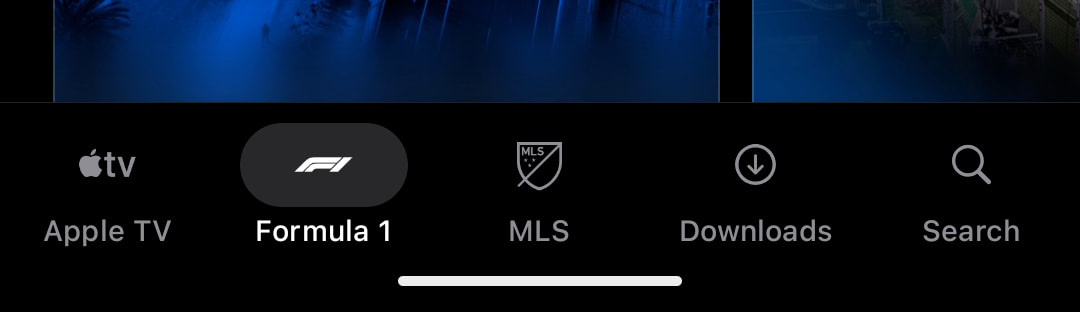
On the broader product front, Apple also nudged its Android‑side media apps: the Apple TV app on Android has added a Formula 1 tab to its bottom bar, joining the previously added MLS link. It’s a reminder that Apple treats Android as a services platform now – not a second‑class citizen – and that media features are being polished on both ecosystems.
Practical takeaway: if you’re an Apple Music subscriber on Android, try the beta when it arrives. Expect a faster way to generate playlists and a snackable redesign that makes albums feel larger and more immediate. Expect, too, the usual post‑launch churn: features will be refined based on engagement data, and privacy details will surface as people test prompts and share results on social media.
My read: Playlist Playground is overdue and sensible, but it’s not automatic victory. The feature lets Apple compete on AI curation where competitors already have ground. Success will depend on how well the system balances surprise with cohesion, how transparently Apple explains the tech and data flow, and whether these playlists keep people listening for longer. If Apple pulls those threads together, the update will be a subtle – and effective – nudge toward more listening, across iPhone and Android alike.