

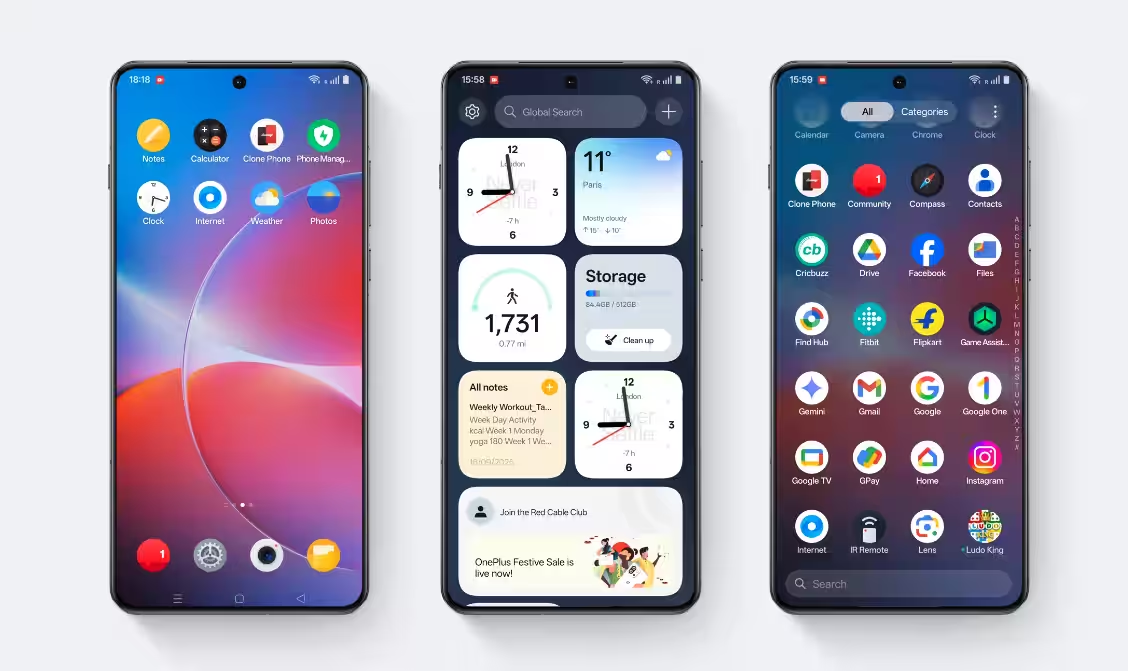
Phone software doesn’t need another gimmick. It needs to stop forgetting what you were doing three seconds ago.
That’s the impulse behind recent leaks about ColorOS 17 and OxygenOS 17. Instead of flashy new apps or bloatware, the early reports point to a set of under-the-hood improvements: ”refine CPU resource and memory management,” better background multitasking through ”improved app retention,” tweaks to garbage collection to lower idle workload, smoother system animations and reduced UI frame drops, and cleaner camera zoom transitions for stills and video. These are the kinds of fixes that change how your phone feels every day, not what it can do once.
Why this matters: perceived performance – things like how fast apps open, whether a game stutters when you switch to messages, or whether the camera hops when you pinch to zoom – often matters more to users than headline specs. The leak suggests both skins aim to reduce micro-stutters, keep apps alive longer in the background, and make day‑to‑day interactions feel more consistent. That’s a small step for a single release, but a meaningful one for long-term usability.
What’s changing, in plain terms
From the leaks we can take away a few concrete priorities OEMs are chasing with their Android 17-based updates:
– System performance optimization via smarter CPU and memory allocation to speed app launches and reduce micro-stutters.
– Improved app retention for better background multitasking so frequently used apps reload less often.
– Garbage collection refinements intended to lower unnecessary work when the device is idle, which should smooth out power use and consistency.
– Smoother system animations and reduced UI frame drops to improve perceived fluidity across the interface.
– Camera interface polish, specifically less jitter and more natural zoom transitions for both photos and video.
A pragmatic direction, not a flashy one
This is a sensible move. Over the past few years the arms race in mobile has shifted: camera megapixels and charging speeds still headline, but what separates a pleasant phone from a frustrating one is software polish. Companies that once filled skin updates with new widgets and bundled apps are now being pushed to optimize core behaviors that users notice hourly.
There’s precedent for this turning into a marketing push: Samsung and Google have often emphasized smoothness and display frame handling as selling points for recent Pixel and Galaxy models. What’s different here is the emphasis on memory and garbage collection tweaks at the OS level – the kind of low-level work that only shows its value over weeks and months of daily use, not in a launch demo.
Who gains and who loses
Winners: users. If these optimizations ship and are tuned well, midrange phones with less RAM will feel less brittle, flagships will hold their smoothness longer as caches and app sets grow, and photographers will enjoy fewer jarring zoom jumps when capturing moments.
Losers: anyone expecting a big, visible feature drop. These are refinements, not headlining novelties. Also, gains are only meaningful if the updates reach older models. OEMs have historically been inconsistent with rollouts; a neat optimization in a leaked build means little for owners of phones that never get the Android 17 update.
What history suggests
This fits a longer arc. After years of feature-heavy skin updates, many vendors have quietly shifted to improving system-level efficiency because it reduces churn in support forums and increases product longevity. OnePlus’s software identity merged closer to Oppo’s after their teams integrated, and the result has been a trade-off: fewer standalone experiments but more engineering resource to push core polish across both brands.
Past updates that leaned into low-level optimizations sometimes underwhelmed in marketing terms but delivered better user sentiment over time. The risk is that these fixes are invisible until you live with them, and that makes them harder to monetize or to turn into viral product narratives.
My take and what to watch for
Good on them for focusing on day‑to‑day polish. But two questions remain: will these changes actually reach a wide range of devices, and will OEMs maintain the gains across subsequent updates? Incremental OS-level tweaks can be undone by aggressive app behavior, third‑party services, or poor rollout testing.
Watch for three signals when these builds start appearing in public betas or stable channels: real-world battery consistency (not headline numbers), fewer background app reloads in multi‑app workflows, and smoother camera zoom when recording motion. If those are present, these leaks will have been more than idle hope.
In short: ColorOS 17 and OxygenOS 17 look like the kind of updates that reward patience. They won’t headline a product launch, but they could make phones feel newer for longer – provided manufacturers actually ship them broadly and keep polishing afterward.