

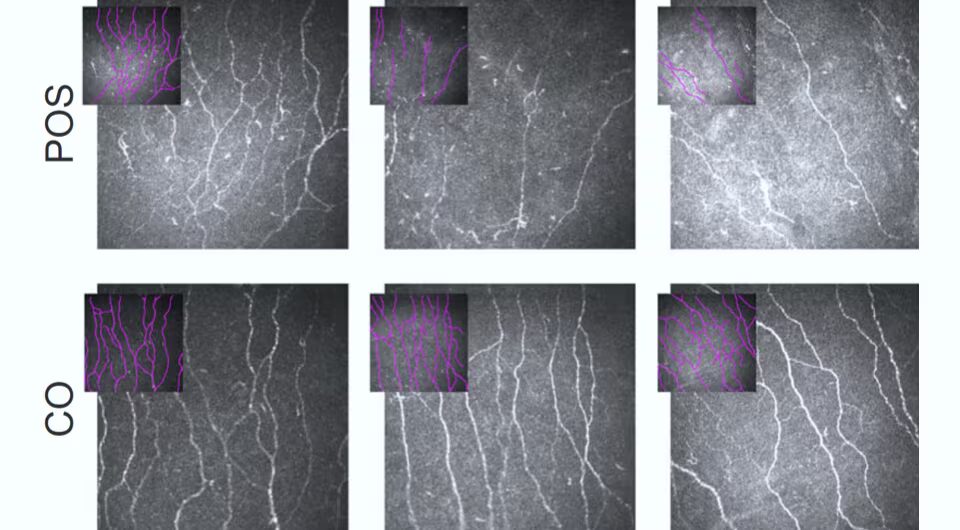
A Swedish study has uncovered persistent eye abnormalities in people months after recovering from COVID-19. While standard eye exams often showed little, specialized tests revealed subtle but measurable issues-such as difficulty focusing up close, mild strabismus, slower pupil reflexes, and signs of corneal nerve damage. Published in Nature Communications, the research proposes a diagnostic method that identifies post-COVID eye problems with up to 91% accuracy.
Researchers from Linköping University examined 100 patients who reported long-lasting eye symptoms following COVID-19 and compared them with 32 recovered individuals without ocular complaints. In 68% of cases, symptoms appeared between a week and four months after infection. The most common issues included blurred vision, light sensitivity, eye pain, fatigue, and trouble reading from paper or screens.
Traditional eye tests often missed these lingering problems. Visual acuity, refraction, corneal thickness, and tear film quality remained within normal ranges. However, in-depth exams showed reduced density of the corneal nerve plexus, increased dendritic cell counts, larger pupil size, and delayed light response. Essentially, the eye appears to suffer from a combination of neuroinflammation and autonomic nervous system disruption following COVID-19.
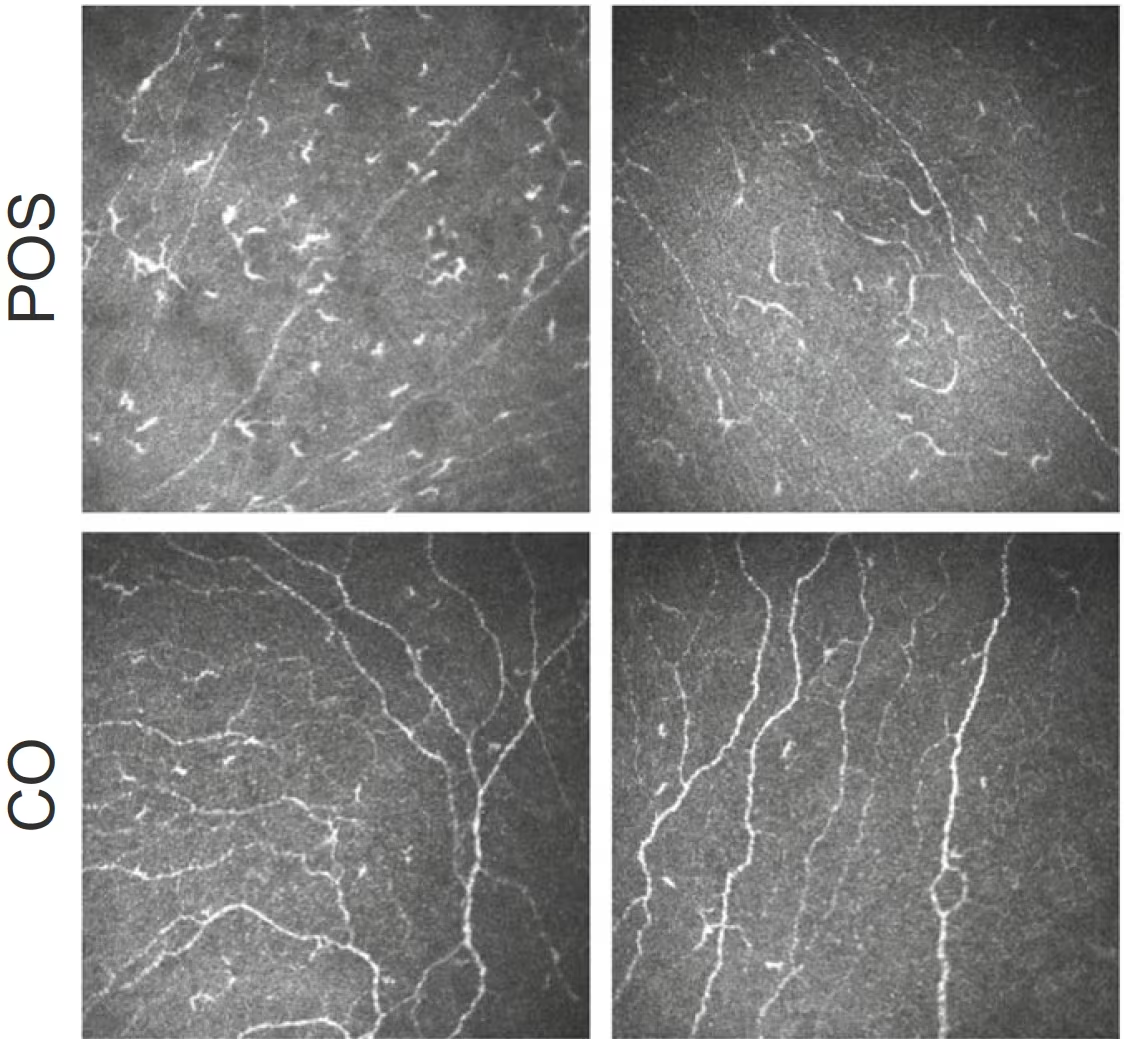
Diving deeper, the team analyzed tear fluid and identified differences in several proteins linked to inflammation and nerve function. A diagnostic model based on five clinical parameters detected post-COVID eye damage with 77% accuracy. When six protein markers from tears were added, that accuracy increased to 91%. This offers clinicians a valuable diagnostic tool for a condition that has so far lacked clear criteria.
These eye complications are not rare. The researchers estimate that 35% of people with severe COVID-19 or long COVID experience ophthalmic symptoms. For context, the World Health Organization estimates that long COVID affects about 6% of all COVID-19 cases worldwide. This suggests a significant subset of patients experience persistent eye issues that traditional eye exams often miss.
Unlike more visible or common long COVID symptoms, these subtle eye problems could go undetected for months or years. The next step is validating these protein markers in larger populations and following patients over time to determine whether these eye changes persist or resolve.