

A recent survey of 1,000 Russian smartphone users reveals a striking anxiety: 48.7% fear being stranded in an unfamiliar city with a dead phone battery just as much-or even more-than being without money. Conducted by smartphone brand realme in June 2026, the study examines battery life concerns and daily charging habits among users.
Current battery capacities fall short of Russian users’ expectations
The survey shows a clear gap between the batteries people currently have and what they want. Today, 63.7% of respondents use phones with batteries under 6,000 mAh: 30.4% carry devices with 5,000-5,500 mAh, 15.6% between 4,000-4,999 mAh, and 9% have less than 4,000 mAh. Only 18.9% own phones with 6,000 mAh or more, while 17.4% couldn’t specify their battery size.
Removing the compromises in thickness, weight, and price, users want significantly larger batteries. When asked what battery capacity would be comfortable if the phone’s size and cost stayed the same, 59.3% chose 7,000 mAh or higher: 20% opted for about 7,000 mAh, 15.8% for around 8,000 mAh, and 23.5% preferred 8,000 mAh or more. Only 17% are satisfied with their current battery capacity.
Making it through the day doesn’t eliminate battery anxiety
While many phones technically last a full day, only 22.3% of users report having a comfortable battery reserve by evening. The rest either end the day nearly drained, deliberately conserve battery, or need to recharge during the day.
This explains why 46.6% plug in their phones to recharge twice or more daily. For many, ”lasting till evening” means constantly monitoring battery percentage rather than having peace of mind.
Power banks remain an essential accessory in Russia
Dependence on external charging is now routine: 71% of respondents use power banks in some capacity. About 12.2% carry one daily, 31.4% bring it on days when away from home for long periods, and 27.3% have one but rarely use it. Only 29.1% avoid power banks entirely.
Battery anxiety kicks in early: 30.7% start looking for a charger when battery hits 10-19%, 27.8% at 20-29%, and 10.6% even at 30-49%. Additionally, 67% at least sometimes plug in ”just in case” while their battery is still sufficient-20.4% always do this, and 46.6% do it occasionally.
Notably, nearly half (48.7%) say a dead phone without charging options in a strange city scares them as much or more than being without money, which 51.3% found more frightening.
Battery degradation forces users to build in extra capacity
Battery wear is a looming issue: 67.3% of users experienced reduced battery life due to deterioration within three years of ownership. For 11.4%, battery life dropped noticeably in the first year; 33.7% saw this after 1-2 years, and 22.2% after 2-3 years.
Handling worn batteries is expensive. When facing significant degradation, 45.2% buy a new phone outright, while only 21.4% opt for a battery replacement service. This suggests real benefits in choosing phones with larger batteries initially, as a 7,000-8,000 mAh battery will remain usable longer-maintaining the effective life of today’s 5,500-6,500 mAh phones over multiple years.
Top activities that drain smartphone batteries fastest
Users identify video watching and streaming (53.1%) as the biggest battery drain, followed closely by social media and messaging apps at 49.7%. Other major culprits include gaming (35.4%), always-on VPNs (25.9%), background apps and notifications (23.9%), navigation and maps (23.5%), high screen brightness (20.1%), and photo and video shooting (15.5%).
Daily heavy usage patterns now stress batteries more than previous generations were built to handle.
Battery capacity influences smartphone purchase decisions
Battery size has jumped from a minor detail to a major factor when buying a smartphone. On a 5-point scale measuring impact on purchase decisions, 47.7% rated battery capacity a 4 or 5, with 30.1% saying it strongly influences their choice and 17.6% naming it a key criterion. Another 40.6% said it has a moderate effect, while only 2.9% completely disregard battery capacity.
realme P4 series focuses on extended battery life
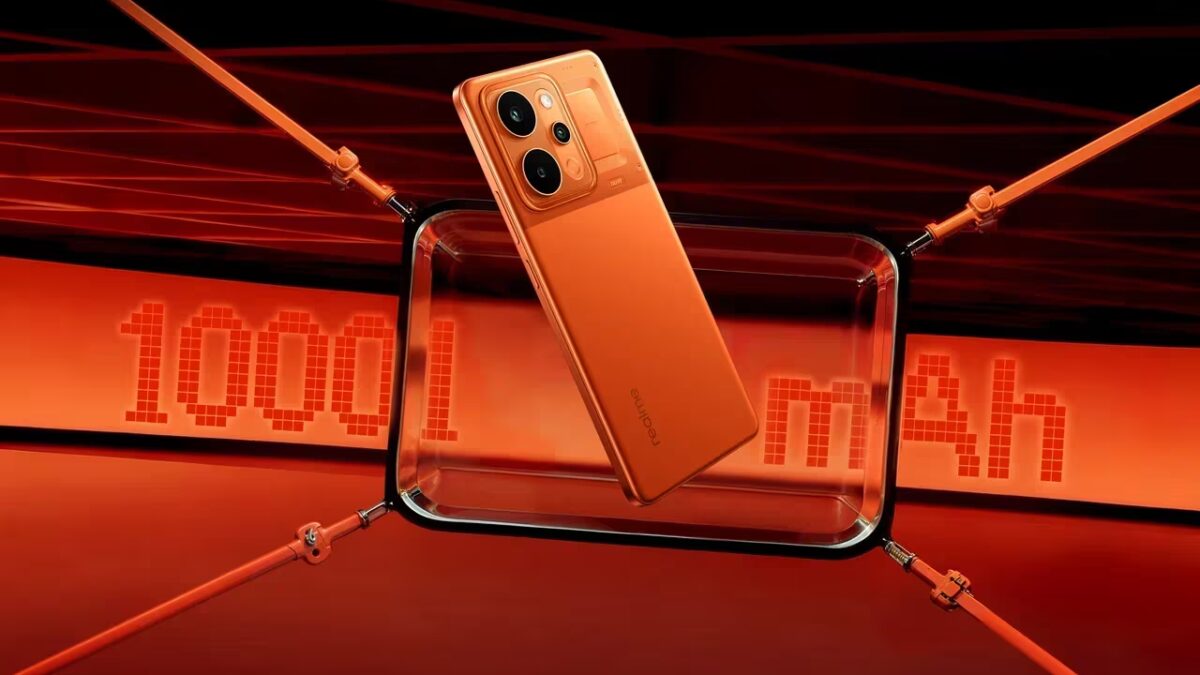
The survey was conducted ahead of the Russia launch of realme’s P4 series, designed around extended battery life. The P4 and P4 Lite feature silicon-carbon (Si-C) batteries of 7,000 mAh, while the P4x packs an 8,000 mAh battery. realme has made the full data publicly available for media and analysts.
Founded in 2018 by Sky Li, realme has quickly risen among global smartphone brands. It broke into the top six international smartphone suppliers by Q2 2021, boasting 160 million users worldwide. By Q4 2023, realme shipped over 200 million smartphones-and became the fifth-fastest brand ever to reach this milestone. realme operates across more than 60 markets, including China, India, Russia, Southeast Asia, Europe, and Africa, focusing heavily on young consumers with its motto Make it real. More details are at realme.com/ru.
In comparison, Western markets like the US and Europe see flagship phones often packing 4,000-5,000 mAh batteries, with some exceptions pushing higher (Samsung Galaxy S series), but trade-offs in weight and size remain. realme’s focus on 7,000+mAh batteries taps into real frustration among users craving longer battery life without sacrificing ergonomics or cost.
As smartphone usage patterns intensify and devices age, battery capacity will become even more critical. Whether brands like realme can deliver bigger batteries without bulk or cost escalations will shape consumer choices-especially in markets like Russia where anxiety about battery life rivals fears over finances. The next few years could see a surge in innovation targeting higher-capacity, long-lasting batteries embedded in mainstream devices.