

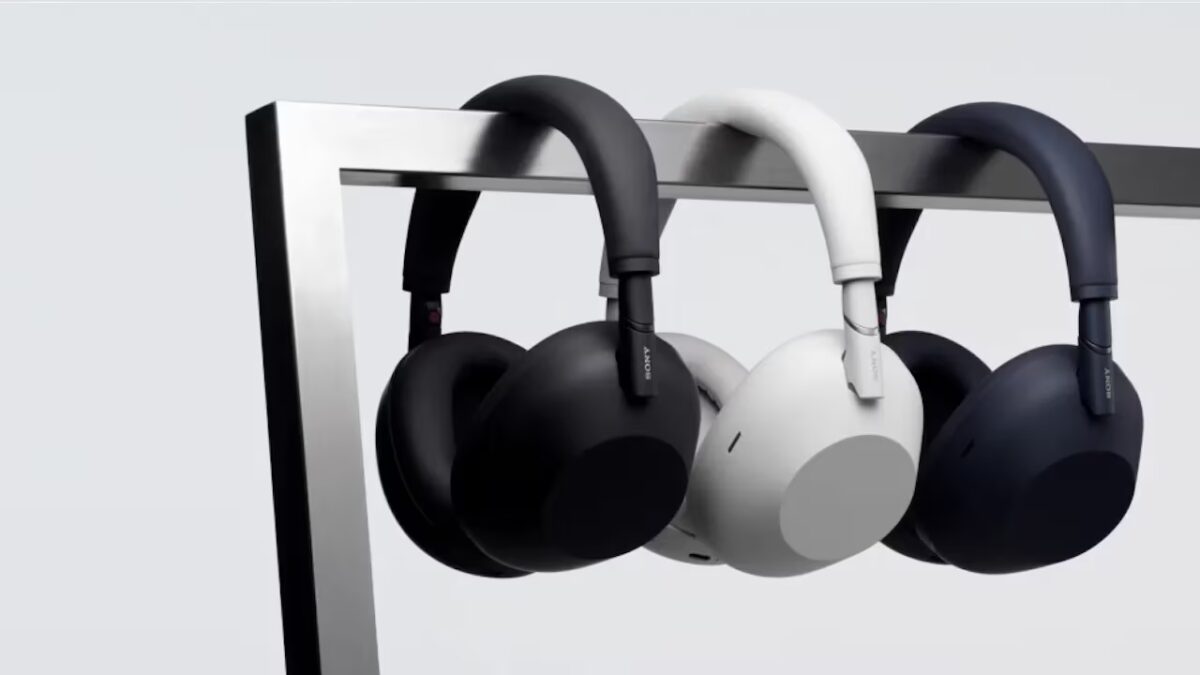
Sony headphones have found an unexpected new use. Developer Nicholas Slattery released an open-source app called Sony Head Tracker that turns compatible Sony headphone models into free head-tracking devices for PC games. Simply tilt your head, and the in-game camera follows your movement. This feature currently works in flight simulators, racing sims, and any game supporting OpenTrack.
This isn’t a replacement for a full VR headset, which provides immersive 6DoF tracking and wraparound visuals. Your screen remains fixed in front of you instead of surrounding your view. But for sim racing and flight sim enthusiasts, Sony Head Tracker offers a convenient middle ground between a static camera and an expensive dedicated 6DoF head-tracking setup. If the open-source community embraces the project, the list of supported headphone models and compatible games could grow rapidly.
Sony’s headphones with built-in head sensors typically use motion detection for features like wear detection and ambient sound control. Leveraging these sensors for game head tracking gives players a novel, budget-friendly way to add natural camera movement without needing extra hardware like TrackIR or a VR system.
OpenTrack is an open-source head-tracking protocol widely supported in simulation games. It translates head orientation data from various sources into camera movement within games. By tapping into Sony headphones’ built-in sensors, the Sony Head Tracker app expands accessibility to this technology for gamers who don’t want to invest hundreds of dollars in dedicated trackers.
Flight and racing simulators have long embraced head tracking to improve immersion and situational awareness. Solutions like TrackIR or VR headsets offer precise tracking, but often at significant cost. This software hack using existing hardware could change how gamers approach head tracking-making it cheaper and easier to lean around corners or check behind in a cockpit.
We’ll be watching closely how quickly the community adopts Sony Head Tracker and whether other headphone makers follow suit. This innovation might trigger a wave of creative hacks repurposing consumer audio gear as gaming peripherals. The next step could be 3D positional tracking on your favorite wireless headphone model-if developers can crack the code.