

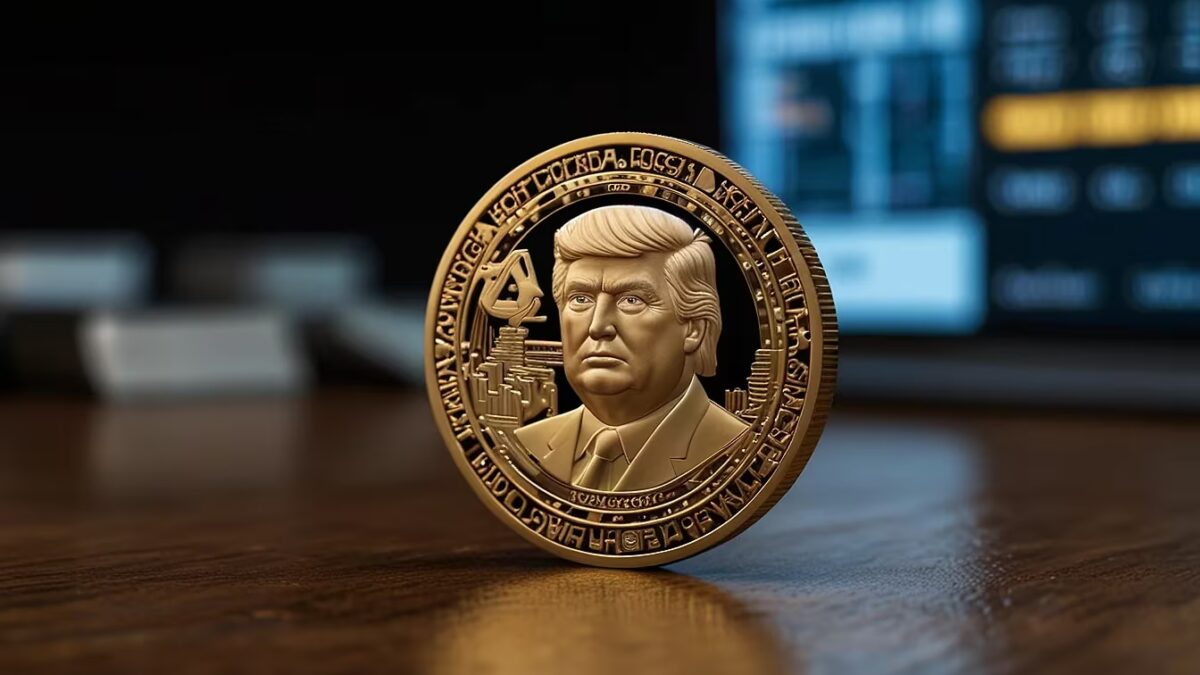
Nearly 1 million crypto wallets that bought the Trump meme coin found themselves underwater by the end of June, collectively racking up $3.81 billion in losses, according to analytics firm Nansen and reported by The New York Times. Meanwhile, Donald Trump personally earned $636 million from the project-almost three times the net profit of all buyers combined. For meme coins, such volatility isn’t unusual, but the stark gap between the issuer’s gains and investor losses is striking.
Nansen identified 988,905 unprofitable wallets, making up around two-thirds of all participants in the token. This count includes both realized losses and the unrealized (”paper”) losses of holders banking on a price rebound. On the flip side, fewer than 500,000 wallets have net gains totaling $4.04 billion-mostly early buyers who scooped up tokens within the first hours of trading at under $1 each.
Overall, when summing all 1.48 million holders, the combined net profit across the community is only $236 million. By contrast, the U.S. president’s financial disclosures show $636 million in income from the coin passing as royalties through CIC Digital LLC. In other words, the person whose name brands the coin earned nearly triple the profit of every buyer combined after offsetting wins and losses.
The coin’s price collapse isn’t a normal market correction; it’s more like the slow deflation of a hype bubble. Since peaking at $75.35 in January 2025, Trump coin has crashed about 97%, trading near $1.76 by late June. Market cap shrank from roughly $15 billion to $425 million in that span. For comparison, established meme coins like Dogecoin and Shiba Inu still command multi-billion-dollar valuations despite their own sharp drops. Trump coin has collapsed into an entirely different league.
Trump coin crash timeline and price performance
Launched in January 2025 amid political branding hype, media noise, and standard meme coin FOMO (Fear of Missing Out), Trump coin rode a wave of attention rather than any underlying technology or product value. Meme coins typically sell narratives, not fundamentals. Early momentum was explosive: liquidity flooded in, prices surged, and the market eagerly embraced the ”coin of the moment” story.
The pattern that followed is all too familiar. Early buyers pocket big gains, while people joining later often see prices fall back to or below their entry points. Nansen’s data confirms this: profits concentrated among early investors, while the majority of later entrants faced losses as the rally reversed.
A conflict of interest stirred extra controversy. Trump actively promoted the token on his platform Truth Social, urging followers to buy it, while simultaneously collecting hundreds of millions in royalties from the project. One investor, crypto trader Nicholas Pinto, told The New York Times he lost about half of his $500,000 investment and argued that Trump’s political influence and audience trust fueled demand.
The White House dismissed the criticism. Press secretary Anna Kelly told The New York Times Trump ”made the US a global crypto capital” and that the administration acts in citizens’ interests. A World Liberty project representative blamed the drop on the overall market downturn and noted no one controls token price swings. This is true to an extent-meme coins can lose tens of percent within days without any news.
What sets Trump coin apart is its political angle, making its collapse more than just another crypto failure. In 2024 and 2025, tokens linked to celebrities and politicians-ranging from influencer coins to Argentina’s scandal-ridden LIBRA project-also faced setbacks and investigations. Against this backdrop, Trump coin emerges as the loudest example of how meme coins become vehicles funneling money from latecomers to early speculators and brand owners.
Another troubling detail: the $3.81 billion loss isn’t all realized. Much of it remains trapped in investor wallets after a 97% price plunge. This typical meme coin trap leaves holders hoping for a rebound while liquidity fades and the project clings to memories of its January peak.
For the US crypto sector, the Trump coin saga is a reputational test. Since Trump’s return to politics, the White House has adopted a more crypto-friendly stance, and regulators have eased pressure on parts of the industry. Yet a politically branded meme coin causing billions in retail investor losses ensures the debate about politicians’ role in crypto won’t fade anytime soon. The coming months could prove decisive-either signifying the death of these political tokens or sparking legal consequences that reshape the space.