

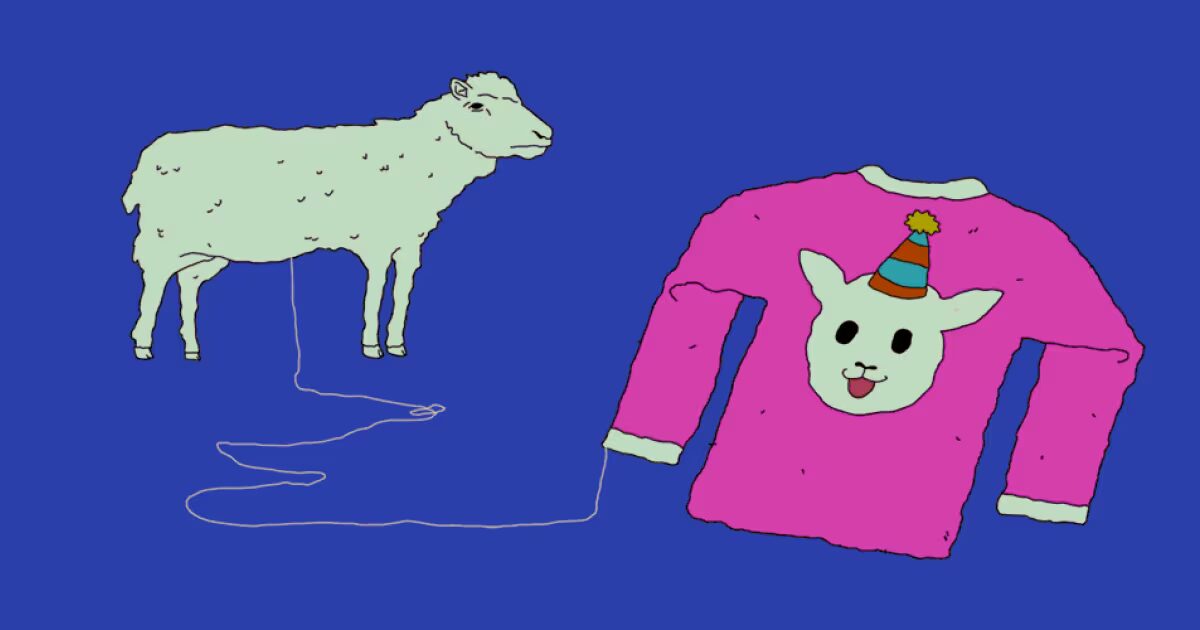
July 5 marked 30 years since the birth of Dolly the sheep, the first mammal cloned from an adult cell. Her textbook photo has become an icon of scientific triumph, but behind it lies a costly and painstaking experiment: for every Dolly, scientists failed hundreds of times. That breakthrough launched three decades of cloning research that have reshaped developmental biology, regenerative medicine, and the way we engineer genetically modified animals.
The cloning technique Dolly’s team used-somatic cell nuclear transfer-was invented long before her. In 1952, Robert Briggs and Thomas King transplanted a nucleus from one frog into another’s egg cell, producing tadpoles. For decades, biologists believed that mammal cloning was far harder, as adult cells differ fundamentally from embryo nuclei used in those early experiments.
The Roslin Institute team shattered those assumptions in the mid-1990s. Starting with adult sheep epithelial cells, they generated several clones, culminating in Dolly-the first to prove that a mature cell still holds the full genome and can regenerate an entire organism if its nucleus is ”reprogrammed” correctly.
Getting Dolly took a brutal toll. In the initial experiments, researchers performed 834 nuclear transfers to produce just eight cloned lambs, and 277 attempts for Dolly alone. Many embryos died before implantation; pregnancies were often terminated early, and some clones died shortly after birth. It’s a stark reminder that what looks like a scientific milestone on paper often masks a grim slog of trial and error.
Why cloning doesn’t produce perfect copies
Almost immediately after Dolly’s birth, concern arose: since Dolly came from a six-year-old ewe’s cell, was she effectively ”old” at birth? Those fears seemed validated by Dolly’s health troubles in the late 1990s-shortened telomeres, osteoarthritis, and ultimately euthanasia in 2003 due to a lung disease. The narrative spread that clones age faster.
Yet the full picture is more nuanced. Other clones derived from the same cell line lived normal lifespans without signs of premature aging. Scientists concluded biological age in clones depends largely on how completely the donor nucleus is reprogrammed after transfer-not simply the donor’s chronological age.
Practical applications of cloning beyond identical copies
The real promise of cloning from the start wasn’t mass-producing identical animals but accelerating the introduction of desired genetic traits. Research labs edit cultured cells, then clone animals from these verified lines-skipping generations of traditional breeding.
This approach has yielded livestock with beneficial traits, such as hornless cows, pigs genetically engineered for organ transplantation purposes, and animals resistant to specific infections. In 2020, Russia unveiled Cvetocek, a transgenic cow whose milk lacks beta-lactoglobulin, a major allergen-showcasing cloning’s potential for tailored agricultural improvements.
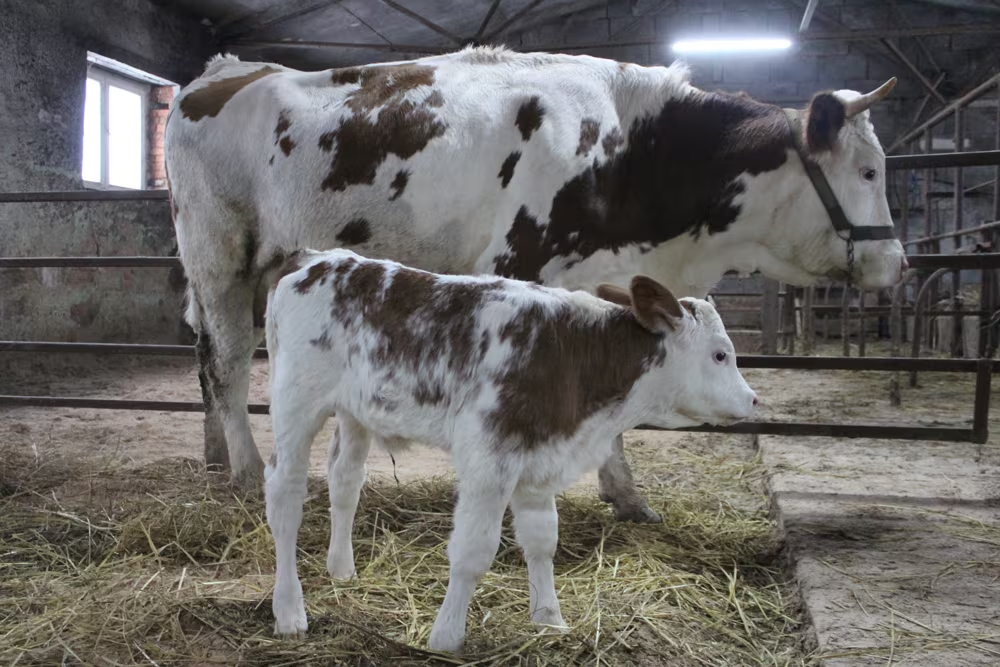
Outside the lab, cloning remains niche and controversial. The US FDA approved food products from cloned cows, pigs, and goats in 2008, but that has not sparked large-scale commercial cloning. Europe enforces stricter regulations, justified in part by animal welfare concerns-high failure rates and health problems in cloned offspring drive ethical hesitations.
Meanwhile, a profitable emotional market has emerged: private companies clone beloved pets for tens of thousands of dollars, fueled by celebrity stories. This area raises serious ethical questions, as successful cloning often requires dozens or even hundreds of egg cells and surrogates per viable animal, highlighting the procedure’s inefficiency.
Reasons human reproductive cloning remains banned
Human cloning has been effectively banned worldwide since the late 1990s, not only for moral reasons but practical safety concerns. Given the persistent risks and inefficiencies seen even in cloning animals like sheep, cows, and monkeys, no one is willing to experiment with human cloning.
But Dolly’s legacy contributed indirectly to a breakthrough: in 2006, Shinya Yamanaka developed the method to reprogram adult cells into induced pluripotent stem cells (iPSCs), winning a Nobel Prize in 2012. iPSCs essentially serve as genetic ”copies” of donor cells without producing a cloned organism. These cells are invaluable for modeling diseases, testing therapies, and growing tissues.

In the end, the key lesson from Dolly’s era isn’t an army of cloned animals or humans but a deeper understanding of cellular identity. Cloning showed how specialized cells can forget their function and revert to a pluripotent state. That insight has enriched our knowledge of organism development more than any one cloned lamb ever could-still making Dolly relevant decades later.