

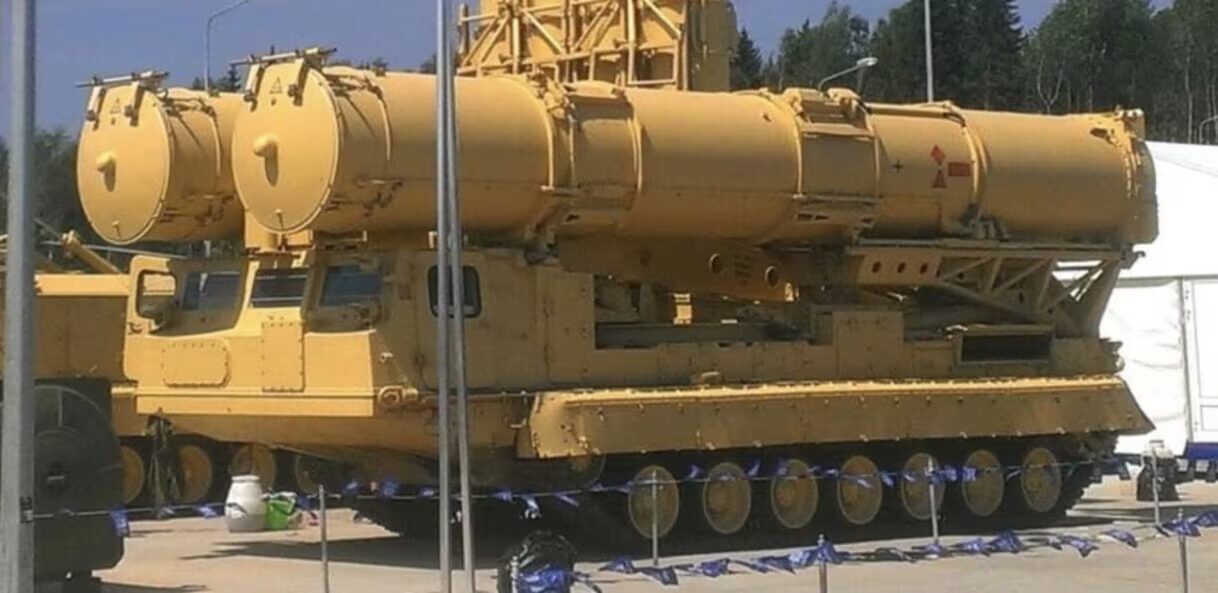
Egypt has publicly revealed its Russian-made S-300VM Antey-2500 surface-to-air missile system as an active component of its air defense forces for the first time. Previously, deliveries were mostly speculation, and in 2014 Moscow denied any contract existed. Now it is clear the system is operational in Cairo’s arsenal.
The unveiling took place at an official ceremony attended by Egypt’s top military leaders and senior government officials. The S-300VM was presented as a core part of Egypt’s updated long-range air defense network-not a static display, but a modern, deployed asset.
The Antey-2500 is a heavy, mobile long-range interceptor. It is an export variant of the S-300V family, designed not just to engage aircraft and cruise missiles but also tactical ballistic targets. Publicly available data lists its maximum aerodynamic target engagement range at up to 200 km. Compared to traditional S-300P systems, it is optimized as an anti-missile platform.
This showing serves multiple strategic purposes for Egypt. First, it signals Cairo now possesses a far-reaching interception layer, important given the rising threat of missile and drone attacks across the Middle East. Second, making the system public suggests Egypt has fully integrated it into its forces or aims to openly demonstrate one of its most sensitive recent Russian arms acquisitions.
History of S-300VM Antey-2500 deliveries to Egypt
The saga around Egypt’s S-300VMs has been murky for years. In 2014, Russian agencies flatly denied contract rumors and deliveries, calling reports false despite persistent whispers about a major deal between Russia and Egypt circulating in military circles.
Today’s public display is the first solid confirmation of what was previously just covert speculation. This is common for sensitive air defense acquisitions, especially long-range systems that shift regional military balances and raise eyebrows from the US and neighboring states.
Egypt’s weapons portfolio is notoriously diverse, having sourced equipment over decades from the US, France, Russia, and others to avoid reliance on a single supplier. This patchwork is especially visible in their air defenses. According to SIPRI, Egypt ranks among the world’s top arms importers. Interest in multilayer air defense is surging across the region as drone and missile warfare becomes more widespread.
Regionally, Turkey’s 2019 acquisition of Russian S-400 systems triggered US sanctions and exclusion from the F-35 program. Algeria is also a major operator of Russian long-range air defense systems in North Africa. Against this backdrop, Egypt’s public use of the S-300VM Antey-2500 is more than a hardware showcase-it is a clear message that Cairo is investing in advanced intercept capabilities and extending its defensive depth.
The Antey-2500 is rarely seen on export markets. It is not Russia’s most widespread SAM system, so every overseas demonstration draws attention-especially from a strategic player like Egypt controlling the Suez Canal and a key military force in the Arab world.
Now the question shifts from whether Egypt has the S-300VM to how many battalion units it has acquired and how the system fits within its wider air defense architecture. Likely answers will emerge during upcoming military drills or official presentations. For the arms market, this case stands out: a once-unconfirmed contract transformed into fielded, operational equipment.
Egypt’s move underscores a broader Middle Eastern shift toward layered defense systems capable of countering complex aerial threats. Observers will be watching closely for details on integration with Egypt’s radar networks and command systems, and how this affects regional security dynamics.