

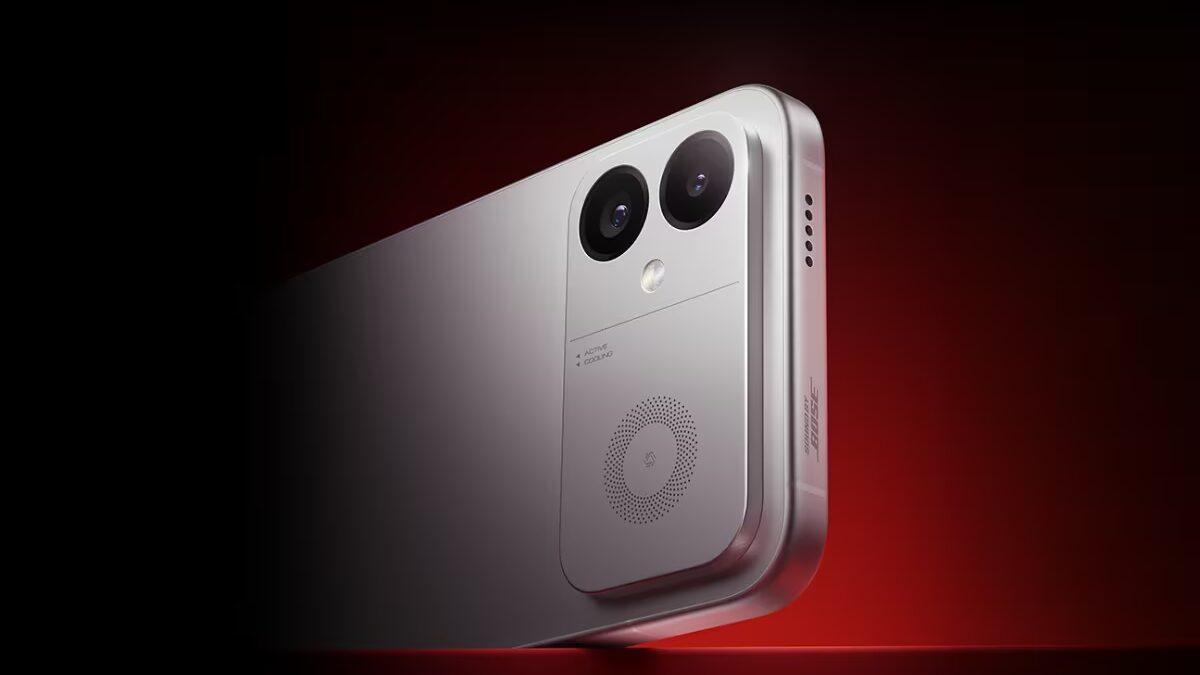
Redmi is gearing up to revive the near-tablet-sized smartphone category with a new 7-inch model designed for serious performance. According to leakster Digital Chat Station, the company is testing two next-gen devices: a 6.59-inch screen for the mid-range Pro segment and a much larger 7-inch phone built with a focus on power and battery life. If the rumor pans out, Xiaomi’s Redmi brand could be bringing back the oversized smartphone format, this time loaded with modern flagship-level hardware.
The tipster didn’t explicitly name Redmi, but their past leaks have frequently aligned with the brand’s launches. This time, it’s clearly not a foldable or a quirky gaming hybrid-just a giant-screen smartphone edging into the territory of classic phablets of the past.
This would mark a notable shift in the Android landscape. Most recent flagship phones hover around 6.8 to 6.9 inches, balancing screen size with ergonomics and battery life. The seven-inch mark has largely disappeared from mass-market phones as brands prioritized hand feel and portability. Redmi’s moves suggest that oversized phones might make a comeback amid changing user habits.
Rumors about Redmi’s 7-inch smartphone
This isn’t Redmi’s first flirtation with giant displays. Back in February, Digital Chat Station mentioned that two companies were testing 7-inch smartphones, though without naming them or revealing details. At the time, that size seemed like a bold experiment on an otherwise standardized market.
By early April, the leaks intensified with claims that Redmi’s 7-inch phone would pack a 10,000mAh battery. That’s a huge capacity far beyond today’s typical 6,000 to 7,000mAh batteries, strongly pointing to a device optimized for marathon gaming sessions, extensive media consumption, and heavy multitasking-definitely not something for tight pockets.
Later in April, whispers added more specifics: a 2K resolution screen and a high refresh rate, aligning with earlier rumors of a Redmi K100-series phone sporting a 7-inch 2K display. Put it all together and you get a cohesive picture: an enormous phone with top-tier specs and a focus on battery life.
This approach isn’t unprecedented. Huawei’s Mate 20 X featured a 7.2-inch screen, and ASUS’s Zenfone 3 Ultra hit 6.8 inches. Yet both remained niche devices, with mainstream smartphones settling firmly on safer 6.7 to 6.8-inch displays. Redmi’s leap suggests the trend might be shifting again.
Other brands developing giant-screen smartphones
Redmi isn’t alone in chasing the giant phone niche. The same insider puts Honor in the mix, working on its own 7-inch smartphone boasting a staggering 185Hz refresh rate. Honor is also rumored to be developing a 6.89-inch phone with a 2nm chipset. This indicates a broader industry test of extra-large smartphones rather than a one-off experiment.
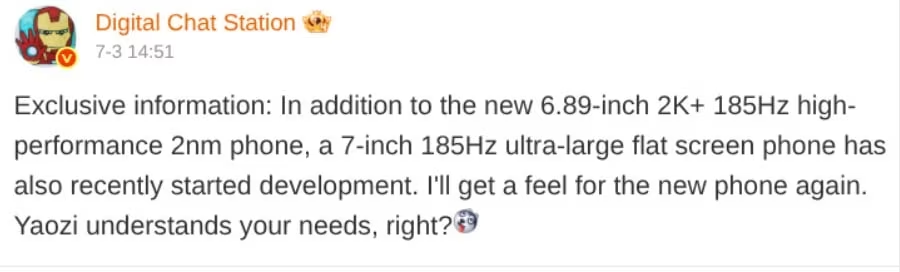
The reasons behind this trend are clear. Smartphone screen sizes have stagnated, while foldables remain expensive and mechanically complex. A large-screen slab could provide a near-tablet experience without the cost, fragility, or engineering challenges of flexible displays and hinges. In China, demand for bigger screens and long-lasting batteries is driven by mobile gaming and video streaming-two areas where size and endurance really matter.
Tech advances make these large phones feasible. Silicon-carbon battery tech has let Chinese OEMs significantly boost battery capacity without making devices noticeably thicker. So a 10,000mAh battery in a 7-inch phone is not a pipe dream but a logical extension beyond current super-sized 6,000-7,000mAh phones. Combine that with slim bezels, and today’s massive phones could actually look and feel smaller than giants from a few years ago.
For Xiaomi, in particular, this may be a tactic to diversify its lineup across its sub-brands. Standard flagships have settled into a sameness of screen size and design. A striking 7-inch Redmi phone focused on gaming and endurance could carve out a distinct niche without resorting to foldable engineering. Xiaomi ranked among the top three smartphone vendors globally in Q1 2026 by Canalys and IDC estimates, so it has the resources to experiment with less conventional formats.
If these leaks hold true, more concrete info about this Redmi model might surface by this fall alongside new details on the Redmi K100 series. That will clarify whether this giant smartphone remains a China-only niche or sparks a new device segment alongside gaming phones and ultra-flagships. For a category where 6.8 inches was recently the ceiling, pushing the screen two-tenths of an inch further suddenly becomes an intriguing development to watch.