

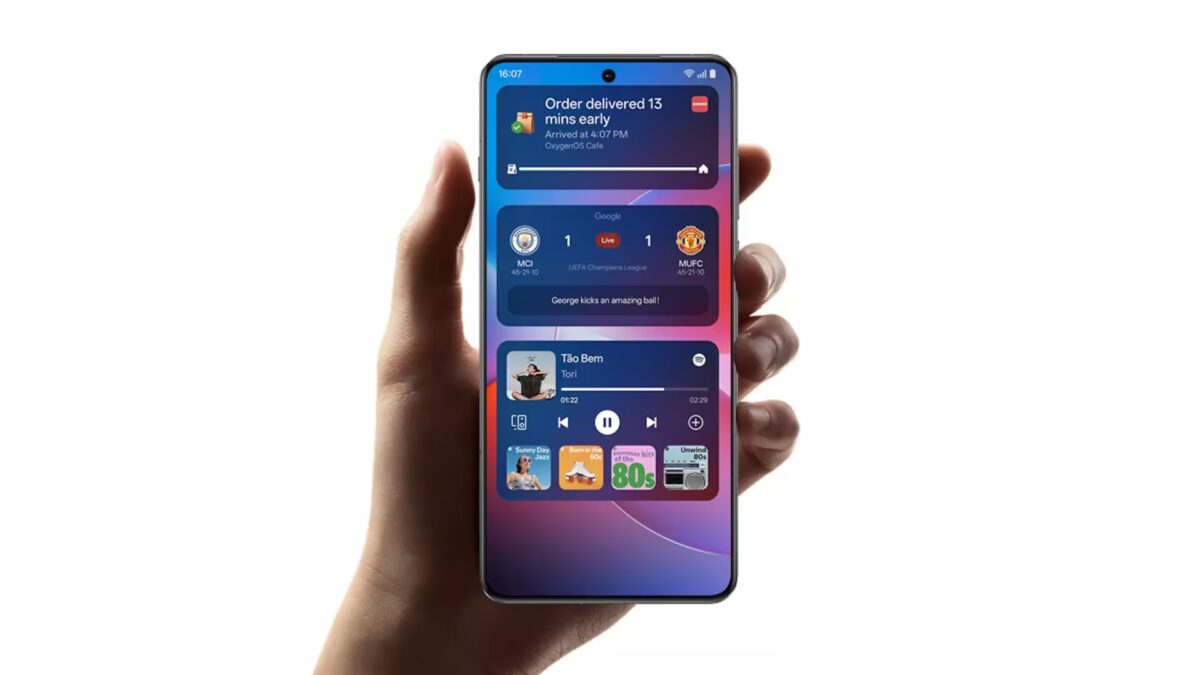
OnePlus and Realme could soon drop their distinct Android skins, OxygenOS and Realme UI, in favor of adopting Oppo’s ColorOS across all their smartphones. According to industry sources cited by Smartprix, Oppo is consolidating its three separate software platforms into a single unified system while sharpening brand roles by region. This move signals a deeper integration of the companies and simplifies software development, but it also means the end of exclusive interfaces for OnePlus and Realme users.
The shift to ColorOS will likely be barely noticeable for Realme users, as Realme UI already mirrors ColorOS in structure and features. OnePlus users, however, might feel the change more keenly. OxygenOS has long been marketed as a lightweight, clean alternative to Oppo’s more feature-heavy interfaces. The transition would remove one of OnePlus’s most distinctive selling points.
Sources reveal that OnePlus will now focus primarily on India and China, while Realme plans to pull back from the Chinese market to concentrate more heavily on overseas regions. The integration is already visible in India, where OnePlus’s repair and service network is merging with Oppo’s, making standalone OnePlus service centers increasingly rare.
This consolidation isn’t a sudden pivot but the culmination of a multi-year integration process. OxygenOS debuted with OnePlus devices back in 2014, and Realme UI launched after Realme separated from Oppo in 2018. Meanwhile, ColorOS remains Oppo’s flagship Android skin globally and has gradually absorbed more development resources-even for devices sold under different brand names.
OnePlus and Realme transition from OxygenOS and Realme UI to ColorOS
The decisive moment came in 2021 when OnePlus and Oppo announced a closer collaboration and merged their codebases for OxygenOS and ColorOS. At the time, OnePlus cited faster software updates and reduced development costs as reasons for the integration. While the OxygenOS brand remained, its technical independence has steadily decreased since then.
In China, the divide between OnePlus and Oppo devices has long been minimal: Chinese OnePlus phones have already shipped with ColorOS, while global models retained OxygenOS branding. If the rumored change is confirmed, even this regional difference will vanish, making software uniform worldwide.
For Realme, the switch is less dramatic since Realme UI was built on ColorOS’s foundation from the start. Differences have mostly been cosmetic, relating to visuals, pre-installed apps, and brand identity. By merging these skins into one, Oppo aims to reduce overlapping efforts on features ranging from AI tools to system updates.
This kind of software unification is already standard among major Android OEMs. Xiaomi consolidated its MIUI, Redmi, and Poco brands under the HyperOS platform, preserving some interface differences but sharing core code. Samsung has long operated on a single One UI skin across its Galaxy lineup, simplifying development and user experience alike. Compared to these streamlined approaches, Oppo’s three separate skins have been an inefficient outlier.
Neither OnePlus, Realme, nor Oppo have officially confirmed these plans or provided timelines. It’s unclear if the rollout would happen globally all at once or be staggered by region. For users, this change impacts visual design, update policies, preloaded services, and customer support operations.
The first clear signs will surface in upcoming major software updates and supporting materials for new device launches-not in marketing campaigns. If Oppo succeeds in merging its brands onto a single platform, it stands to reap the cost savings rivals have enjoyed with unified Android skins-but OnePlus risks losing what made its software uniquely its own.