

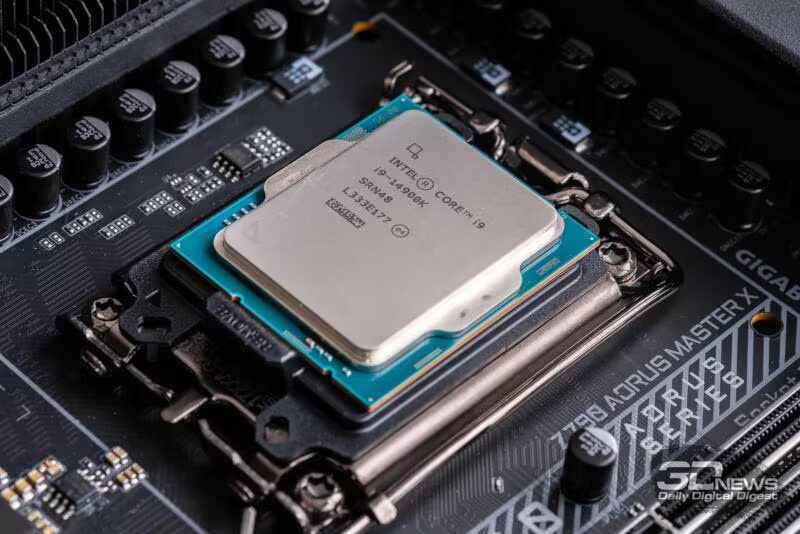
Intel is restarting production of its 13th and 14th generation Core desktop processors based on the Raptor Lake architecture, specifically to address the surging PC demand and memory component shortages in mainland China. The move will boost shipments to OEMs and retail channels, effectively extending the life of the LGA 1700 platform that supports both DDR4 and DDR5 memory standards.
The focus is on the Raptor Lake and Raptor Lake Refresh families, allowing Intel to quickly satisfy demand using an established platform while leveraging leftover DDR4 inventory. With the current DRAM shortage driving up prices, backward compatibility with DDR4 isn’t outdated-it is a strategic advantage for keeping system builds affordable.
Intel’s 13th generation Core CPUs launched in 2022 offered up to 24 cores and 32 threads. The updated 14th generation retains this core count but pushes clock speeds higher, with the Core i9-13900KS topping out at 6.0 GHz and the Core i9-14900KS reaching 6.2 GHz.
Alongside Raptor Lake, Intel plans to increase supply of 10th and 12th generation chips too, but the main production ramp centers on 13th and 14th generation processors. This broad approach targets a wide range of use cases, from budget office machines to mid- and high-tier gaming rigs-helping system builders utilize already acquired motherboards and memory modules.
Extended support for Raptor Lake and the LGA 1700 platform
Intel’s return to Raptor Lake is driven not just by processor demand but also platform realities. Intel’s newer desktop Core Ultra 200 series for the LGA 1851 socket drops DDR4 support entirely, requiring both new motherboards and exclusive DDR5 memory. In an environment of constrained memory supply, the older LGA 1700 socket with flexible DDR4 and DDR5 compatibility presents a more practical choice for many users.
DDR4 was expected to remain confined to budget segments, but the DRAM market defies forecasts regularly. TrendForce reports that contract prices for DRAM increased in 2022 and 2023 as manufacturers shifted capacity toward higher-margin HBM memory used in AI accelerators. This focus on server-grade chips squeezes desktop DRAM supply, causing shortages and price hikes. Platforms flexible enough to support both DDR4 and DDR5 gain a valuable edge in such conditions.
China is a key battleground for Intel here. It is the world’s largest DIY PC market, where older platforms tend to stick around longer due to a vast ecosystem of compatible motherboards, memory, and cooling solutions. Plus, the sizable segment of gaming internet cafes and budget gaming PCs in China is particularly sensitive to memory and motherboard costs-often prioritizing price over raw processor performance.
Intel’s competitors have taken different paths. AMD’s desktop AM5 platform supports only DDR5, while its older AM4 socket with DDR4 persists as a cheaper alternative but is effectively a legacy ecosystem. Intel, by contrast, occupies a rare middle ground-selling new platforms alongside fairly recent chips that work on an older socket, sparing partners the need for a full infrastructure overhaul.
- Intel’s 13th generation Core debuted in 2022
- 14th generation Core retains LGA 1700 socket
- LGA 1700 supports both DDR4 and DDR5 memory
- LGA 1851 socket for Core Ultra 200 only supports DDR5
Global PC shipments bounced back in 2023 after two down years, reaching nearly 260 million units according to IDC and Canalys. If the memory supply crunch persists into the second half of the year, Intel could continue relying on Raptor Lake as a mainstream solution for China-and perhaps other Asian markets. The scale of this strategy will become clearer alongside upcoming quarterly earnings and motherboard shipment data for LGA 1700.
Intel’s move highlights the growing importance of platform versatility amid fluctuating component availability. While flagship silicon pushes forward, real-world conditions keep yesterday’s sockets alive, potentially shaping desktop PC configurations for the foreseeable future.