

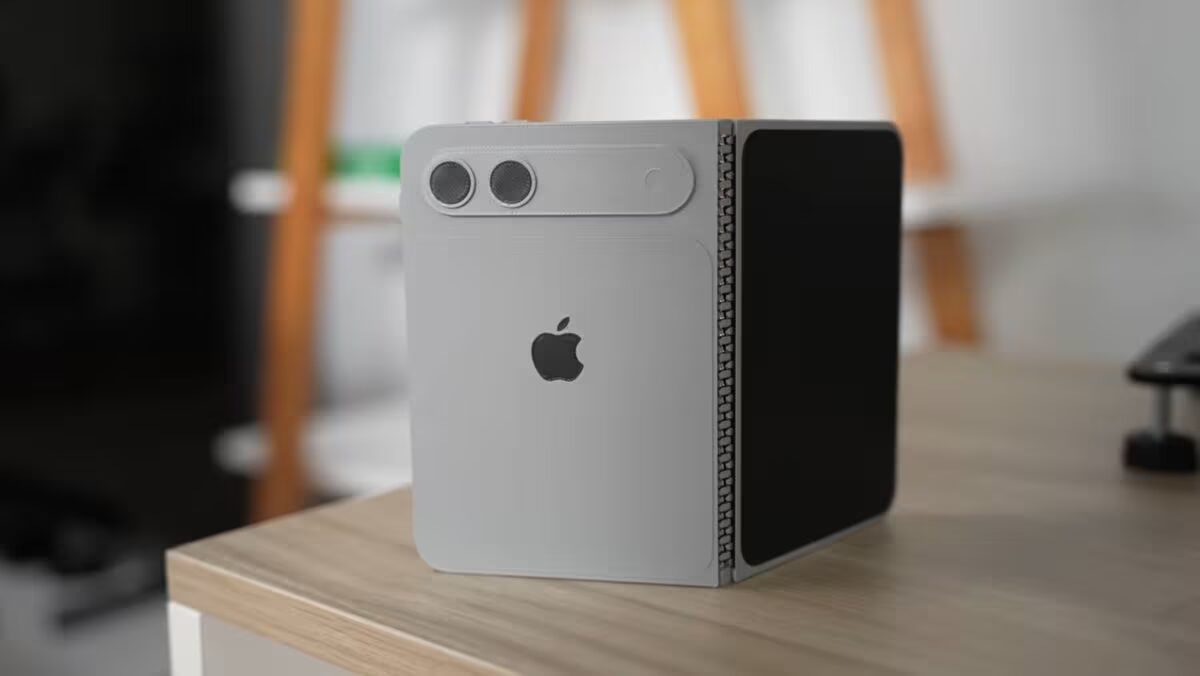
Apple is ramping up production of its first foldable iPhone, widely referred to in leaks as the iPhone Ultra. According to Nikkei Asia, the tech giant has asked suppliers to prepare around 10 million units this year-up from an earlier estimate of 7 to 8 million. At the same time, analysts at IDC have raised their price forecast, expecting the average device to cost about $2,500, with top-tier models potentially approaching $3,000.
This planned volume is unusually high for an inaugural foldable smartphone. Even category leaders like Samsung have typically scaled production cautiously, given the unpredictable demand and costly early-stage defects associated with new form factors. Apple’s situation is even more remarkable because the production target and price expectations are rising in tandem-an uncommon pattern in consumer electronics, where increased output usually leads to lower prices.
Previously, estimates for the foldable iPhone’s price ranged between $2,000 and $2,300. IDC now anticipates an average selling price around $2,500. If accurate, Apple’s foldable would undercut niche premium models like Huawei’s Mate X5 but come in pricier than Samsung’s Galaxy Z Fold6, which launched in the US starting at $1,899. This signals Apple’s push into an ultra-premium segment, where it has long maintained higher-than-average margins.
The production increase appears linked to suppliers resolving some of the initial manufacturing challenges. Earlier industry reports highlighted issues with the hinge, mechanical noise, and assembly defects that threatened to delay the launch beyond fall. Now, sources say Apple is back on track for a September announcement, aligning with its traditional iPhone update cycle.
History behind the foldable iPhone Ultra
The foldable iPhone has been in discussion for years and follows Apple’s typical playbook: entering a mature segment late, extending development times, and aiming to launch in the high-end price band from day one. Apple wasn’t early with smartwatches, true wireless earbuds, or mixed reality headsets either-in each case, it waited for supply chains and user scenarios to mature.
In the foldable smartphone space, this cautiousness is more apparent. IDC estimates that global foldable shipments have grown more slowly than manufacturers hoped, with volumes still tiny relative to classic smartphones. Samsung leads the market, but even its foldable line sells in numbers more typical of a niche product than mainstream hits. Against this backdrop, Apple aiming for 10 million units on its first foldable is an aggressive bet.
Another reason for the high price: foldables require costly OLED displays, complex hinges, reinforced chassis, and strict quality control. Apple adds its own engineering hurdles-thinness demands, durability, and iOS integration. Selling this device as an ”Ultra” rather than a mere experiment means retaining a premium position even if it means lower sales volume.
Competitors have shown that foldable prices drop very slowly. Samsung has yet to push the Fold series into affordable territory after multiple generations, while Chinese brands tend to compete on body thickness and weight rather than steep discounts. Apple’s advantage is a wealthier customer base: Counterpoint Research shows Apple’s share of global smartphone revenue consistently outpaces its volume market share, allowing room for a pricier debut.
- New production target: about 10 million units
- Previous estimate: 7-8 million units
- Updated average price forecast: around $2,500
- Top-end versions could reach prices near $3,000
- Expected announcement: September 2024
If Apple meets a fall launch, the foldable segment will see a rare boost in scale. IDC estimates global foldable shipments total only tens of millions annually; a single Apple model moving 10 million units could significantly reshape the category in its first full sales cycle. The real test will come after the holiday quarter, when early shipment numbers and average selling prices become clear.
Compared to Samsung and Huawei, Apple’s move reflects confidence in a premium take on foldables, banking on its loyal, affluent user base who are willing to pay a steep price for innovation paired with a familiar experience. The decision to increase production and raise prices simultaneously signals Apple’s belief that foldables can become a mainstream pillar, not a niche curiosity.