

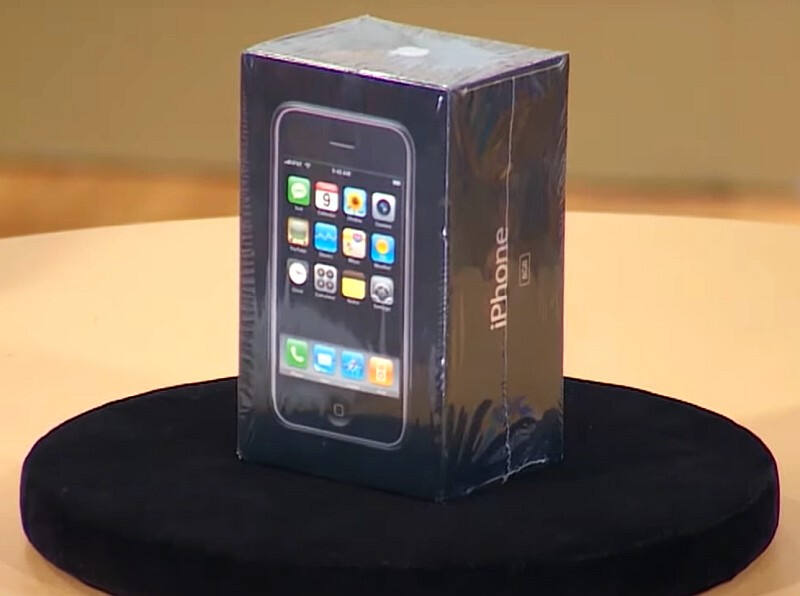
A new US economic study has tossed a surprisingly sharp accusation at the iPhone: not that it caused the decline in births on its own, but that it helped push it along. Researchers from the US National Bureau of Economic Research say they found a strong link between higher iPhone ownership in parts of the US and lower fertility, arguing the smartphone ”played a significant role” in reducing unintended pregnancies and contributing to historically low US birth rates.
That is not the same as proving the iPhone single-handedly changed family formation. But the paper does something smarter than the usual hand-waving about screen time: it uses the fact that AT&T was the only carrier selling the iPhone from 2007 to 2011 to compare areas with stronger AT&T customer bases against places where Verizon and other rivals were more dominant. That carrier split gives the researchers a cleaner way to isolate smartphone adoption than a simple national trend line.
How the iPhone birth rates study was built
The researchers say the pattern holds up in the data. Their argument is that the rise of the iPhone coincided with less time spent with friends in person, lower sexual activity, and more porn consumption, which they describe as a possible substitute for partnered sex. In other words, the device did not just sit in a pocket; it seems to have changed how people spent their time and attention.
The paper also says the effect was not limited to young adults. The estimates remained negative and statistically significant across age groups up to 40-44, suggesting that fertility at older ages may also have been higher without the spread of smartphones. That broad reach is awkward for the idea that this is only a teenage distraction story.
What the researchers are actually claiming
To be clear, the authors do not say the iPhone is the sole reason US birth rates fell after 2007. They also do not claim that policy cannot change the direction of travel. Their narrower point is that modern smartphones, between 2008 and 2011, appear to have had a meaningful impact on fertility in the United States.
- Launch year used in the study: 2007
- AT&T was the only iPhone carrier from 2007 to 2011
- Age range where the effect stayed significant: up to 40-44
- Study period highlighted by the authors: 2008-2011
The bigger story is not that one gadget ”caused” demographic change. It is that smartphones may have become one more quiet force shaping how often people meet, date, have sex and start families – which is exactly the sort of indirect effect that tends to get missed until someone runs the numbers.
Could the iPhone fertility link appear outside the US?
If this line of research survives scrutiny, the next question will be whether the same pattern appears in other countries and with later smartphone waves from Samsung, Google and other rivals. The iPhone may have been first through the door, but the habit it normalized is now part of a much larger ecosystem than a single Apple product.