

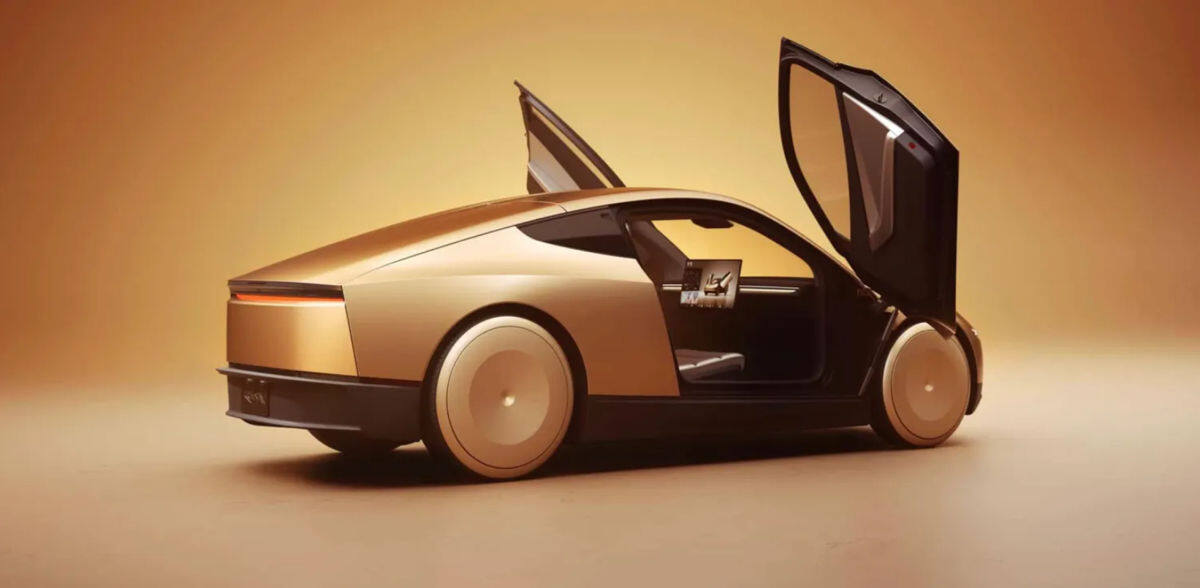
Tesla has started putting a production Cybercab on public streets in Austin, and this Cybercab testing in Austin run is missing the usual furniture: no steering wheel, no pedals, just a two-seat cabin and a safety monitor in the passenger seat. The move is a real milestone for Tesla’s robotaxi pitch, but it is still a test run, not a paid service, which means the company is proving the hardware before it can argue with regulators about the right to use it.
The distinction matters because Tesla has already been offering robotaxi rides in Austin for about a year, but those trips have been handled by modified Model Y SUVs. A purpose-built Cybercab is a different beast, and Tesla says this is the first production version to drive on public roads after rolling out of Gigafactory Texas in February and being confirmed on the company’s Q1 earnings call in April.
What Tesla showed in Austin
Tesla posted video on X showing the Cybercab moving through downtown Austin on its own. The company is framing the outing as engineering validation, which is a careful way of saying ”don’t call this a launch yet.” That caution is doing a lot of work, because a car can be technically real long before it is legally allowed to carry paying riders without a human backup.
- Two-seat Cybercab
- No steering wheel
- No pedals
- Safety monitor in the passenger seat
Why Tesla still cannot charge riders
Here’s the snag: US rules still require cars sold in the country to have a steering wheel and pedals, and Tesla has not filed for an exemption, according to reporting from Gasgoo. That means the Cybercab can road-test, but it cannot simply flip a switch and become a money-making ride service. In practice, Tesla is trying to prove a regulatory exception with one hand tied behind its back.
Waymo is the awkward comparison Tesla cannot avoid. Alphabet’s autonomous ride-hailing unit already runs fully driverless rides at scale with no safety monitor in the car, which puts Tesla in catch-up mode even after finally getting a wheel-free vehicle onto public streets. The Austin test is progress, but it is also a reminder that ”future of transport” demos and actual transport are two very different businesses.
What happens before paid rides
The near-term question is whether Tesla will seek that exemption, redesign the cabin, or keep treating the Cybercab as a proving ground while the Model Y fleet does the real revenue work. My bet: the company will keep leaning on the symbolism of the Cybercab while the legal and operational plumbing catches up, because that is easier than asking regulators to bless a steering-wheel-free car on day one. The car is on the road now; the business model is still waiting for permission.