

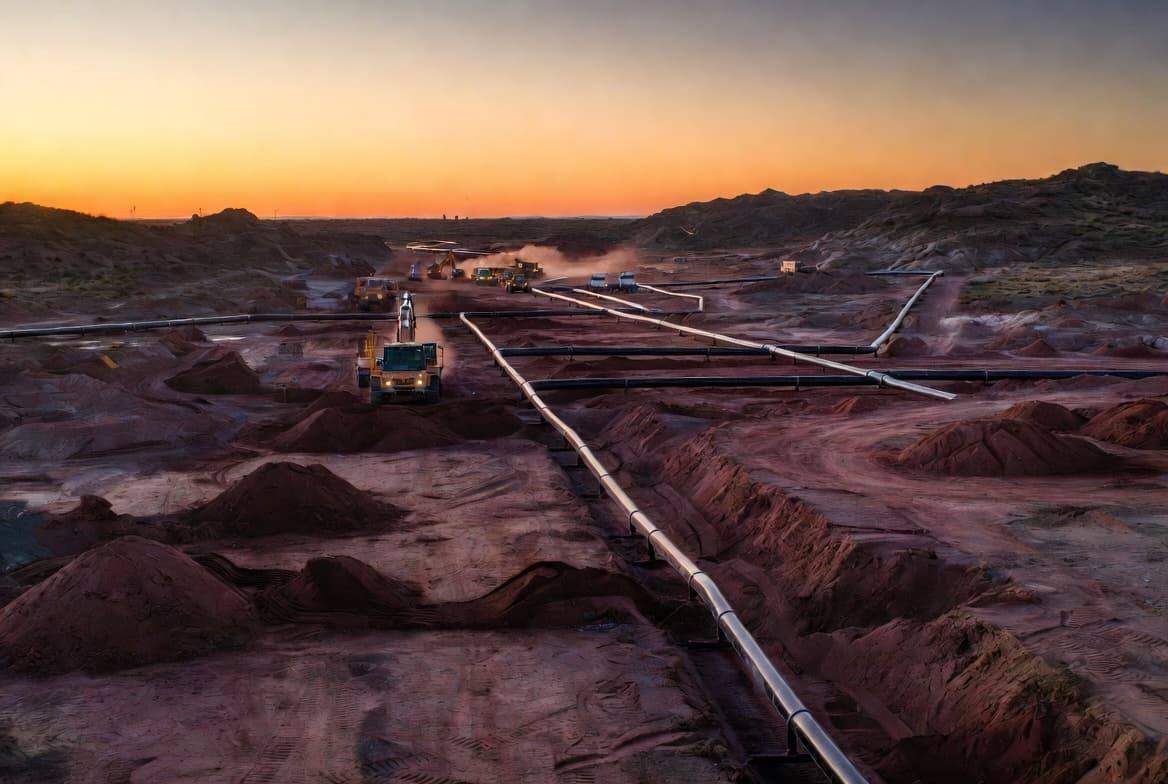
SpaceX is preparing to build its own methane pipeline to Starbase, and the name is exactly as on-brand as you would expect: Starpipe. The line would replace tanker trucks with a direct supply route for natural gas, helping the company speed up fueling for Starship as launch activity ramps up.
According to documents filed by a SpaceX subsidiary, Lone Star Minerals Development LLC, construction is set to begin on July 7, 2026, and finish by January 26, 2027. The pipeline would run for about 13 km, with a diameter of roughly 40 cm, linking the industrial area on the north bank of the Brownsville shipping channel to the Starbase launch site in Texas.
Starpipe methane pipeline specs
- Length: about 13 km
- Diameter: about 40 cm
The pipeline would deliver natural gas, or methane, to be liquefied near the launch pads. That matters because methane is only one part of the propellant puzzle: Starship also needs large volumes of liquid oxygen and liquid nitrogen, which SpaceX is still producing with a separate air-separation plant under construction beside the site.
Right now, methane arrives by road in tanker trucks before each Starship launch, a setup that is functional in the way a hand cart is functional for moving a piano. It works, but it slows everything down and puts a hard ceiling on how quickly SpaceX can turn the site around after tests and flights.
Why SpaceX is building its own fuel infrastructure
Starbase was originally chosen with the idea that a state methane pipeline would eventually be built nearby, but that project never happened. Instead, the company spent years trucking fuel in, which is fine if you enjoy logistics as a hobby and less fine if you want frequent orbital launches.
A private pipeline gives SpaceX more control over cadence, and cadence is the real prize here. Faster refueling after tests and launches is the kind of unglamorous infrastructure move that often decides whether a rocket program feels experimental or industrial.
Starship launch pace depends on boring plumbing
The timing is also telling. SpaceX is already pushing ahead with other hardware at Starbase, including a new air-separation facility for cryogenic propellants, and it recently completed the first static-fire tests of Ship S40. If the company wants a much higher flight rate, it needs the equivalent of a factory, not a pad with good PR.
The next question is whether Starpipe becomes just one more internal utility line, or the piece of infrastructure that finally lets Starbase behave less like a prototype site and more like a launch complex built for repetition. My money is on the latter, because SpaceX rarely builds plumbing for the fun of it.