

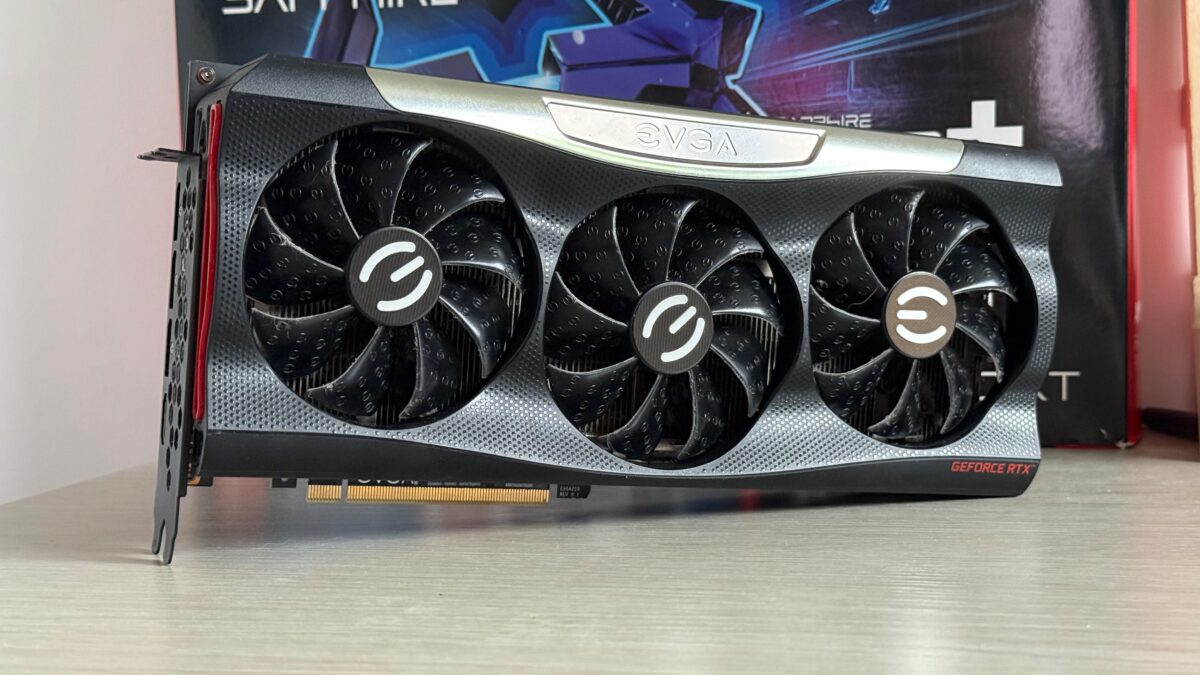
EVGA stopped making graphics cards in September 2022, and the PC build world still hasn’t found a clean replacement for what the company brought to high-end GPUs: sharp cooling, generous power headroom, long warranties, and customer support that actually sounded like it had used a computer before. The hardware market moved on. Enthusiasts mostly did not.
That lingering absence says a lot about how GPU brands win loyalty. A card is already the most emotionally loaded part of a build, and EVGA understood that the purchase did not end at checkout. Step-Up upgrades, extended coverage, B-Stock deals, and hands-on RMA service turned a graphics card into a relationship. Try getting that from a spec sheet.
Why EVGA cards built such a loyal following
For many builders, the draw was not just the cooler shroud or the factory overclock. EVGA paired premium boards with practical perks: a 90-day Step-Up window, warranties that could stretch to as much as a decade on eligible cards, and a B-Stock store that sold open-box or recertified gear with real coverage attached.
That bundle mattered because GPU buyers hate feeling trapped. Buy at the wrong point in a generation, and you’re stuck staring at a shiny new launch while your fresh card suddenly looks a little foolish. EVGA tried to soften that sting, and competitors have never matched the same mix of flexibility and goodwill at scale.
The EVGA cards people still remember
The nostalgia is not just brand haze. EVGA’s GTX 750 Ti FTW and RTX 3080 FTW3 Ultra became reference points for builders who cared about acoustics, thermals, and tuning room. The latter, in particular, stood out for its high power limit and later VBIOS support that pushed it even further for overclocking.
- GTX 750 Ti FTW: quiet cooler, solid overclocking, and a first taste of dual-slot muscle for many users
- RTX 3080 FTW3 Ultra: stock power headroom, then a VBIOS option that raised the limit from 400W to 450W
- iCX sensor suite: EVGA’s own answer to thermal and VRM monitoring concerns
What happened after the Nvidia split
The turning point was EVGA’s break with Nvidia in September 2022. The company also said it would not partner with AMD or Intel, which basically removed graphics cards from the business model that had defined it. Since then, the signs have pointed in one direction: forums shifted to read-only in early 2025, motherboard support has not kept pace with current Intel or AMD platforms, and new product launches are almost nonexistent.
That is the part the industry never quite replaced. Nvidia and AMD still sell the chips, and board partners still compete on cooling and factory tuning, but the ecosystem lacks a builder-first brand that treats post-purchase support as part of the product. In a market where margins are tight and memory is short, that may be exactly why EVGA’s exit still stings.
A comeback looks unlikely
Could EVGA return? Technically, sure. Realistically, the company has spent too long winding down. The B-Stock store appears to have vanished, and the broader business posture does not suggest a stealth relaunch waiting in the wings. For fans, that means the company’s reputation is now doing all the work the products used to do.
The uncomfortable question is whether any modern GPU maker wants to inherit that responsibility. If the answer is no, EVGA’s exit becomes more than a nostalgic footnote. It becomes proof that the most trusted name in a category can disappear, and the market may never bother to rebuild what it lost.