

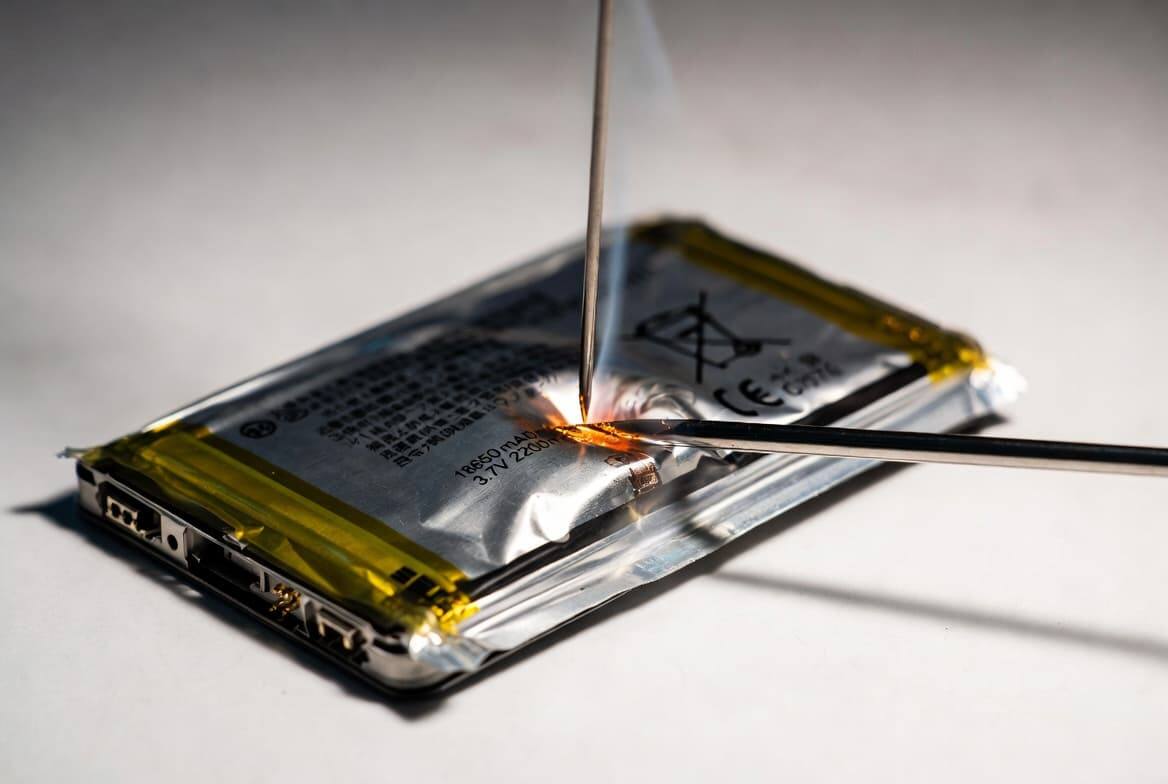
Xiaomi is turning battery safety into a stress test, not a marketing slogan. The company says it is hammering its battery systems with extreme charging cycles, vibration, impacts, water exposure, and puncture checks to find weak spots before customers do. Xiaomi says its battery tests now reach 1,000 accelerated charge and discharge cycles.
The headline number is 1,000 full accelerated charge and discharge cycles, but that is only part of the story. Xiaomi also says its batteries are being shaken for up to 36 hours at levels above national standards, hit with mechanical shocks at up to 3.57 times the standard value, and pushed through water and heat abuse that would make most owners very nervous.
Xiaomi battery abuse tests
The test list reads like a small disaster movie. Xiaomi says its battery packs are soaked for 24 hours, blasted with hot water at about 80 °C under pressure, and even punctured by the corners of neighboring cells. That kind of testing matters because modern EV buyers are no longer just comparing range figures; they are comparing what happens when a pack ages, gets rattled, or encounters real-world damage.
These checks are used across battery systems with different chemistries, from lithium-ion to lithium iron phosphate. That breadth is smart: the safest-looking chemistry on paper still has to survive packaging, manufacturing, and abuse, which is where a lot of uncomfortable surprises tend to live.
- Up to 1,000 accelerated charge and discharge cycles
- Vibration testing for up to 36 hours
- Mechanical impacts at up to 3.57 times the standard value
- 24-hour water immersion
- Hot water pressure testing at about 80 °C
- Puncture testing using the corners of adjacent cells
What a long-term SU7 result suggests
Xiaomi also points to an endurance example from the SU7: one owner reportedly drove about 260,000 km, and the battery still retained around 94.5% of its capacity. That is the kind of number automakers like to put on slides because it signals confidence in degradation control, even if one real-world case is not a lab-grade verdict.
The broader trend is clear: EV brands are trying to prove batteries can survive not just distance, but abuse, aging, and bad luck. Competitors have been leaning on similar durability stories for years, and Xiaomi is now making battery safety and longevity part of the pitch alongside performance. The next fight is not just who can charge fastest, but whose pack keeps its cool after the honeymoon period ends.