

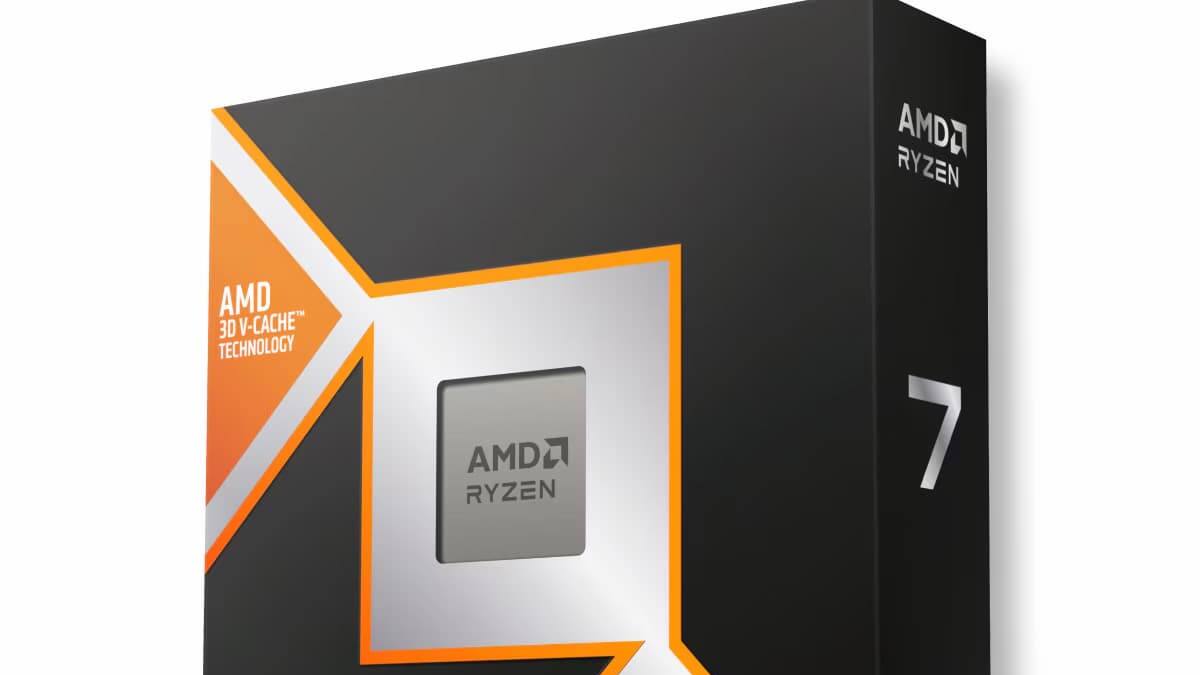
A customer who ordered an AMD Ryzen 7 9800X3D from Amazon says the sealed box arrived with an Intel Core i9-10900K inside instead. That is not a small mix-up: the buyer ended up with a 2020-era Intel chip that cannot be used on an AMD platform, which makes the whole shipment useless for its intended purpose.
The packaging reportedly looked untouched, so the fraud may have happened before the box reached the buyer rather than during delivery. That lines up with a familiar e-commerce headache: high-value CPUs and graphics cards are especially attractive targets for return fraud, because a swapped part can be hard to spot until the buyer opens the box and actually checks the silicon.
How CPU swap scams keep slipping through
If the box was genuine, someone likely returned a fake replacement and pushed the original item back into circulation. If the seal itself was copied, that is even messier for Amazon, because the problem is no longer just a bad return but a packaging process that failed to catch it.
These cases are not new, and they tend to cluster around expensive components sold through large marketplaces where inventory moves fast. Amazon has not commented on this incident yet, which is convenient for everyone except the buyer stuck with a mismatched processor.
What shoppers should check on a sealed CPU box
- Make sure the box seal looks consistent, not just ”closed”.
- Compare the model number on the label before opening it.
- Record an unboxing video if the item is expensive.
The bigger question is whether marketplaces can tighten return handling fast enough to stop these swaps from becoming routine. Right now, the incentives are clear: buyers want the latest chip, scammers want a cheap way to recycle old hardware, and platforms get to explain why a sealed box was anything but safe.