

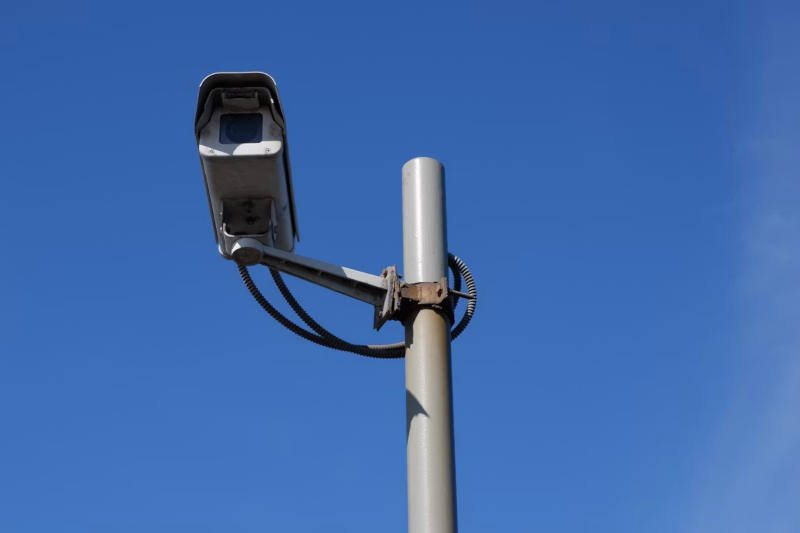
License-plate cameras in the US are doing more than logging cars. According to reporting cited by 404 Media, systems paired with extra sensors can also scoop up signals from nearby devices, including smartphones and wireless earbuds, turning a traffic tool into something closer to a mobile tracking net.
The setup is built around SignalTrace, a system from defense contractor Leonardo. It creates unique identifiers from Bluetooth signals and can also detect RFID tags, which show up in tire-pressure sensors, employee passes, and even pet microchips. In practice, that means a car can be tied not just to its driver, but to passengers and the gadgets riding along with them.
That is the clever part, and the unnerving one. The system reportedly records radio signals rather than message contents, so it is not reading texts or listening to calls. But if your phone and earbuds travel together every morning, that pattern alone is enough to build a durable electronic fingerprint.
How SignalTrace builds device fingerprints
SignalTrace is designed to link multiple signals into group identifiers that move together. Those identifiers can be stored on corporate platforms and, in some cases, shared with law enforcement. That makes the data useful not just for identifying a vehicle in one place, but for mapping where people and their devices tend to go over time.
This is not a US-only curiosity. Rayzone Group, an Israeli company, is also pitching systems that combine GPS, Bluetooth, Wi-Fi, and vehicle sensor data to analyze movement and build behavioral models. At least three Israeli companies are developing similar products, and the industry has clearly shifted from simple plate recognition toward full-spectrum vehicle intelligence.
What the cameras can detect
- Bluetooth identifiers from smartphones, earbuds, and nearby gadgets
- RFID tags in pressure sensors, access passes, and pet microchips
- Movement patterns of devices traveling with a vehicle
- Data that can be stored on corporate systems or shared with police
The next step is easy to guess: more integration, more sensors, and fewer places for a phone to stay anonymous in public. The open question is whether regulators move first, or whether car-mounted surveillance keeps expanding until the public notices the blur of convenience has become a shadow profile.