

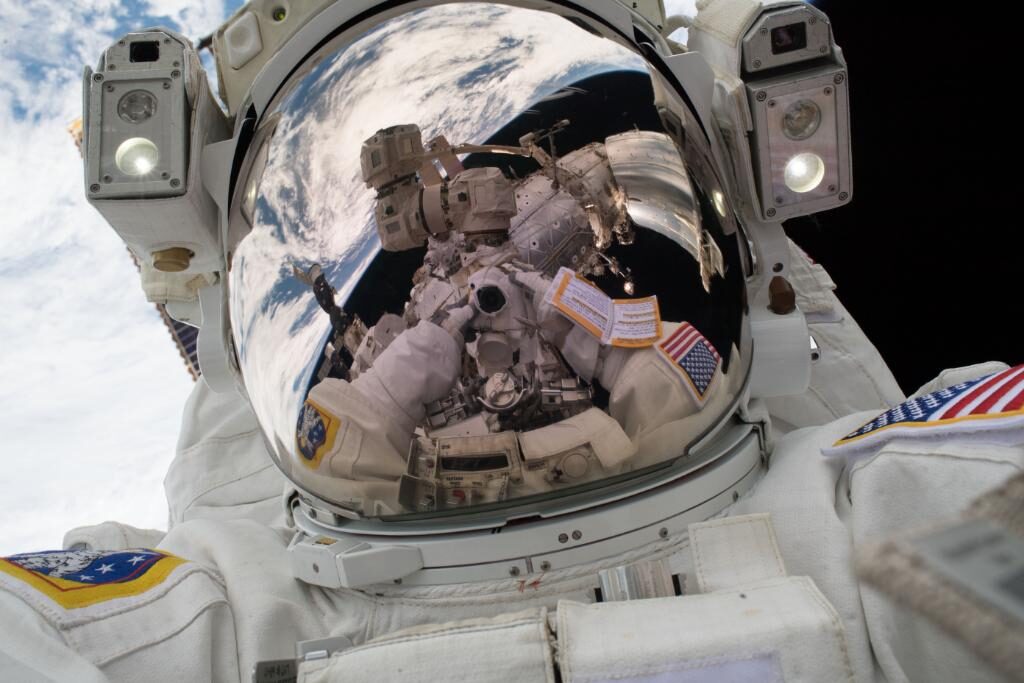
NASA astronauts Christopher Williams and Jessica Meir are set to step outside the International Space Station on June 30 to repair Canadarm2, after engineers spotted a problem in one of the robotic arm’s joints at the end of May. The task is straightforward in concept and unforgiving in practice: replace a joint in the manipulator’s ”wrist” and keep one of the station’s most useful pieces of hardware fully operational.
For Williams, it will be his second spacewalk. For Meir, it will be her fifth. That kind of experience matters, because repairs on the outside of the station are never just maintenance; they are a reminder that the ISS still depends on old-fashioned human hands to save very expensive machinery when automation gets stuck.
Canadarm2 repair on June 30
NASA astronauts Christopher Williams and Jessica Meir are scheduled to repair Canadarm2 during a spacewalk on June 30. The work comes after engineers identified a problem in one of the robotic arm’s joints at the end of May.
What Canadarm2 actually does
Canadarm2 is a 17.6-meter robotic arm with a mass of about 1,800 kg, mounted on the station’s U.S. segment. It can move objects weighing up to 116 t, which is the sort of number that makes ”robot arm” sound almost insultingly small.
Its job list is long: capturing cargo spacecraft, moving equipment around the station, helping inspect hardware, and assisting astronauts during spacewalks. If it starts misbehaving, the station’s logistics get tighter fast, which is why this repair is more than a cosmetic fix.
Why the joint failure matters
A failure in the arm’s joint does not just inconvenience the crew. It can limit how the station handles visiting spacecraft and how efficiently it shuffles hardware around, turning a highly capable outpost into something much more manual and much less flexible.
The scheduled spacewalk also underlines a broader truth about orbital infrastructure: even the most advanced stations still rely on repairability. Space agencies have spent years pushing autonomy in robotics, but the moment a critical joint fails, the backup plan is still a spacesuit, a toolkit, and a long, careful trip outside.
A familiar kind of problem for a vital machine
Canadarm2 has been one of the station’s most important robotic systems for years, and like any heavily used mechanism, it wears down. The good news is that the failure was detected before it turned into a larger operational headache; the less cheerful part is that the fix still requires astronauts to do the job themselves.
If the repair goes as planned, the station keeps a key piece of its handling and inspection capability. If not, mission planners get an unwelcome lesson in how quickly one joint can become everyone’s problem.