

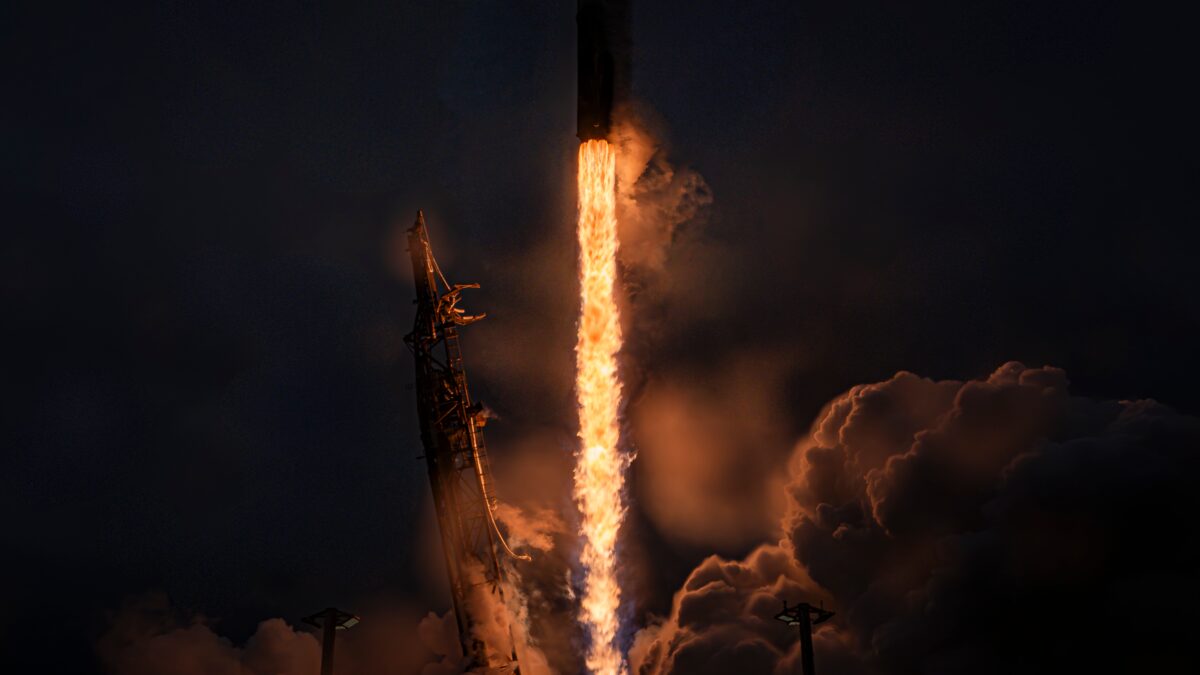
SpaceX has set a new benchmark for how quickly it can turn around a Falcon 9 launch pad at Vandenberg Space Force Base, firing another rocket from the same spot just 55 hours, 48 minutes, and 21 seconds after the previous liftoff. The quick reset happened at SLC-4E, the company’s West Coast pad for missions to polar and sun-synchronous orbits, and the rocket carried 24 more Starlink satellites into space.
It is a notable Falcon 9 pad turnaround record for SpaceX, and rivals would love to copy it. The company has spent years treating launch infrastructure like a reusable product rather than a fixed asset, and that habit is now squeezing more missions out of the same hardware with less downtime.
What the Vandenberg record says about SpaceX operations
Vandenberg is a useful place to prove this point because its missions are tied to a specific orbital corridor, which makes pad scheduling less forgiving than at some other launch sites. Hitting a sub-three-day turnaround there suggests SpaceX is not just launching often, but also compressing the entire cleanup, inspection, and relaunch cycle with alarming efficiency.
That matters because launch frequency is now as much a business advantage as rocket design. The faster a company can reset a pad, the easier it becomes to keep Starlink moving and to avoid the kind of bottlenecks that slow down less vertically integrated competitors.
Starlink keeps filling the rides
The payload on the latest flight was another batch of 24 Starlink satellites, which is the other half of the story here: SpaceX is using this launch cadence to feed its own broadband network. That creates a neat loop where the company’s launch business and satellite business reinforce each other, while everyone else is left trying to rent the same orbit.
- Turnaround time between Falcon 9 launches from the same Vandenberg pad: 55 hours 48 minutes and 21 seconds
- Launch site: Vandenberg Space Force Base
- Pad: SLC-4E
- Payload: 24 Starlink satellites
The gap with rivals keeps widening
SpaceX’s pace also fits a broader pattern: according to Bryce Tech and comments from Elon Musk, the company led the world in mass delivered to orbit in the first quarter of 2026, with 556,057 kg out of a global total of 647,412 kg. That is not a narrow lead; it is domination, and it helps explain why launch cadence has become the company’s most intimidating metric.
The next question is whether this Vandenberg record becomes routine or stays an outlier. If SpaceX can keep shaving hours off pad downtime without tripping over safety or maintenance limits, its competitors will have to do more than build good rockets – they will have to build a better factory.