

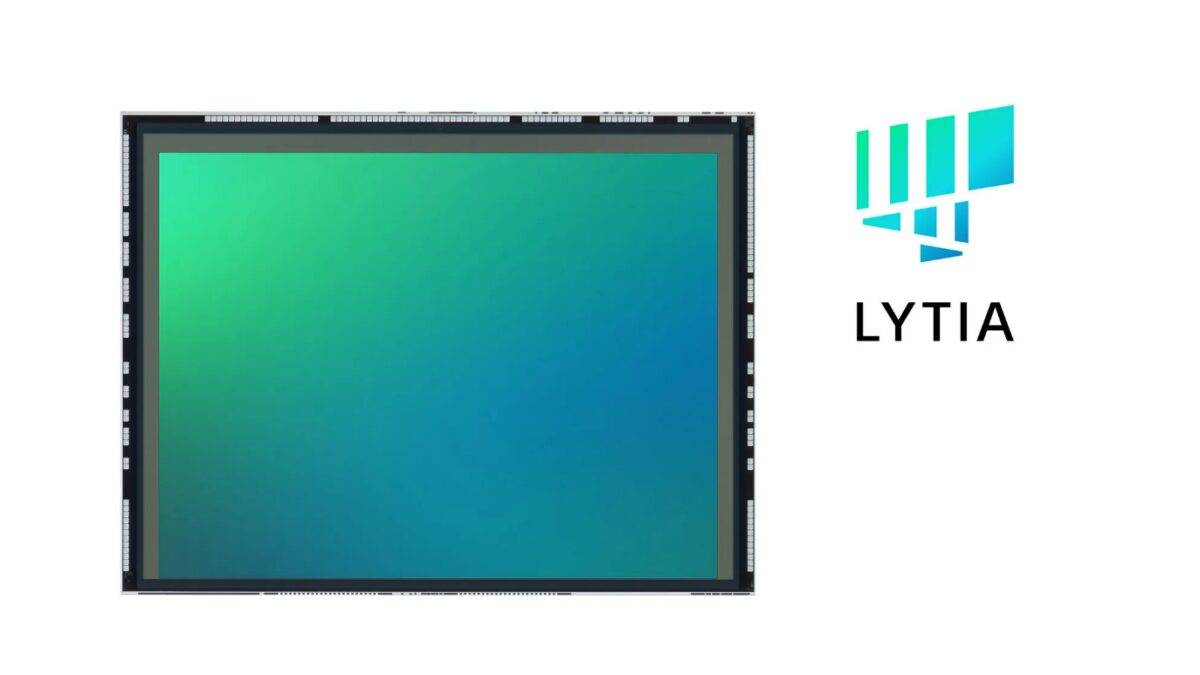
Sony has introduced the LYTIA L910, a new smartphone camera sensor built to handle harsh lighting without turning photos into a mess of blown highlights and muddy shadows. It is the first sensor in the company’s LYTIA lineup to use LOFIC architecture, and Sony is pairing that with a set of HDR and low-light tricks designed to keep image quality high while power use stays in check.
The timing makes sense. Smartphone makers have spent the last few cycles chasing better computational photography, but hardware still sets the ceiling, and Sony clearly wants a bigger say in that race. If the LYTIA L910 performs as advertised, it should give Android flagships a cleaner starting point before software does its usual dramatic hand-waving.
LYTIA L910 sensor specs
The LYTIA L910 is a 1/1.28-inch stacked CMOS sensor with approximately 50 effective megapixels and a 1.22μm pixel size. Sony says it can reach a dynamic range of up to 100 dB from a single exposure, which is the sort of number that matters when a scene has both a bright sky and dark foreground details that usually get sacrificed for one another.
- Sensor type: 1/1.28-inch stacked CMOS
- Resolution: approximately 50 effective megapixels
- Pixel size: 1.22μm
- Dynamic range: up to 100 dB from a single exposure
LOFIC and Triple Conversion Gain HDR
Instead of leaning on multiple exposures and hoping motion stays politely still, Sony says the L910 captures the needed data in one shot. That should help cut down on blur and flicker around moving subjects or bright light sources, which is exactly where many phone cameras start to wobble.
The hardware recipe is LOFIC combined with Triple Conversion Gain HDR, a setup that reads the same exposure at three different conversion gains. Sony says the result is better detail retention in both highlights and shadows, with less clipping in bright areas and less noise where the light is weak. That is the kind of engineering that matters more than a flashy megapixel headline.
Low-light improvements and 4K HDR video
Sony has also added an Ultra High Conversion Gain circuit that improves charge-to-voltage conversion efficiency. The company says random noise is reduced by around 30% compared with the LYTIA 828, which should help in low-light scenes such as night-time cityscapes lit by LEDs.
Power efficiency is part of the pitch, too. An optimised circuit design lowers processing demands enough to support 4K HDR video recording at 60 fps while keeping dynamic range performance intact. The sensor can also shoot full-resolution 50-megapixel stills at up to 30 fps and 12.5-megapixel images at up to 120 fps, so handset makers get flexibility without having to trade away speed.
Sony plans mass-production shipments in summer 2026, and the first phones expected to use it are likely to be the Vivo X500 series and the Oppo Find X10 lineup. That would fit the recent pattern in which premium Chinese Android brands often get early access to Sony’s most ambitious camera silicon, while competitors scramble to answer with tuning, branding, and a lot of marketing polish.
Phones expected to use the LYTIA L910
If that rollout happens as expected, the real test won’t be the spec sheet but how much of this extra range survives once phone makers add their own processing stack. The interesting question is whether LOFIC becomes the next must-have camera buzzword, or whether Sony’s implementation quietly forces everyone else to catch up the hard way.