

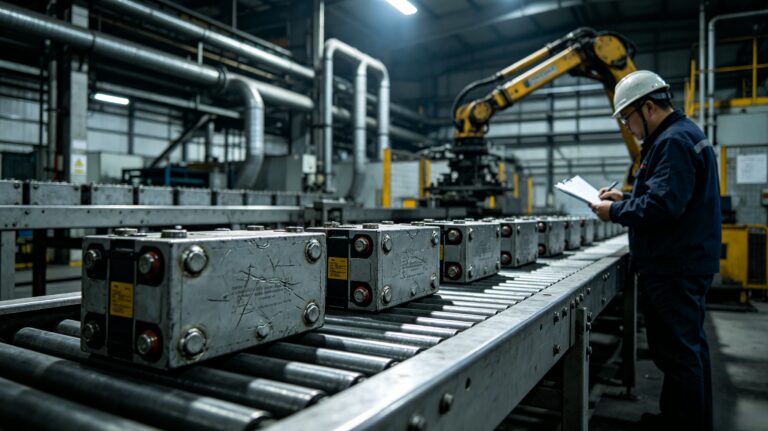
China has uncovered a shadow market for retired electric vehicle batteries, and the end use is as troubling as it sounds: high-voltage packs are being repurposed for e-bikes and other light vehicles, despite rules that cap consumer systems at 48V. A CCTV investigation says the illegal chain stretches from discarded EV batteries to unofficial workshops and distribution hubs, creating a brisk trade in cheap power with fire risk baked in.
The issue is bigger than a few rogue repair shops. As EV sales rise and the first wave of packs starts leaving vehicles, battery recycling is becoming a pressure point. China has more scale than anyone, which means it also has more incentive for bad actors to squeeze value out of old cells instead of sending them through certified disposal channels.
How the illegal EV battery chain works
According to the report, the process is fairly blunt: retired EV batteries are diverted into informal recycling networks, rebuilt into 60V and 72V modules, and then sold for e-bikes and similar machines. In backstreet workshops, wire harnesses are modified, protection circuits against overload and short circuits are disabled, and battery packs are reassembled for a second life. That is not recycling so much as deferred trouble.
The distribution side is apparently organized too. Underground hubs reportedly charge 20 yuan, or $3, for the battery modifications, which is cheap enough to keep the business moving and expensive enough to make the margins attractive. Some plants tied to the recycling sector are also said to be involved, including facilities that hold official disposal certificates but allegedly route battery cells into uncertified channels instead.
Illegal EV battery wiring is already causing fires
The safety numbers in the report are grim: official data says about 33% of all e-bike fires are caused by illegal wiring modifications, and 80% of those fires involve scrapped EV batteries. That lines up with the engineering logic. EV cells are designed to be managed by strict battery systems, not hacked into cheaper packs that then get hammered by vibration, heat, and bad charging habits.
China is hardly alone in facing battery waste problems, but the combination of huge EV volumes and a giant e-bike market makes the incentive structure unusually ugly. If regulators tighten enforcement, some of this trade should get pushed out of sight; if they do not, the next batch of retired packs will keep finding its way into vehicles that were never meant to carry them.