

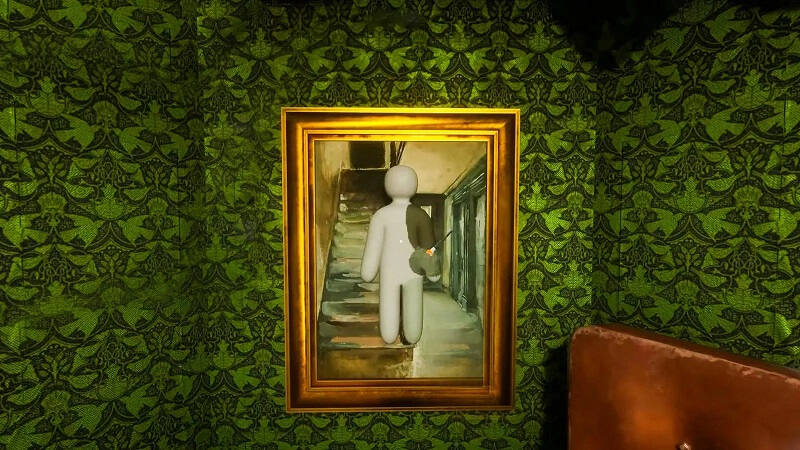
A tiny Japanese indie game about hide-and-seek has raced from obscurity to a million sales in days. Meccha Chameleon, made by developer lemorion_1224, landed on Steam on 10 June and quickly became the sort of PC oddity streamers love: simple to explain, chaotic to watch, and just weird enough to spread fast.
The Steam hide-and-seek game has also been a bargain in some regions. In the Russian Steam store, Meccha Chameleon is listed at 232 rubles until 16 June, and its momentum has been absurd even by viral-game standards: 200,000 copies sold one day after launch, 300,000 a few hours later, half a million the day after that, and then a million. That kind of climb usually belongs to breakout horror games or surprise party hits, not a stealthy hide-and-seek experiment with a chameleon gimmick.
How Meccha Chameleon works
The premise is familiar, which is part of the joke. Players are split into two teams: seekers and hiders. The seekers have a timer to find everyone, while the hiders can disguise themselves as part of the environment, blending into furniture and other objects in a way that makes the game’s title more than just cute branding.
That ”become the room” mechanic is doing the heavy lifting here. It turns every match into a guessing game about what belongs and what absolutely does not, which is exactly the sort of low-friction premise that clips well on social media. Steam has seen this pattern before: a strong hook plus streamer-friendly chaos can do more than a long marketing campaign ever could.
Steam reviews and player complaints
Meccha Chameleon currently has almost 4,000 ”mostly positive” Steam reviews, with a 78% rating. The praise is being tempered by familiar early-access-style grumbling: players are calling out poor optimization and missing features, and lemorion_1224 is actively working on the game.
That mix is common for viral indies. A game can be good enough to explode before it is fully polished, and then spend the next stretch trying to live up to the attention it never asked for. The upside is obvious: a million sales buys a lot of room to improve. The downside is equally obvious: players who arrived for the meme will not stay long if performance stays rough.
What Meccha Chameleon’s sales spike suggests
For indies, the lesson is old but brutal: originality still cuts through, especially when it is easy to understand in one sentence. Meccha Chameleon is not trying to outgun big-budget shooters or outbuild sprawling survival games. It is betting on a clever rule set, a clear joke, and the kind of social proof that turns one clip into a flood of copies.
The next question is whether lemorion_1224 can convert that burst of attention into a durable player base. Viral sales are nice; keeping people around after the first laugh is where the real game begins.