

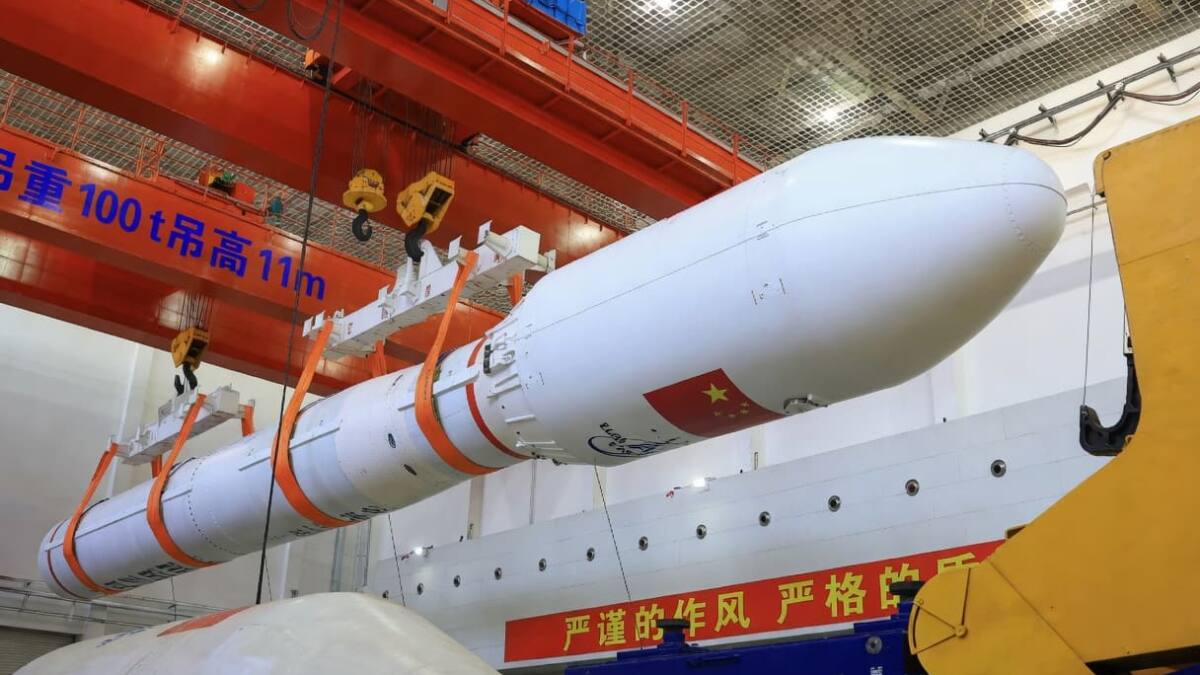
Galactic Energy says it has finished its investigation into the first-stage engine failure that doomed the Ceres-2 (YY1) launch in January, and the company is claiming the usual postmortem trifecta: it found the problem, understood the mechanism, reproduced the fault, and says the fixes worked. That is the right answer on paper. The real test is whether the next Ceres-2 launch behaves better than the last one.
The commercial rocket lifted off from Jiuquan on January 17, 2026, then ran into trouble shortly after leaving the pad. The vehicle lost altitude and crashed near the spaceport, taking its commercial satellites with it. For a launch provider, that is the kind of failure that hurts twice: once in hardware, and again in customer confidence.
What Galactic Energy says it found
After the anomaly, the company set up a working group to dig through the failure in detail. Its latest technical review says the root cause was clearly identified and the corrective actions were effective, with lessons now earmarked for future launches. That is encouraging language, but it is also the minimum any launcher needs to say after losing a rocket and payloads.
Chinese commercial space has been moving from ”can it fly?” to ”can it fly reliably?” for some time now, and Ceres-2 sits right in that pressure cooker. Abroad, firms like Rocket Lab and SpaceX built their reputations by treating mishaps as engineering data, not public relations exercises, and that playbook is now the baseline for everyone else trying to sell launches instead of just showing off hardware.
The January Ceres-2 launch that ended in a crash
Ceres-2 (YY1) is a commercial launcher, and the satellites aboard were lost with the vehicle. In practical terms, that turns a technical fault into a business problem: insurance claims, schedule slips, and a tougher pitch to customers who want proof, not promises. The fact that Galactic Energy moved quickly to investigate is sensible; the fact that it had to is the part no launch company enjoys explaining.
- Launch date: January 17, 2026
- Rocket: Ceres-2 (YY1)
- Failure point: first-stage engine anomaly
- Outcome: rocket lost altitude and crashed near Jiuquan
- Payload result: all commercial satellites were lost
What happens after the fix
If Galactic Energy is right, the next Ceres-2 launch should show whether the investigation was more than a tidy report. A launcher that can name the fault, reproduce it, and patch it has done the easy part; proving the patch in flight is the whole game. The industry is full of companies that say the lesson has been learned. The survivors are the ones that launch again.