

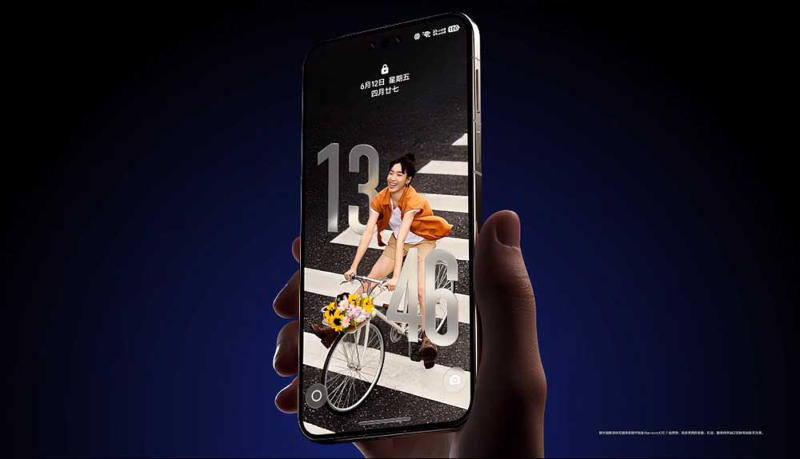
Huawei has unveiled HarmonyOS 7, a broad update for phones, tablets, PCs, wearables, and IoT devices that focuses on two things the company wants badly: more speed and more software smarts. The new release brings a built-in generative AI agent, a visual makeover with 3D-style personalization, and performance improvements Huawei says are strong enough to be felt in app launches, games, and streaming.
The timing is no accident. Smartphone makers are now treating AI features as a basic layer of the operating system, not a bonus app, and Huawei is pushing the same message with extra enthusiasm. The catch is that the pitch only works if the OS feels faster in daily use, which is why the company is leaning so heavily on performance claims alongside the AI language.
3D personalization and a more animated interface
One of the most visible changes is what Huawei calls spatial personalization: images can be turned automatically into 3D scenes and shown on the display, including the lock screen. Interface elements such as buttons and sliders also get an immersive lighting effect, which is an obvious nod to Apple Liquid Glass, though Huawei says its version is meant to feel more interactive and intuitive.
That sort of polish is nice, but it is also the easiest thing to demonstrate on stage. The harder job is making the interface feel responsive once users start hammering it with notifications, apps, and multitasking, which is where the rest of the update comes in.
HarmonyOS 7 AI agent and performance claims
Huawei says HarmonyOS 7 includes a built-in AI assistant powered by generative AI that can create text, fetch real-time information, and carry out system-level tasks. The assistant is also more deeply integrated into apps, with support for more commands and the ability to act on behalf of the user.
- HarmonyOS Intelligent Agent Framework 2.0 is now part of the system.
- Intent as a Service is designed to speed up AI task execution by more than 90%.
- Huawei claims overall performance is more than 15% better than HarmonyOS 6.1.
Those are the numbers Huawei wants everyone repeating, and they matter because operating systems live or die on perception as much as benchmarks. If the gains hold up outside a keynote demo, HarmonyOS 7 could be a meaningful upgrade; if they do not, the AI agent will just be another mascot with better manners.
Huawei Mate 80 Pro and the first devices to get HarmonyOS 7
Developer beta testing starts today for a long list of devices, including the Huawei Mate 80 Pro, Mate X7, Mate XT Master, Pura 90 Pro Max, Pura X, Pura X Collector’s Edition, and nova 15 Pro. The first phones to ship with HarmonyOS 7 preinstalled will be the Mate 90 series, which Huawei says is expected in September.
That rollout strategy is familiar: seed developers first, then use flagship hardware to make the software look inevitable. Samsung, Apple, and Google all do versions of this dance, but Huawei has more riding on it because HarmonyOS is still central to the company’s effort to build a self-contained ecosystem across phones, tablets, and PCs.
The real question is whether HarmonyOS 7’s AI layer becomes a feature people actually use every day, or just another talking point that fades once the next phone launches. If Huawei can keep the performance story attached to the AI story, it has a better shot at making the update stick.