

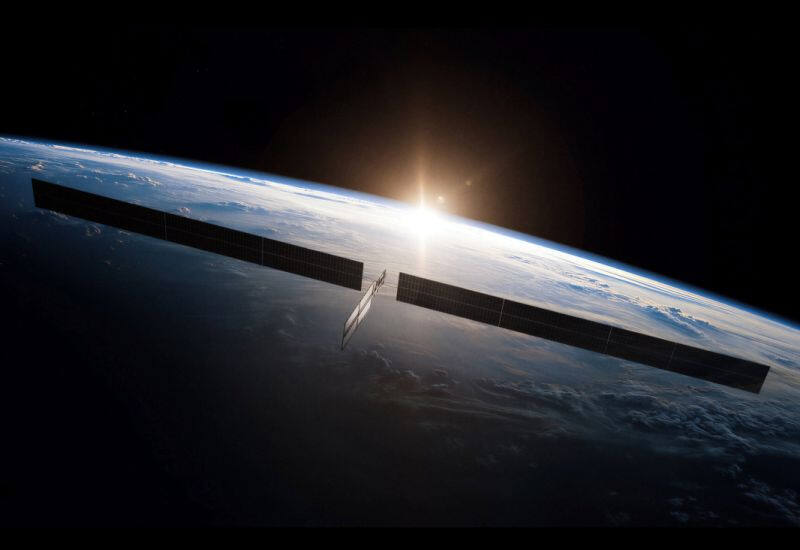
SpaceX is pitching giant orbital data centers, and the cooling choice may become the awkward part of the plan: liquid ammonia. The system would help move heat away from computing hardware in space, but it also makes deorbiting and disposal much messier than with Starlink satellites, which are designed to burn up far more cleanly in Earth’s atmosphere.
That is the trade-off hidden inside the shiny PowerPoint version of orbital data centers. You can build the thing, keep it alive, and even cool it efficiently – but if you want to get rid of it later, the chemistry starts to look less elegant. SpaceX has plenty of company here: the hard part of orbital hardware is often not launch, but what happens after the mission ends.
SpaceX orbital data centers: size and cooling specs
According to SpaceX’s presentation, each of the planned spacecraft would be about 70 m long and 20 m wide. Solar panels would provide a combined 150 kW of power, while heat would be removed by deployable liquid radiators with a total area of 110 m2. The company also plans to use extra pumps in the circulation system so the cooling loop can keep working in the absurdly unfriendly environment of space.
The technical shape of the project is less wild than it sounds. NASA and the International Space Station have already used ammonia-based thermal systems, so this is not some moonshot gimmick. The difference is scale: SpaceX is talking about a class of vehicle that is much larger than a typical satellite, which means more hardware, more mass, and more that can survive reentry if the disposal plan is sloppy.
Why ammonia makes disposal harder
Water is a poor fit for a vacuum system with extreme temperature swings, so experts expect SpaceX to use ammonia instead. Ammonia stays liquid at much lower temperatures than water, which makes it practical for spacecraft cooling – but also toxic, which is exactly why you do not want it casually vaporizing on the way down.
- Starlink satellites are meant to burn up in the atmosphere.
- Ammonia makes that clean disposal path much harder.
- Big orbital data centers would also carry more components that may not fully burn on reentry.
That creates a familiar space-policy problem dressed up in AI-era branding: build fast, deploy massive infrastructure, and worry about orbital clutter later. SpaceX says these satellites would have a planned lifespan of five years, which sounds manageable until you imagine a fleet of very large machines being replaced on a schedule.
Elon Musk downplays orbital debris concerns
Elon Musk brushed off the debris concern, arguing that space is huge and that orbital space will not be ”overpopulated” by artificial objects. He also repeated a familiar line: ground-based data centers create plenty of environmental problems too. That argument may play well in a keynote, but regulators and orbital-debris specialists are likely to look harder at the cleanup bill than at the pitch deck.
The open question is simple: can SpaceX make orbital computing commercially useful without turning low Earth orbit into an expensive parking lot of dead hardware? If the company moves ahead, the cooling system may end up being the easiest part to engineer – and the hardest part to retire.