

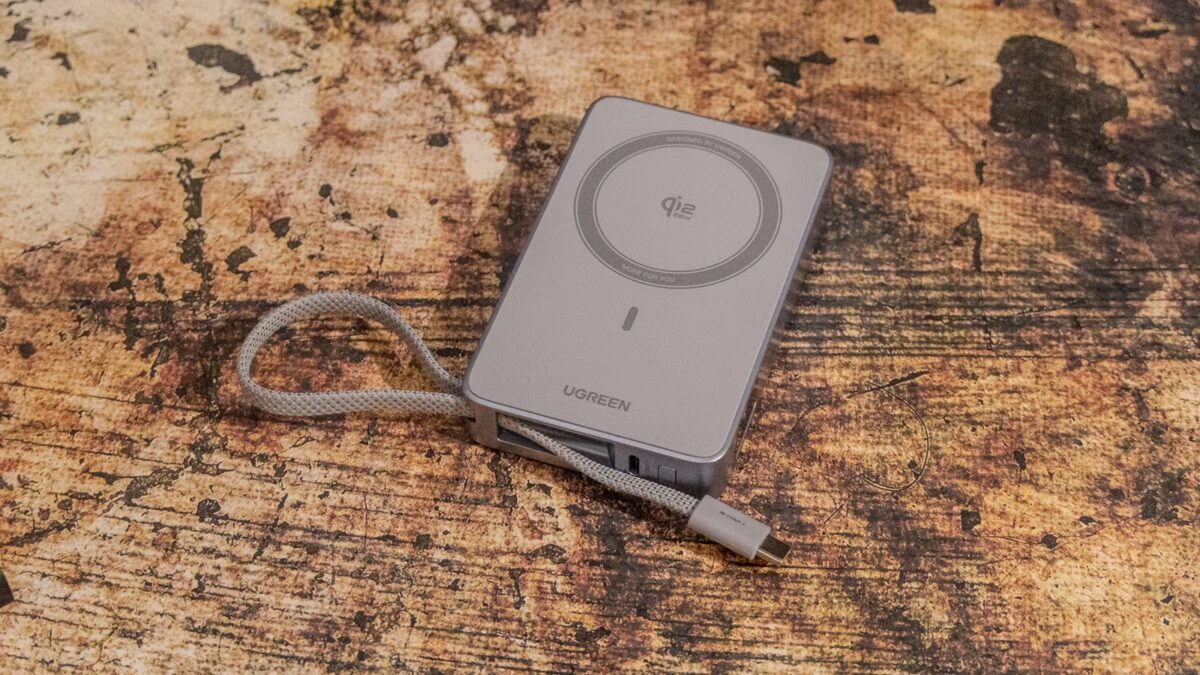
When Ugreen launched the MagFlow in August 2025, it came with a straightforward pitch: the world’s first Qi 2.2-certified power bank delivering 25W wireless charging. While competitors were still digesting the new Qi standard, Ugreen was already on shelves with a fully ready product. Months of real-world testing confirm the headline claim holds up-but, as always, the details reveal the trade-offs.
What’s inside the Ugreen MagFlow 25W box
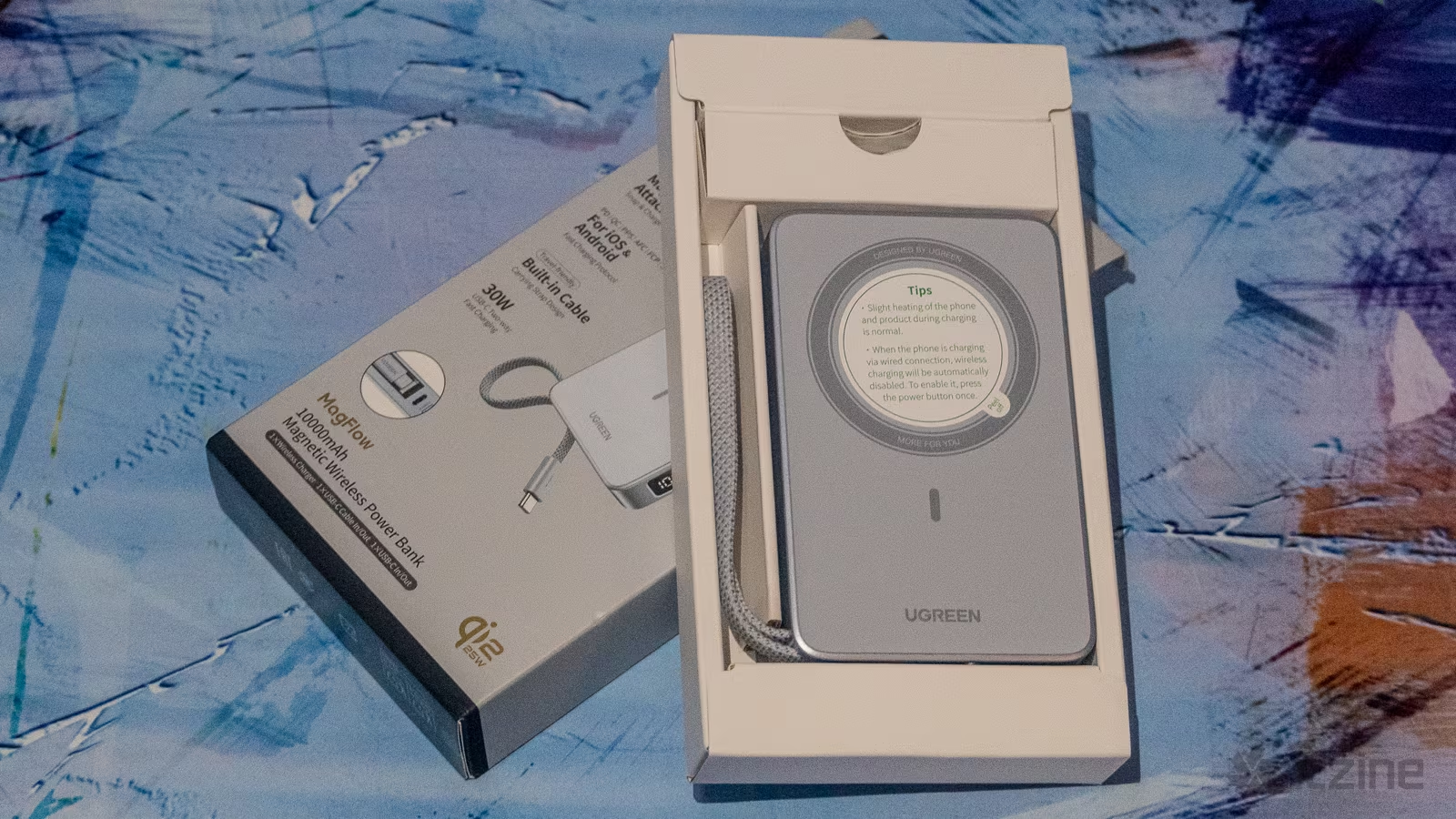
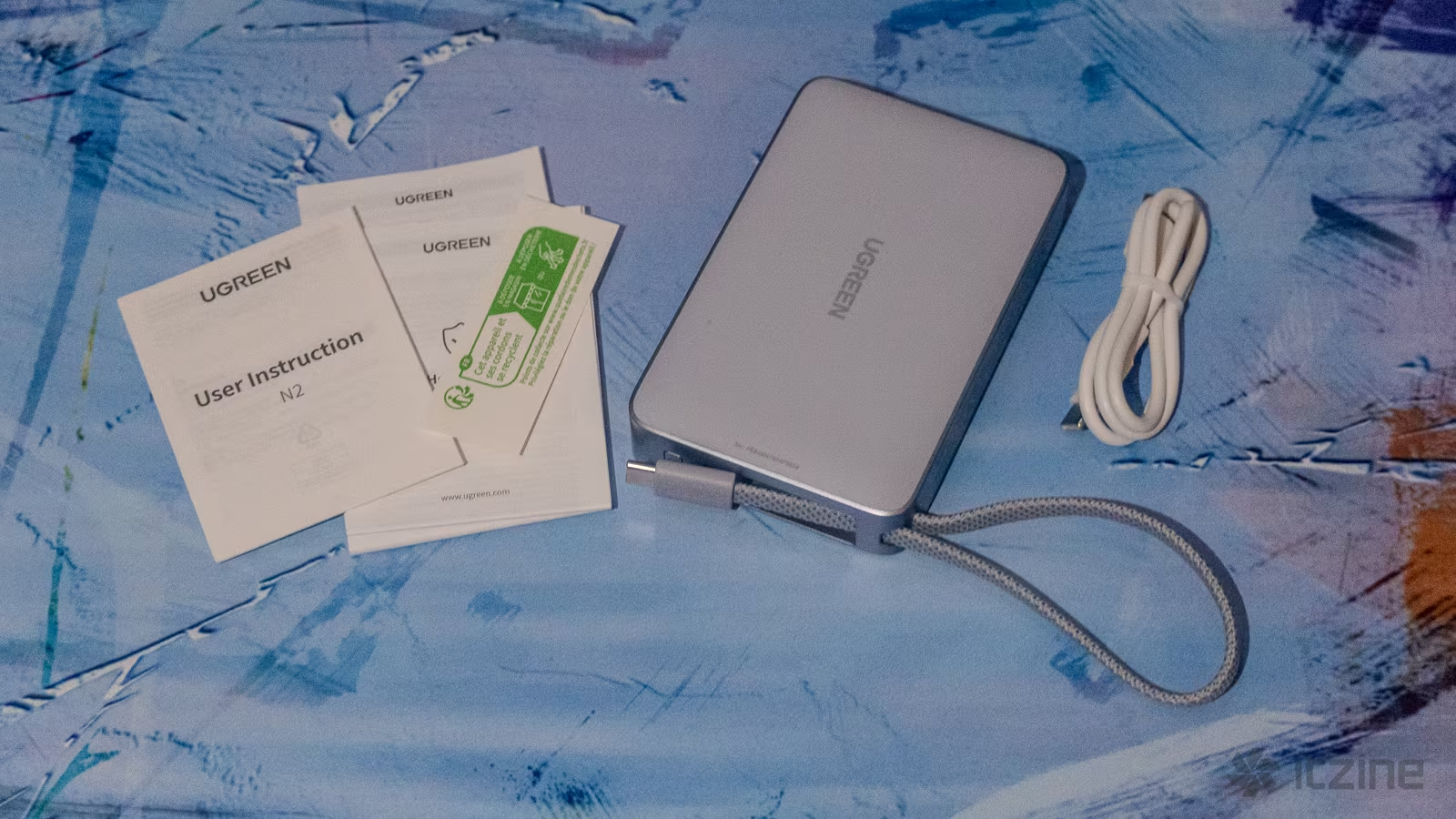
The unboxing experience is clean and minimal: a white cardboard box with a molded insert, the power bank itself, a short USB-C cable, and a manual. Ugreen avoids unnecessary plastic packaging – a small but welcome touch.
Design and build quality of the Ugreen MagFlow 25W
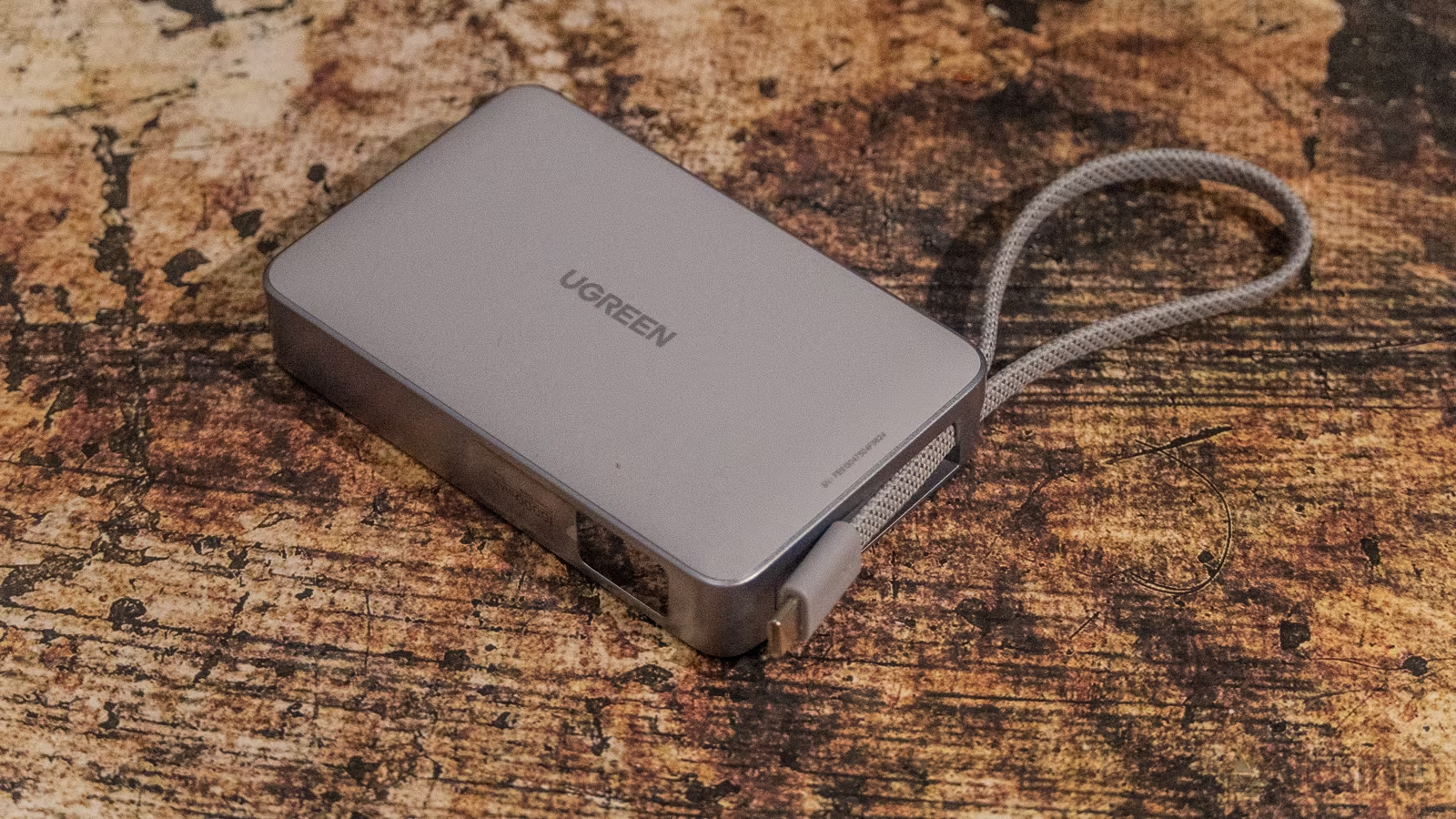
The MagFlow comes in four colors: Mist Blue (a muted grayish-blue), black, white, and orange. Its plastic chassis sports a matte finish that resists fingerprints and isn’t easily scratched by keys. The build feels solid, with no creaks or looseness. It looks understated and modern-far from premium flagship styling but definitely stylish.
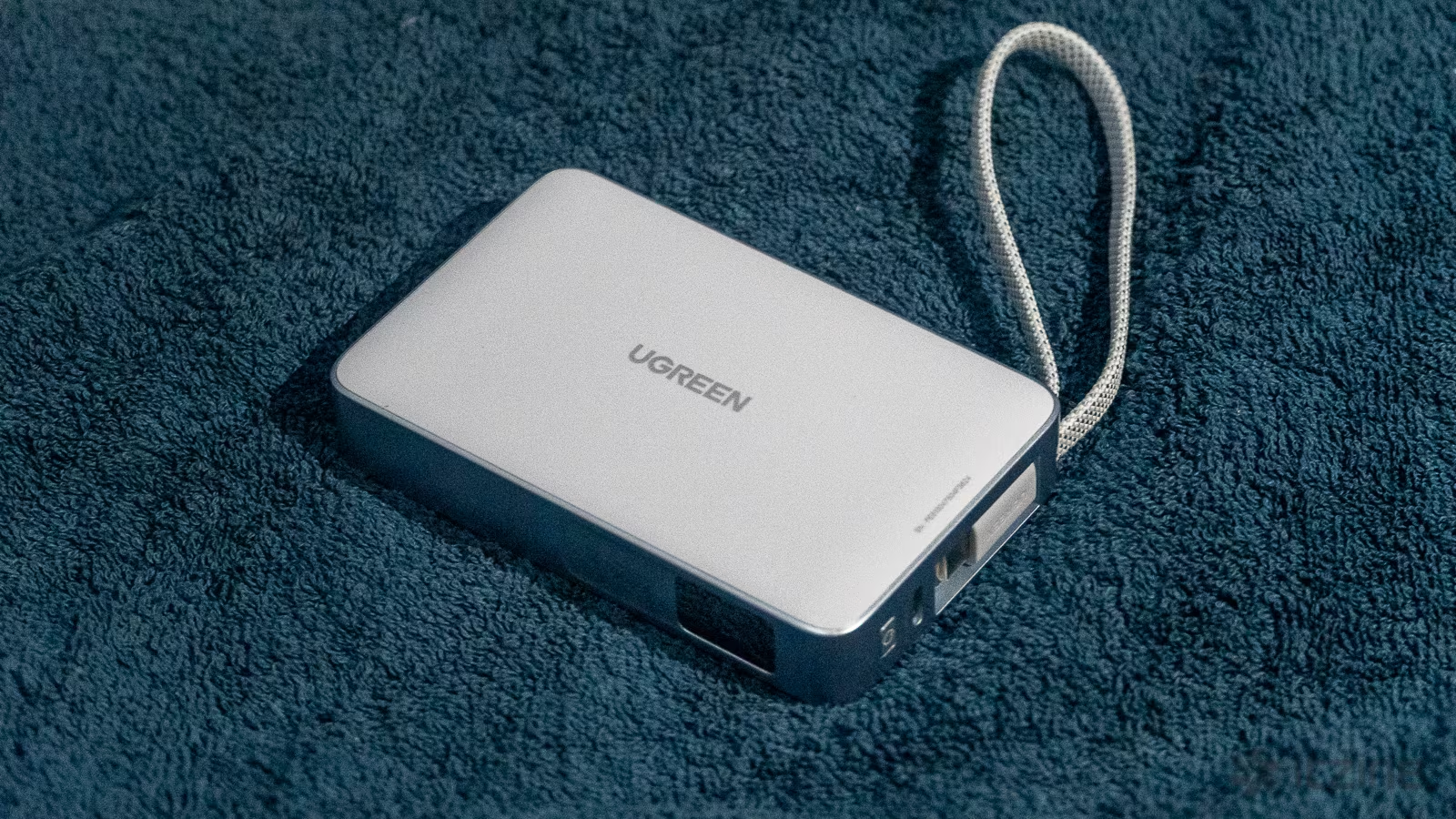
At 110.7 × 69.3 × 21.1 mm and weighing 254 grams, the power bank is noticeably substantial. However, when magnetically attached to your phone, the weight distributes evenly and feels surprisingly light. Slip it into a jacket pocket, though, and you’ll definitely feel it.
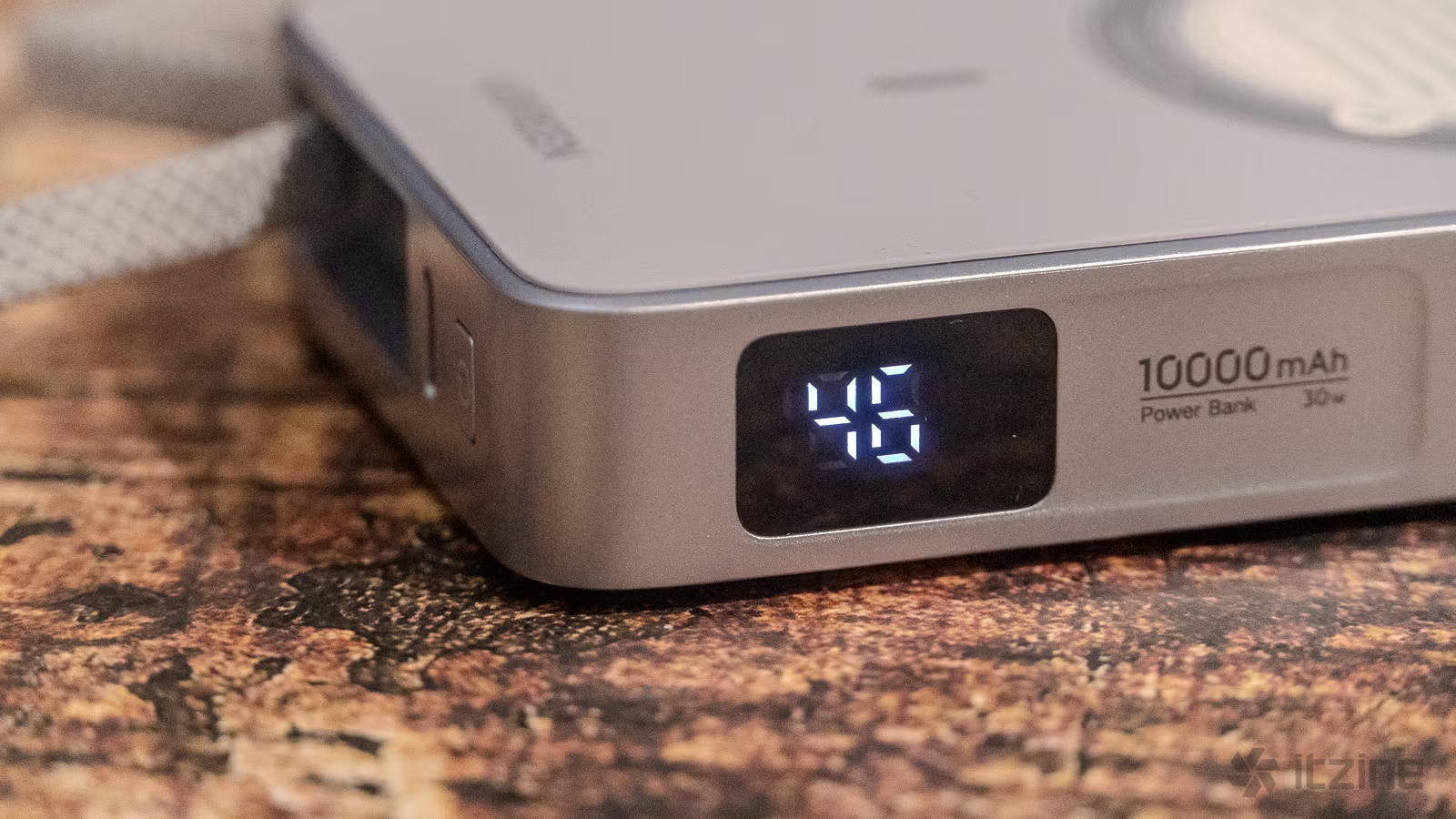
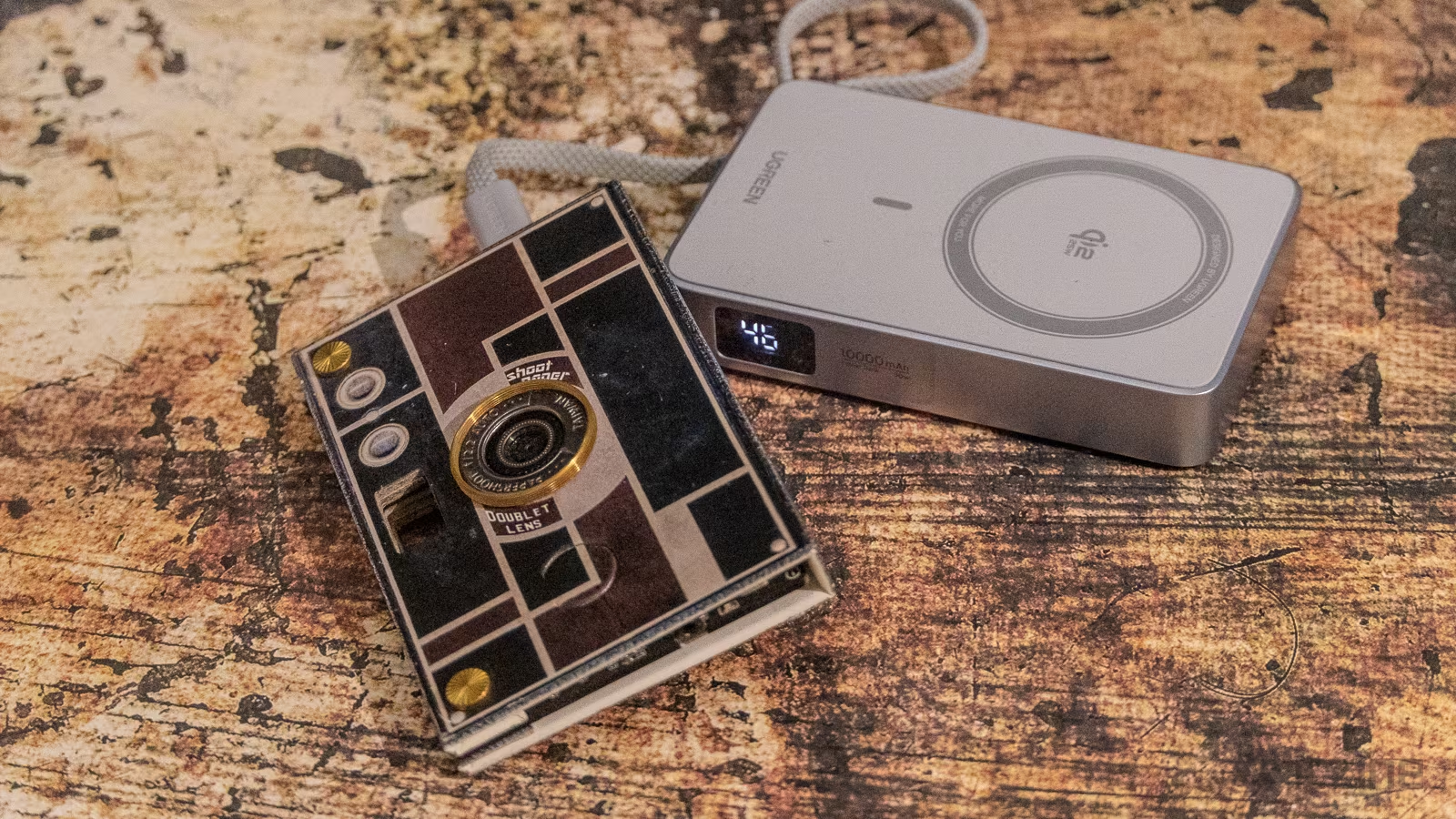
A small digital display sits on the right edge, showing exact battery percentage. It’s a subtle but valuable feature – once you get used to this, those three blinking LEDs feel archaic. What’s missing? The display doesn’t report real-time charging wattage, a detail some Anker models offer.
Built-in cable: convenience meets durability
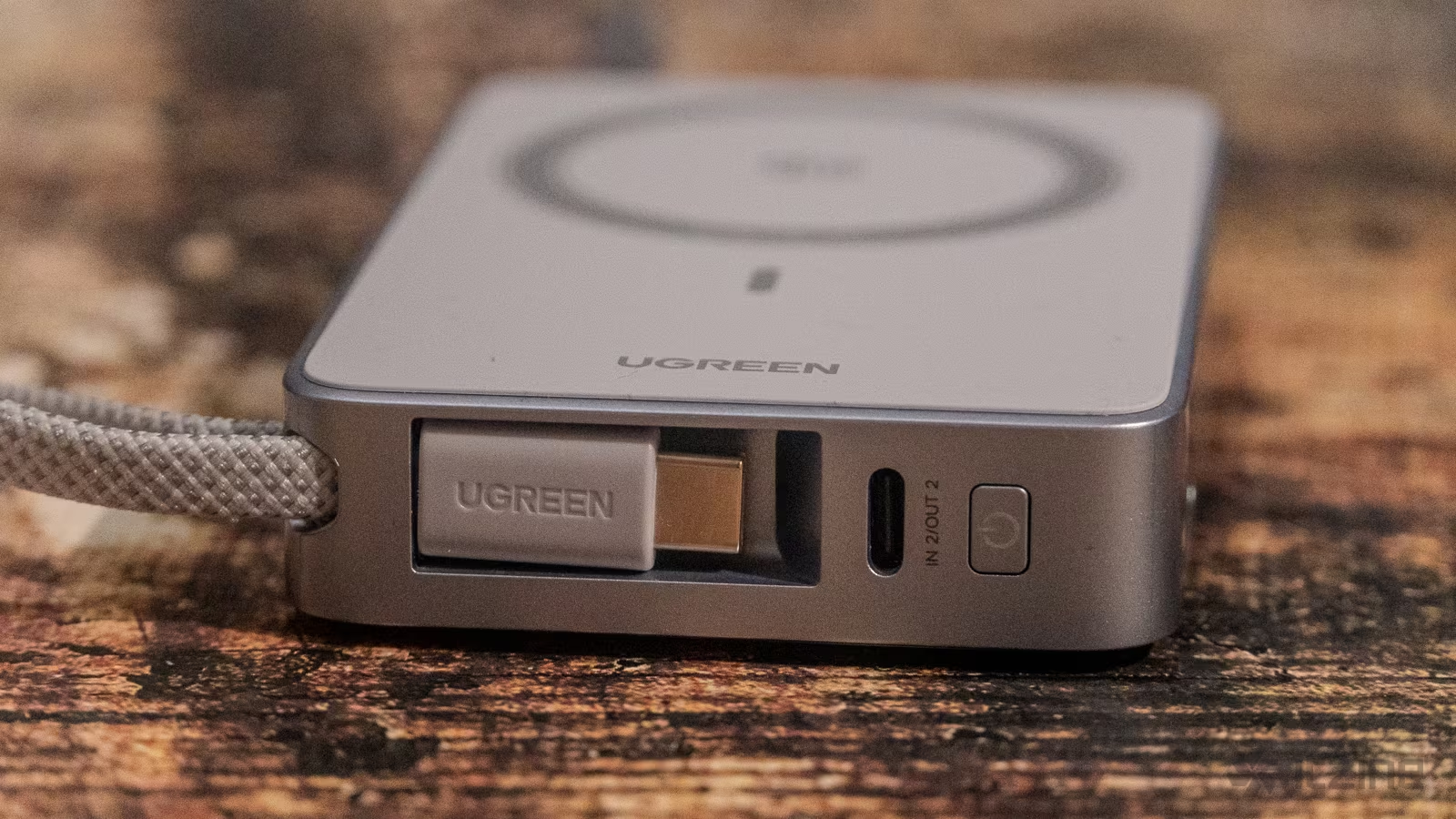
The MagFlow’s braided USB-C cable is integrated into the body and doubles as a carrying loop – one of the product’s standout ideas. You’ll never lose or forget it, and there’s no need to dedicate a pocket to a separate cable. Ugreen claims a bend life of 10,000 cycles. While you can’t replace it if it breaks, this durability should be enough for several years of typical use.
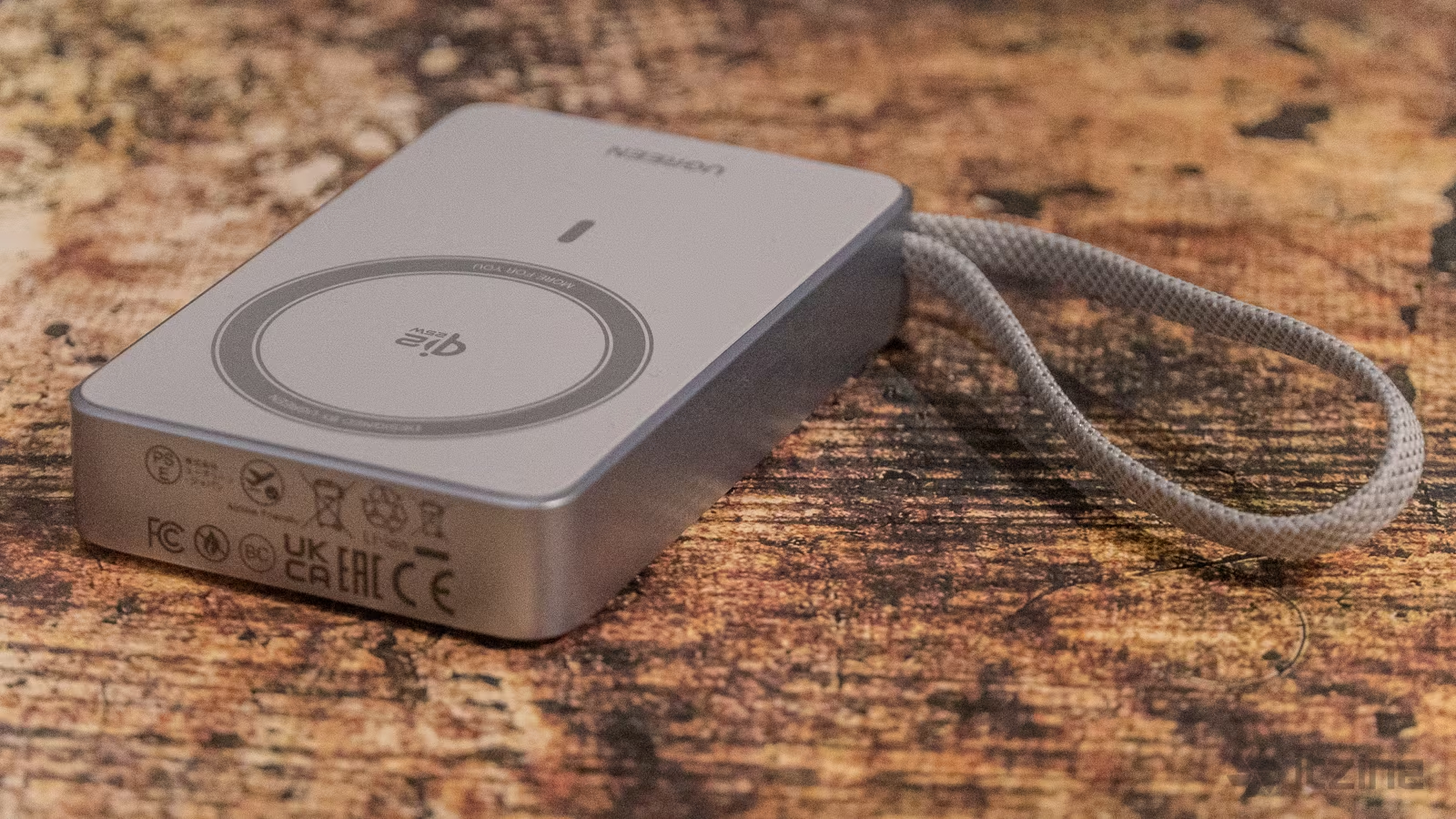
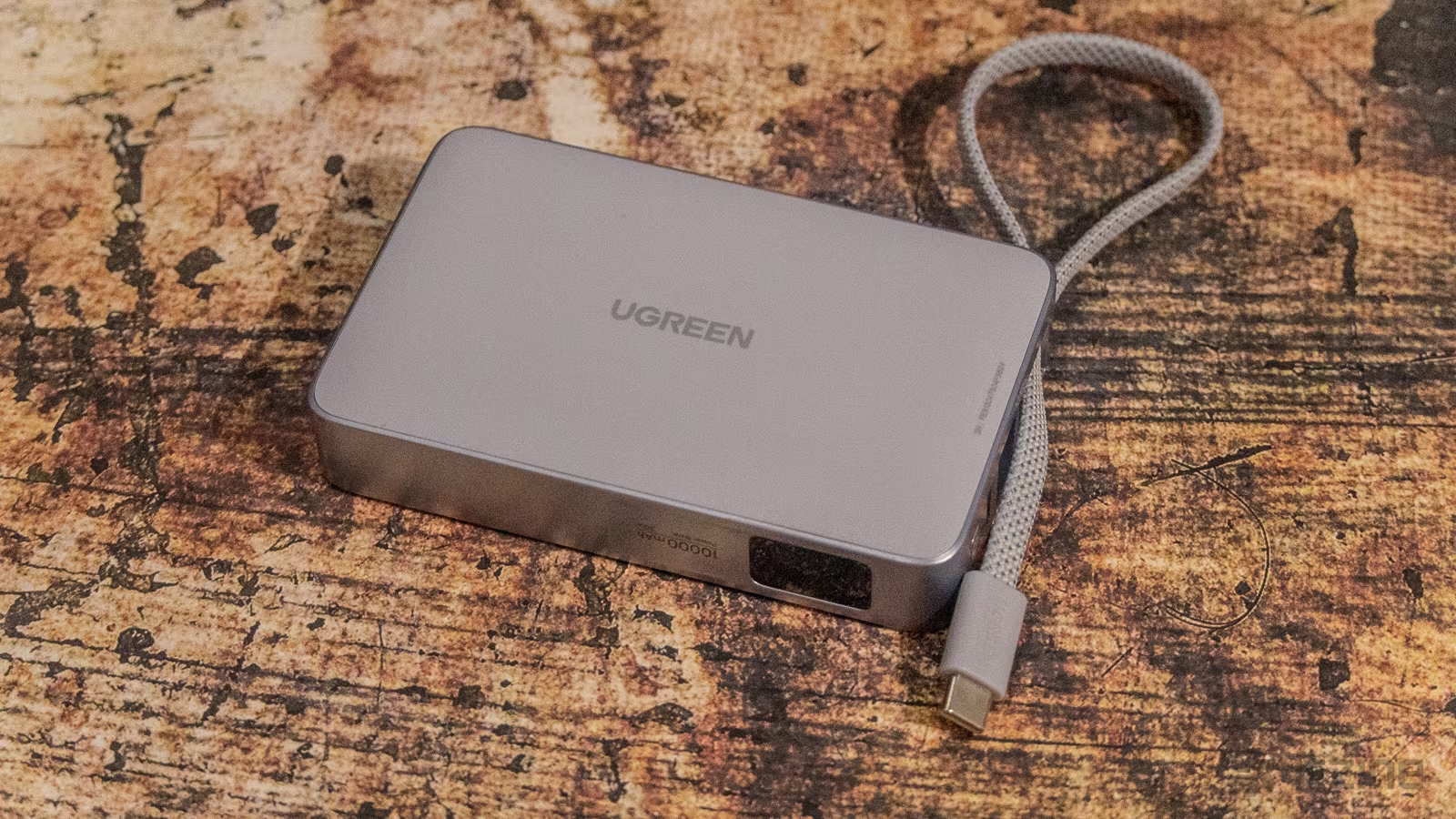
One minor gripe: when you’re charging your phone wirelessly, the cable just dangles nearby doing nothing. It looks a bit awkward-not a dealbreaker, but noticeable.
Magnetic connection performance of Ugreen MagFlow 25W
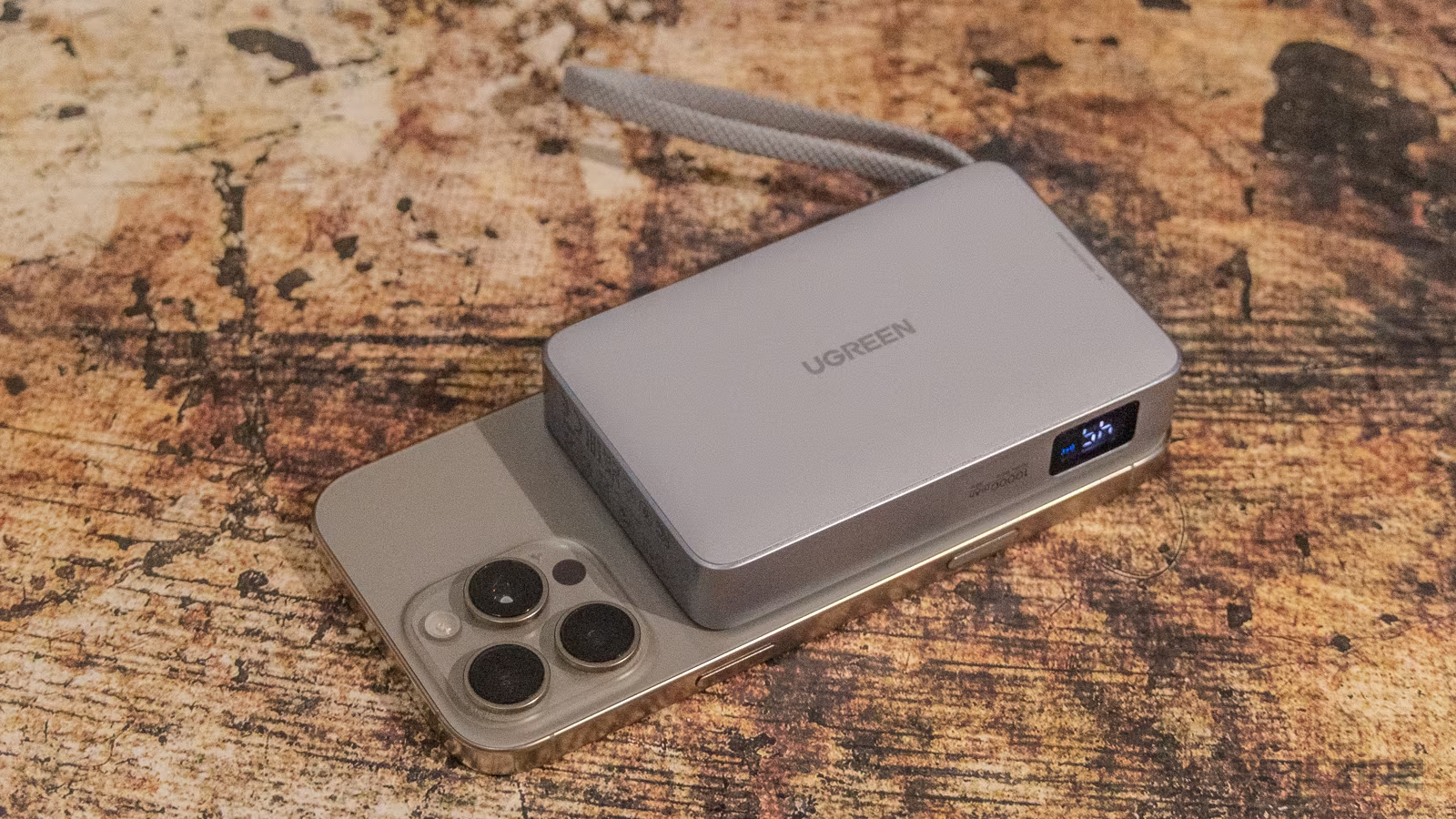
Inside are 17 N52-grade magnets exerting a holding force of 9 newtons. The snap when attaching the power bank to your phone is solid and definite, and there’s no shifting while walking or during active use. That’s a key point: cheaper MagSafe-style banks often lose connection or overheat with the slightest displacement. We tested the MagFlow extensively in real conditions and encountered no issues.
Wireless charging speed performance
This is the MagFlow’s standout feature: its 25W Qi 2.2 wireless charging is about 30% faster than the standard 15W MagSafe charging. Testing on an iPhone 16 Pro running iOS 26 showed it took 32-33 minutes to reach 50% battery-compared to 44-45 minutes at 15W. Those 10-12 saved minutes are tangible in everyday use.
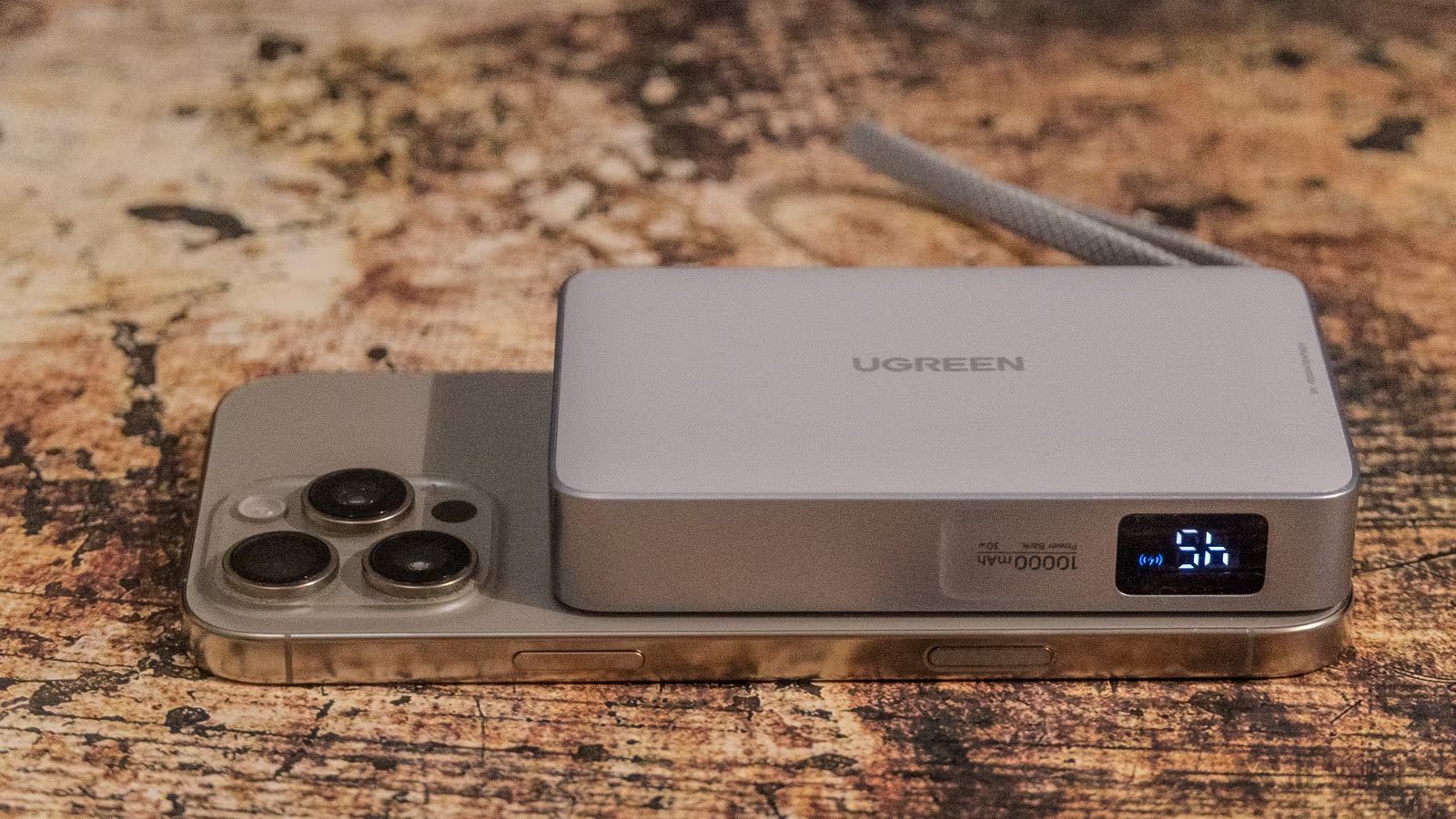
A critical caveat: the full 25W charging over MagSafe only works with the iPhone 16 and 17 series running iOS 26 or newer. The iPhone 15 and earlier models are capped at the standard 15W, no faster than any other Qi 2.0/2.1 power bank. We confirmed this with an iPhone 15 Pro, which took 44 minutes to hit 50% without any speed gains.
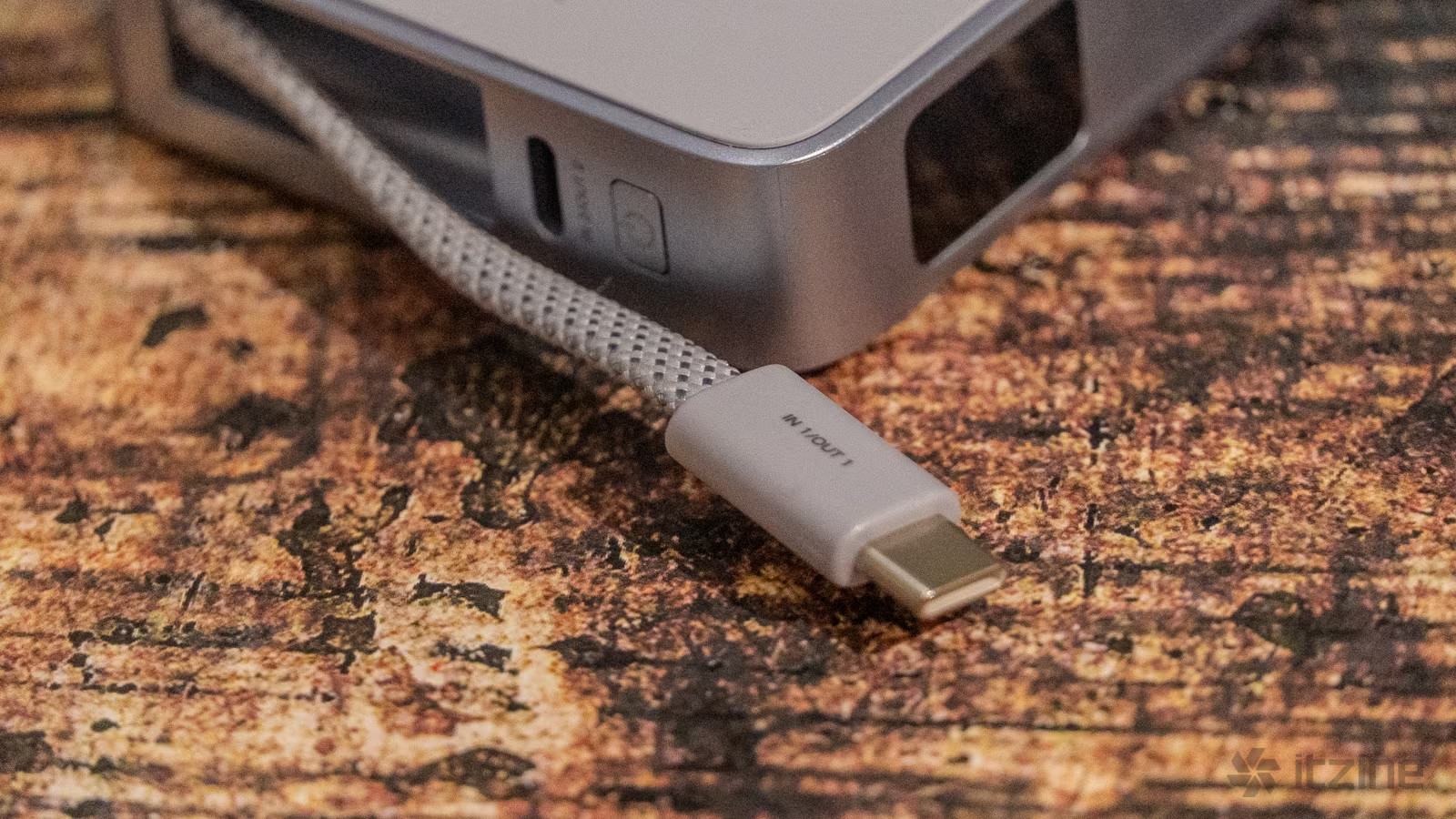
Wired charging is even quicker: the built-in cable supports up to 30W, bringing an iPhone 16 Pro Max to 50% in around 28 minutes. The power bank itself charges from empty in 2 to 2.5 hours at 30W input. You can charge three devices simultaneously – wireless plus two USB-C ports – but under full load the output drops to about 12.5W per port, making charging noticeably slower.
Heat during charging stays moderate. On some Android phones, prolonged wireless charging triggers thermal throttling, but on iPhones this was not an issue. And thanks to the integrated cable, you can always fall back on wired charging-no extra cords needed on the go.
Real battery capacity in practice
In our tests, the MagFlow fully charged an iPhone 16 Pro and still had 44% charge remaining. That translates to about 144% effective capacity relative to the iPhone battery, which is average for 10,000mAh-class power banks.
- Baseus PicoGo AM61: 167%
- EcoFlow RAPID 10K: 190%
- Anker MagGo Slim: 188%
The reason for this gap boils down to physics: fast wireless charging generates more heat, wasting energy into the environment rather than transferring it to your device. Wireless efficiency sits around 70%, while wired charging reaches roughly 95%. In this case, MagFlow opts for speed over maximum capacity.
Its nominal capacity is 36Wh, well under the 100Wh limit imposed by airlines, and it carries a 3C safety certification required for flights via China (valid for recent revisions; buyers should verify before travel).
Frequently asked questions about Ugreen MagFlow 25W
-
Does it work with iPhone 15 or older?
Yes, but only at 15W wireless charging speed, like any other Qi 2.0/2.1 power bank. The full 25W speed is exclusive to iPhone 16 and 17 running iOS 26 or later.
-
Is it allowed on airplanes?
Absolutely. Its 36Wh capacity is well below the 100Wh limit. It also holds a 3C certification for flights involving China, but only certain recent versions have this-check before flying.
-
What happens when charging three devices at once?
It works, but each device gets around 12.5W. This is fine for emergencies but slower than single-device fast charging.
-
Why is actual capacity less than 10,000mAh?
Voltage conversion and wireless charging efficiency losses (around 70%) cause this shortfall-standard across the industry.
-
Does it support pass-through charging?
Yes. Plug the power bank into a wall outlet, and it will charge itself while simultaneously charging your device.
-
What cable should I use to charge the power bank?
You can use either the built-in cable or the included USB-C cable.