

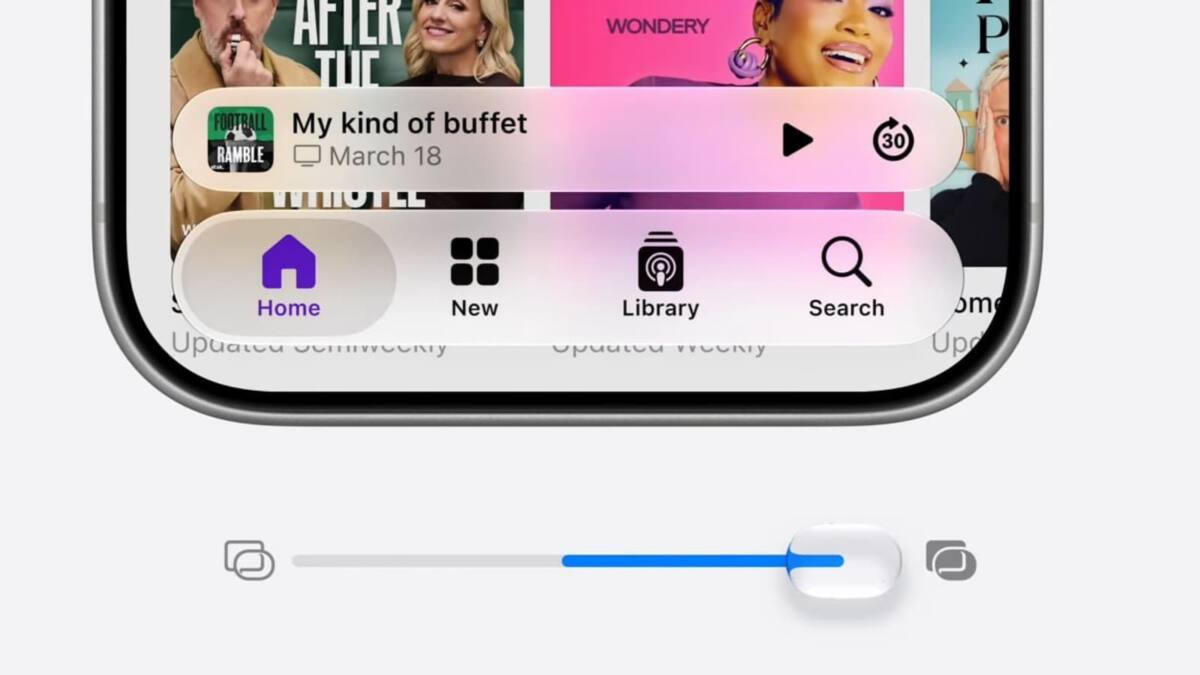
Apple used WWDC to push iOS 27 and iPadOS 27 toward a more obvious AI pitch, but the bigger story is how hard the company is trying to make that pitch feel native rather than bolted on. Siri AI gets its own app, deeper system hooks, and broader access inside Apple’s standard apps, while Liquid Glass returns with more control over transparency and sharper, higher-contrast visuals.
The timing is standard Apple: developer builds are out now, public beta lands next month, and the full release is due in the autumn. That puts Apple in the same release cadence it has used to keep competitors guessing while it polishes the bits most users will notice first – speed, polish, and the occasional dramatic reassessment of what ”assistant” should mean.
Siri AI gets a larger role
Apple is clearly betting that a refreshed Siri can do more damage to rival assistants than another round of feature checklists. The new version is tied tightly to Apple Intelligence and shows up across familiar apps, which is the smart part: users are more likely to try AI when it appears inside Mail, Photos, or Calendar than when it hides behind a separate novelty screen.
The accessibility upgrades are just as important. VoiceOver now describes images in more detail, creates subtitles for video, and translates existing subtitles into other languages. That is the sort of improvement Apple likes to frame as a side benefit, but it also widens the gap with platforms that still treat accessibility as a compliance box rather than a core feature.
iOS 27 focuses on speed and control
Apple says app launches are 30% faster, photo loading in the library is 70% faster, and AirDrop transfers can be up to 80% faster. Those are the kinds of numbers that make a beta feel more tangible than any keynote phrase about ”magic,” and they suggest Apple knows that most people still care more about waiting less than about having another button to press.
- App launches: 30% faster
- Photos in the media library: 70% faster to load
- AirDrop: up to 80% faster transfers
Mail also gets a smarter search system that pushes the most relevant results to the top, while network switching between Wi-Fi and mobile data is supposed to feel smoother. That last bit matters more than it sounds; Apple and Android rivals have spent years selling ”smart” features, but the smallest invisible fixes are often the ones users actually remember.
iCloud opens up to Android and Windows
One of the stranger but smarter changes is expanded support for shared iCloud albums. Android and Windows users can now join family and group albums, then upload photos and videos in full resolution. Apple is still keeping the walls up elsewhere, but this is a practical concession in a world where households rarely live inside a single operating system.
Apple Maps is getting attention too, with a more detailed Flyover mode and broader GymKit support. The fitness feature now works with iPhone and new AirPods Pro 3, not just Apple Watch, which feels like Apple trying to make its own hardware stack look less fragmented without admitting it had a fragmentation problem in the first place.
iPadOS 27 leans into files and creation
On the iPad side, Apple is pushing content creation and storage handling harder. Users can turn photos and clips into full slideshow projects, choose duration, music, and transitions, then export the result as a standard video file. Calendar also becomes less fussy, with events created and edited through plain text or voice descriptions.
The standout upgrade is external storage. Apple says file transfer and browsing speeds on connected flash drives and hard disks are now several times faster, which should make iPad users with large media libraries or work files much happier. That is the sort of upgrade that rarely gets applause on stage but can quietly change how seriously people take the tablet.
The open question is whether Apple’s AI push feels genuinely useful by the time these releases ship, or just better packaged than everyone else’s. If Siri AI really becomes the front door to the system instead of a mascot with better branding, Apple may have something bigger than a yearly software refresh on its hands.