

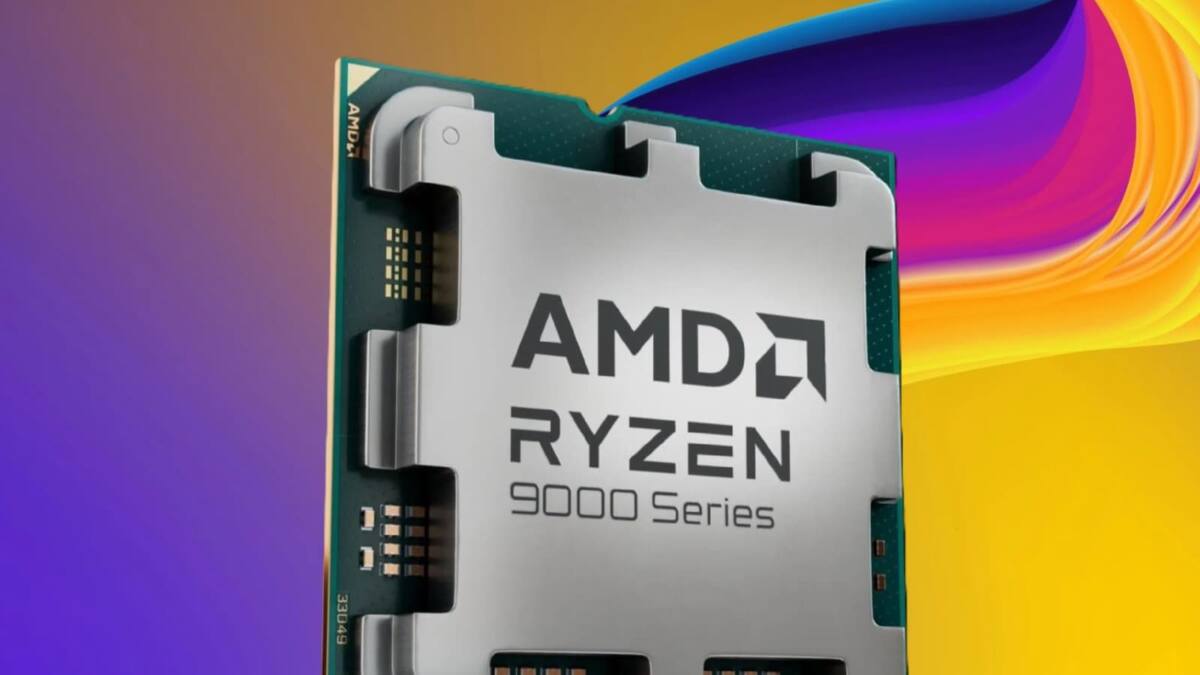
AMD’s next CPU generation may arrive with an eye-watering headline number: 6.5 GHz out of the box. A new Zen 6 leak, codenamed Medusa, suggests desktop parts could push boost clocks to 6.6 GHz and possibly even 7 GHz, while AMD also reshapes its laptop lineup around stronger integrated graphics instead of just piling on more cores.
The source is the familiar leak machine Moore’s Law Is Dead, so the usual caution applies. But if these numbers hold up, AMD Zen 6 would move past Intel’s current consumer speed champion, the Core i9-14900KS, which tops out at 6.2 GHz. That is the kind of spec race chipmakers still love to fight, even if real-world gains are usually less dramatic than the marketing slide makes them look.
Zen 6 desktop chips and the TSMC N2X node
According to the leak, AMD plans to use TSMC’s N2X process for the processor chiplets in the new generation. That 2nm-class move is what supposedly makes the higher clocks possible. In other words, this is not just AMD cranking voltage and hoping for the best; the company appears to be betting that a newer manufacturing node can buy it more frequency headroom than today’s chips allow.
- Zen 6 performance cores: 6.5 GHz
- Desktop boost: 6.6 GHz or higher, potentially up to 7 GHz
- Manufacturing: TSMC N2X
- Direct rival at the top end: Intel Core i9-14900KS at 6.2 GHz
Medusa laptops split into Point, Halo Mini, and Halo
The laptop side looks even more interesting. The leak says AMD is lining up multiple Medusa variants, and they are not just differentiated by core count. The base Medusa Point model is said to offer up to 10 Zen 6 cores with RDNA 4 graphics for mainstream notebooks, which is sensible enough. The more eye-catching option is Medusa Halo Mini, a 14-core chip paired with RDNA 5 graphics that may land around GeForce RTX 4060 territory.
At the top sits Medusa Halo, a 26-core monster with even stronger graphics. That direction mirrors what AMD has been doing in recent generations: use the CPU as a platform story, but make the integrated GPU do more of the heavy lifting. Intel has followed a similar path in its own mobile chips, and the pressure on discrete GPU makers is obvious whether they like it or not.
Alpha Trion could spread across PCs, laptops, and Xbox
Another part of the leak mentions a new graphics chiplet architecture called Alpha Trion. If true, AMD would use it in desktop graphics cards, mobile processors, and the next Xbox generation. That would be a neat little supply-chain trick: one architecture, several product categories, fewer engineering dead ends.
For the budget end of the lineup, AMD is reportedly preparing Bumblebee, a six-core Zen 6 chip with RDNA 4 graphics. That would give the company a cleaner entry stack, something it has often needed when rival chips dominate shelf space in cheaper laptops and PCs.
AMD Zen 6 release timing
For now, the timeline points to the first half of 2027 for desktop Zen 6 processors and Medusa Point mobile chips, with an official reveal likely at CES 2027. That is a long wait, and plenty can change before then, but the broad shape of the plan is already clear: AMD wants Zen 6 to be a frequency story and a graphics story at the same time. If that sounds ambitious, it is – and it is also exactly the sort of move that keeps the CPU market from becoming a very boring spreadsheet.