
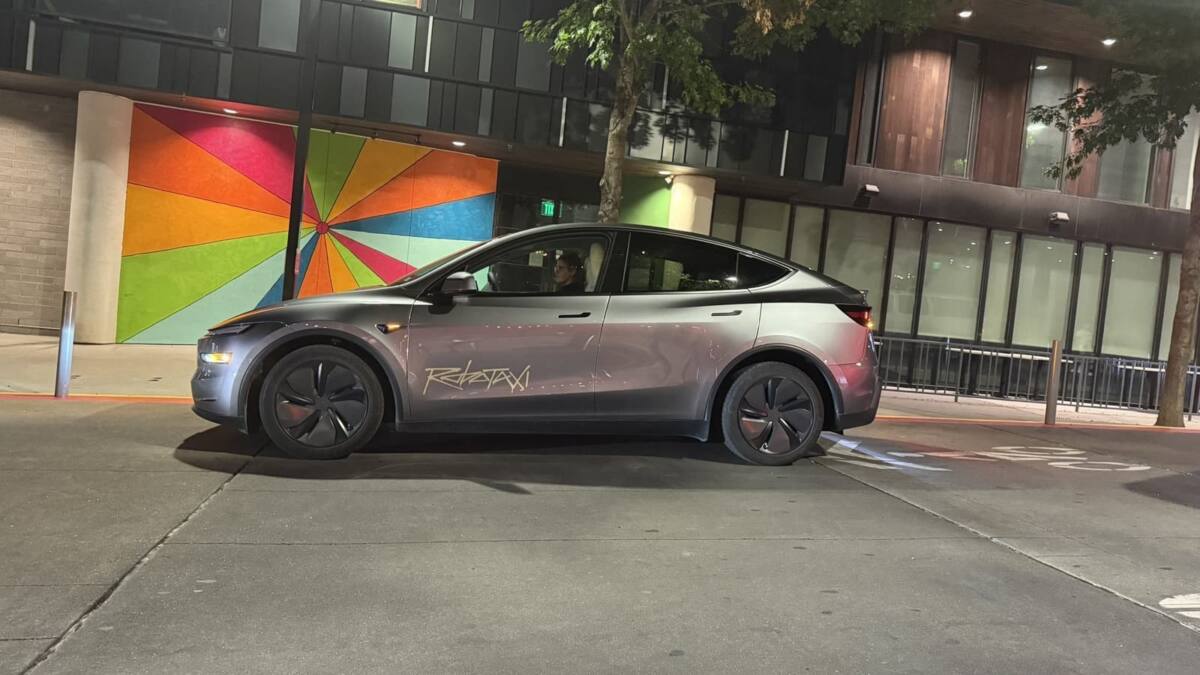
Tesla has expanded its driverless robotaxi service in Austin to cover the entire Austin metro area, but the bigger story is how small the fleet still is compared with Waymo. The company is pushing Full Self-Driving as a pillar of its future, yet riders in Austin can still wait more than 30 minutes for a car.
The service has been running in the city for almost a year, and the latest move removes the driver-monitor requirement across a much larger footprint. That sounds impressive until you look at the numbers: city officials say Tesla has about 50 autonomous vehicles in Austin, while Alphabet-owned Waymo operates more than 250 in the same region. Scale, as ever, is doing a lot of heavy lifting here.
Tesla’s Austin robotaxi fleet is still tiny
Compared with Waymo, Tesla is still in the early innings of commercial autonomy. The gap is not just about bragging rights; it affects wait times, service reliability, and how quickly a robotaxi network starts to feel normal instead of experimental.
- Tesla robotaxis in Austin: about 50
- Waymo robotaxis in the same region: more than 250
- Current service area: the full Austin metro area
FSD is the bet behind the rollout
The expansion fits Elon Musk’s broader pivot toward AI and robotics rather than simply chasing more electric-car sales. Tesla has also taken the service to Dallas and Houston, and it wants autonomous transport to become one of its main growth engines in the years ahead. That is a bold plan for a company that is still proving it can scale the basics of ride service, not just the software pitch.
Musk has said fully autonomous cars without a safety driver should become more common in the US before the end of the year. Tesla is already operating the technology commercially in Texas, which gives the company a real-world test bed – and rivals a front-row seat.
What Austin reveals about the robotaxi race
The Austin expansion is a clear signal that Tesla wants to look less like a demo and more like a transportation company. The catch is that Waymo still has the lead where it matters most: more vehicles, more maturity, and fewer signs that demand is outrunning supply. If Tesla can cut those long waits while growing the fleet, the story changes fast. If not, Austin remains a neat headline wrapped around a very small rollout.