

Voyager Technologies is buying Astrobotic Technology for about $300 million, a move that turns a pair of lunar specialists into something far more ambitious: a vertically integrated supplier aimed squarely at NASA’s long-term Moon plans. The deal gives Voyager a bigger role in cargo delivery, surface power, and habitat support as the U.S. space agency leans harder on commercial partners for lunar infrastructure.
Astrobotic will fold entirely into Voyager once the transaction closes, with its Pittsburgh office becoming the hub for the combined company’s lunar business. That matters because NASA’s Moon program is drifting away from one-off demos and toward recurring infrastructure buys, and companies that can offer a full stack tend to win the attention – and the contracts.
Voyager’s lunar stack now spans more of the mission
Voyager chief executive Dylan Taylor says the company is building the infrastructure base for a sustained U.S. presence on the Moon. Strip away the corporate gloss and the pitch is clear: one owner, more pieces of the puzzle, fewer handoffs between vendors.
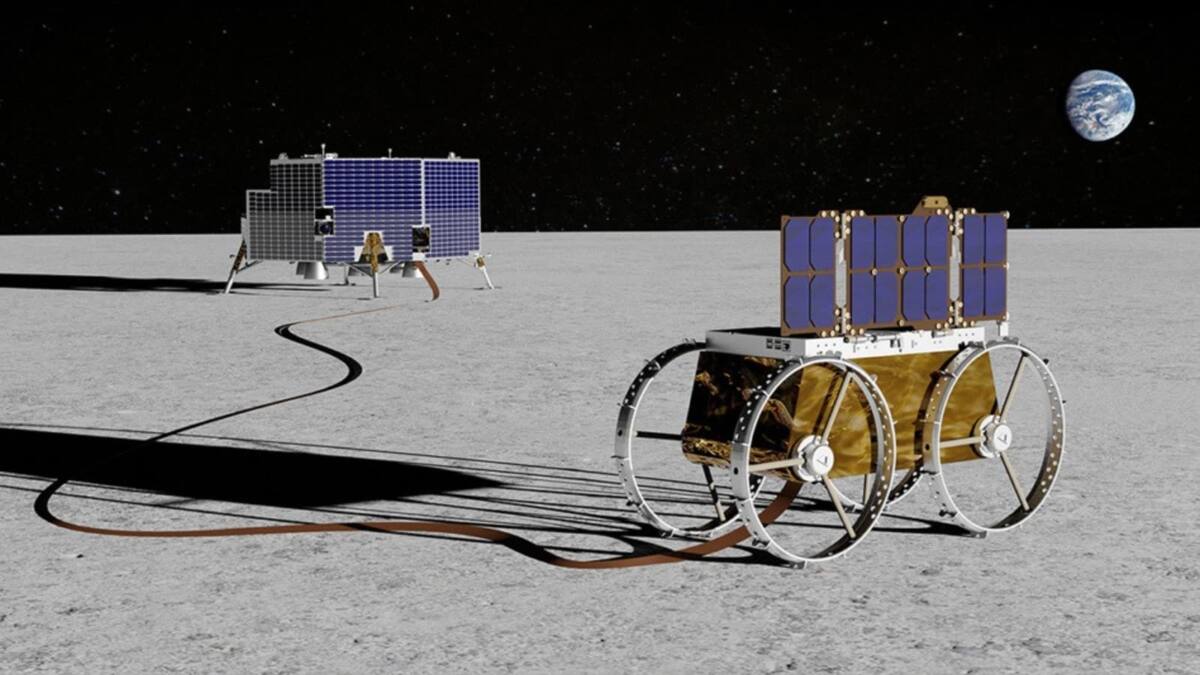
That portfolio is getting crowded in a useful way. Voyager already invested in Max Space, which is developing expandable orbital and lunar habitat modules, and Astrobotic adds landing systems plus surface power work through LunaGrid, its concept for a distributed lunar energy network using solar generation and energy transfer between nodes. Power is the unglamorous part of lunar survival, which is exactly why it matters.
NASA’s Griffin Mission One gave the deal extra weight
The timing is not accidental. NASA said last week that Griffin Mission One, Astrobotic’s mission under the Commercial Lunar Payload Services program, will be used for Moon Base II, an early infrastructure deployment tied to a future lunar base. That makes Astrobotic more than a nice technical add-on; it is already positioned inside the agency’s near-term lunar roadmap.
- Deal value: about $300 million
- Astrobotic becomes fully integrated into Voyager
- Pittsburgh will host the combined lunar center
- Coverage spans cargo delivery, power, habitats, and surface support
The commercial Moon race is consolidating
This is also a sign of where the U.S. commercial lunar sector is heading: fewer boutique contractors, more platform companies. Space hardware is expensive, timelines are long, and NASA wants repeatable capabilities rather than a pile of disconnected point solutions. Horizontal vendors may still get work, but the firms that bundle transport, energy, living systems, and operations will have a cleaner sales pitch.
Expect Voyager to use this deal to chase a broader set of NASA competitions, especially as future missions demand not just a landing but a functioning outpost. The open question is whether this kind of consolidation produces a more reliable lunar supply chain or just a larger company with more things to juggle. Probably some of both – which is usually how the space business works.