

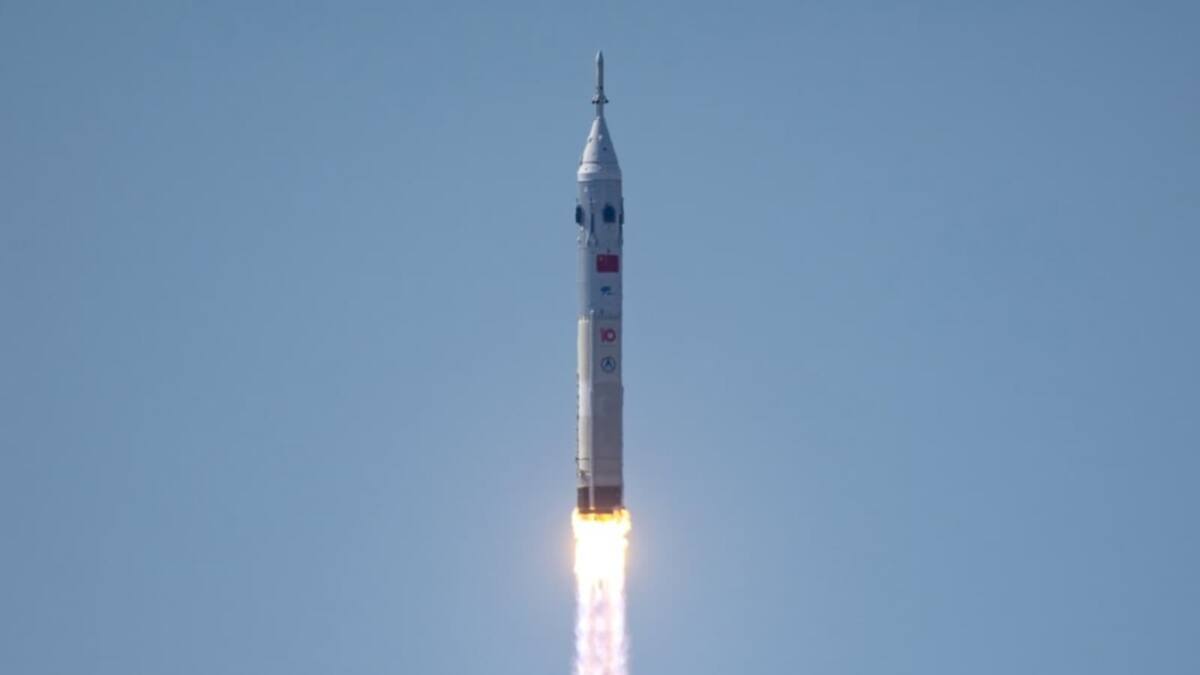
China has overhauled its lunar program to keep a crewed Moon landing on track for no later than 2030, folding once separate efforts into a single state-backed plan and saying it will ”spare no effort” to get there. The new China Moon landing plan comes as Beijing tightens its lunar push just as the US also reworks its own lunar ambitions, which tends to happen when space programs start feeling a little less theoretical and a lot more competitive.
The new structure links the human Moon mission, the Chang’e robotic series, and Tiangong station work that can support lunar preparation. That should make it easier to move technology between projects and cut testing time, at least on paper – the kind of bureaucratic cleanup space agencies love to announce right before the hard engineering begins.
What China put under one lunar plan
According to CMSA spokesman Zhang Jingbo, the big shift is organizational: the previously scattered pieces now sit inside one integrated program, even if CMSA keeps its own chain of command. In practice, that means closer coordination with CNSA and CASC, the two bigger bodies that help turn policy into hardware.
- Long March-10 super-heavy rocket
- Mengzhou crew spacecraft
- Lanyue lunar lander
Those are not placeholder names. They are the hardware stack China needs to turn an ambitious date into an actual landing site, and the fact that tests are already underway suggests this is more than a paper shuffle. In 2025, China completed first-stage static-fire tests for Long March-10 and checked the landing systems for the lunar spacecraft.
Chang’e-7 heads to the Moon’s south pole
The crewed landing is only one half of the story. China’s robotic lunar program is still moving in parallel, and this year Chang’e-7 is due to head for the Moon’s south pole with a rover designed to search for water ice. That is the sensible part of the strategy: before people land, robots do the boring reconnaissance that makes a landing less of a stunt and more of a plan.
If Beijing hits its own deadlines, it will have done what many space powers struggle to do: keep political messaging, robotic science, and human-spaceflight hardware marching in the same direction. If not, 2030 will join the long list of lunar dates that sounded cleaner in a conference room than they did on a launch pad.