

Xiaomi’s EV losses are getting bigger even as the company sells more cars. In the first quarter of 2026, Xiaomi moved 80,856 vehicles and still lost about $5,600 on each one, according to financial results reviewed by CarNewsChina. That compares with a loss of roughly $900 per vehicle in 2025. More sales, bigger losses, same old spreadsheet headache.
The automotive unit generated 19.9 billion yuan, or about $2.9 billion, in revenue over the period, but operating loss still reached 3.1 billion yuan, or $457 million. Xiaomi’s average transaction price was 235,000 yuan, about $34,600, which helps explain the squeeze: the company is moving a lot of cars, but not enough expensive ones.
Xiaomi’s 2026 EV numbers
- Cars sold: 80,856
- Automotive revenue: 19.9 billion yuan, about $2.9 billion
- Operating loss: 3.1 billion yuan, about $457 million
- Loss per car: about $5,600
- Average deal price: 235,000 yuan, about $34,600
Higher-priced models are Xiaomi’s escape route
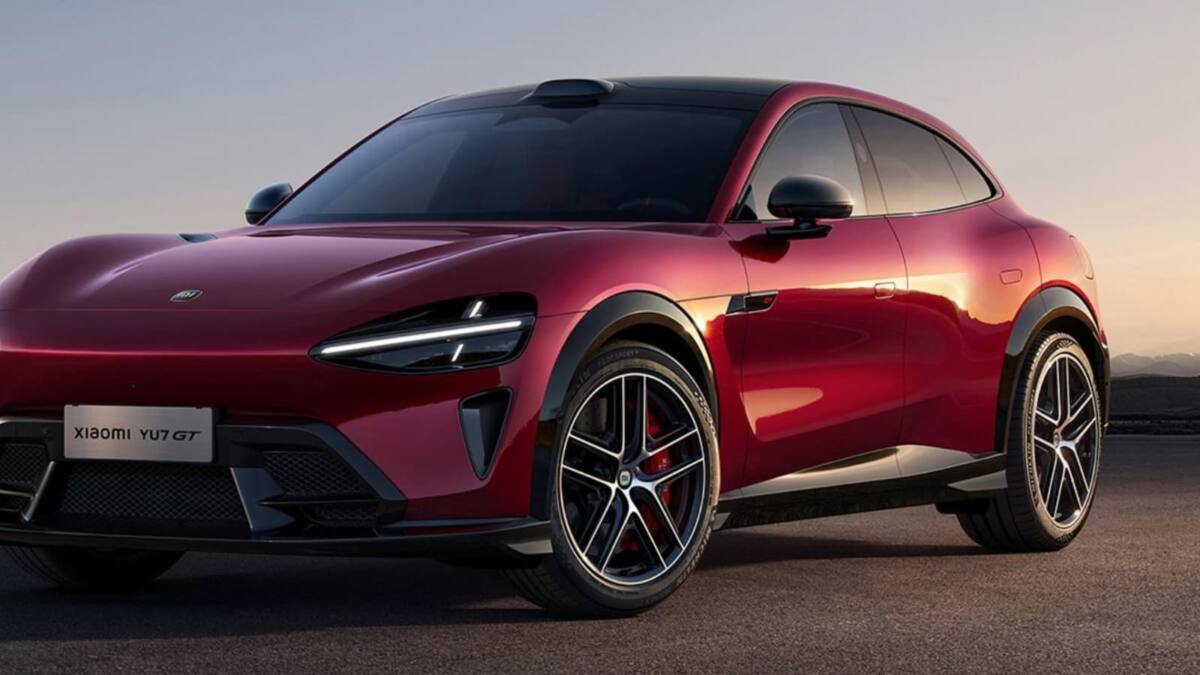
The obvious fix is also the least glamorous: sell more expensive cars. Xiaomi is betting on models such as the 990-horsepower YU7 GT, which starts at 389,900 yuan, or about $57,300, and the SU7 Ultra, priced from 529,900 yuan, a little over $78,000. They will not be volume heroes, but they should lift the average selling price and take some pressure off the loss line.
That strategy is hardly unique. High-end trims are where EV newcomers often try to buy time before scale kicks in, because software, batteries, and industrialization costs punish cheaper cars first. The problem for Xiaomi is that the market already knows this trick, and the clock is ticking faster than the marketing slides suggest.
Sales are strong, but still volatile
The delivery trend is mixed, which is polite code for ”messy.” Xiaomi sold 20,414 cars in February and 21,440 in March after a spring slowdown, then jumped to 36,702 deliveries in April. Even so, that was still well below the company’s record 50,212 vehicles in December. For a car brand that is still building its identity, consistency matters almost as much as volume.
The likely next phase is familiar: more premium trims, a slow grind toward better margins, and a lot of investor patience being tested in public. If Xiaomi can keep buyers moving up the range, the losses should narrow. If not, the company may find that selling electric cars at scale is easy; selling them profitably is the part that bites.