

xAI is burning money faster than it is selling AI, and the numbers now make that painfully clear. Financial materials tied to SpaceX’s IPO preparations point to more than $6 billion in operating losses for 2025, against revenue of about $3.2 billion – a mismatch that looks less like a startup wobble and more like a full-blown scaling problem.
The company’s top line is propped up by pieces that are not really xAI in the narrow sense. A big chunk comes from X, the social platform Elon Musk bought in 2022 and later folded into xAI’s structure, plus premium subscriptions across that ecosystem. That is a useful trick for the spreadsheet, but it also underlines how much of the current business is still piggybacking on a legacy asset rather than standing on its own feet.
Grok revenue is still a side show
The clearest view into xAI’s actual AI monetization is Grok, and even there the scale is modest. Using 1.9 million paying subscribers and an average price of about $12 a month, the chatbot appears to generate roughly $270 million a year, before API sales and any subscriptions bundled for Grok access are counted. That is not nothing, but it is a long way from the revenue base of the biggest model vendors.
- Estimated 2025 revenue: about $3.2 billion
- Estimated operating loss: more than $6 billion
- Grok-related revenue estimate: about $270 million a year
OpenAI and Anthropic are in a different weight class
The comparison with rivals is brutal. OpenAI said in April it had reached about $24 billion in annual revenue, while Anthropic was said to be around $3 billion. xAI is still a much smaller business, even after absorbing revenue from X, and that matters because the AI race is no longer just about model quality – it is about how quickly a company can turn compute into cash without setting fire to its balance sheet.
That spending problem is familiar across the sector. Meta, Google, and Microsoft all pour billions into chips and data centers, but they also have giant cash cows elsewhere in the business. xAI does not have that cushion, which makes its GPU bill and depreciation charge far more punishing than they would be at a bigger, better-diversified company.
Colossus has not paid off yet
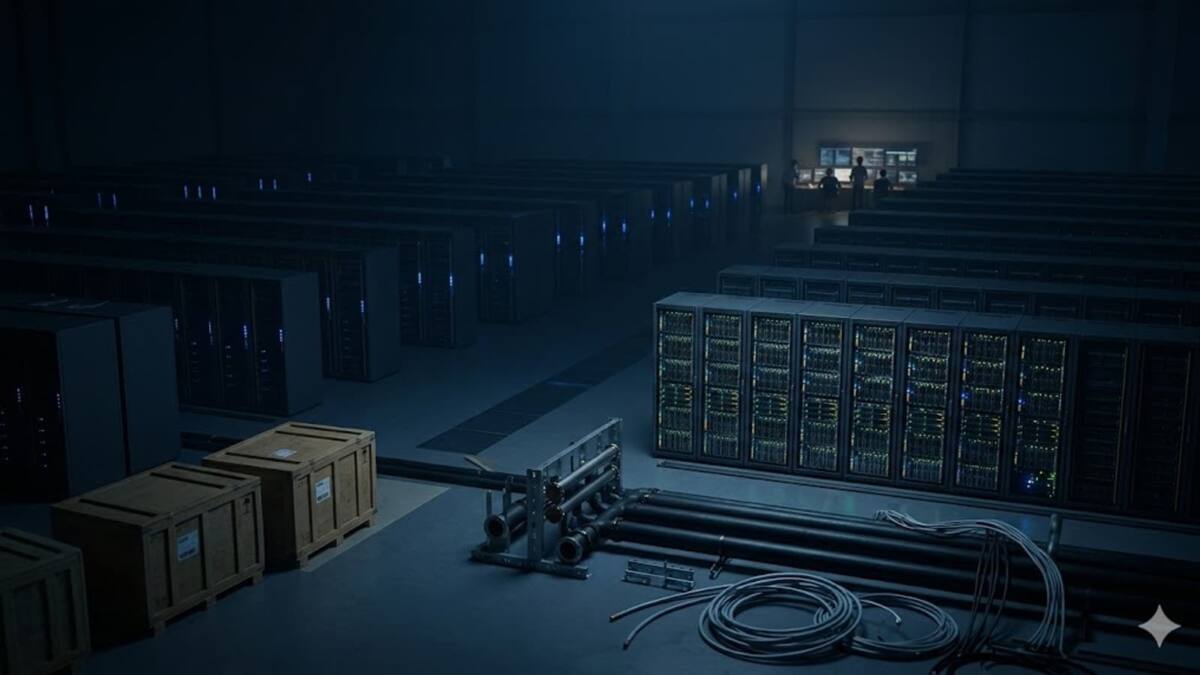
Musk has talked up two Colossus supercomputers built to scale Grok training, but the latest numbers suggest the hardware is outrunning demand. The company is not fully using its current capacity, and some infrastructure is already being rented out to Anthropic. That is the sort of sentence executives usually hope never appears in a story about a supposedly hyper-growth AI firm.
There has also been churn at the top. Several staff members, including co-founders, have left in recent months, and Musk said in March that xAI had not been built properly from the start and was now being rebuilt from scratch. The company is now leaning hard into AI tools for programming, a hot area across the industry, but the real question is whether product momentum can catch up with the size of the bet before investors lose patience.