

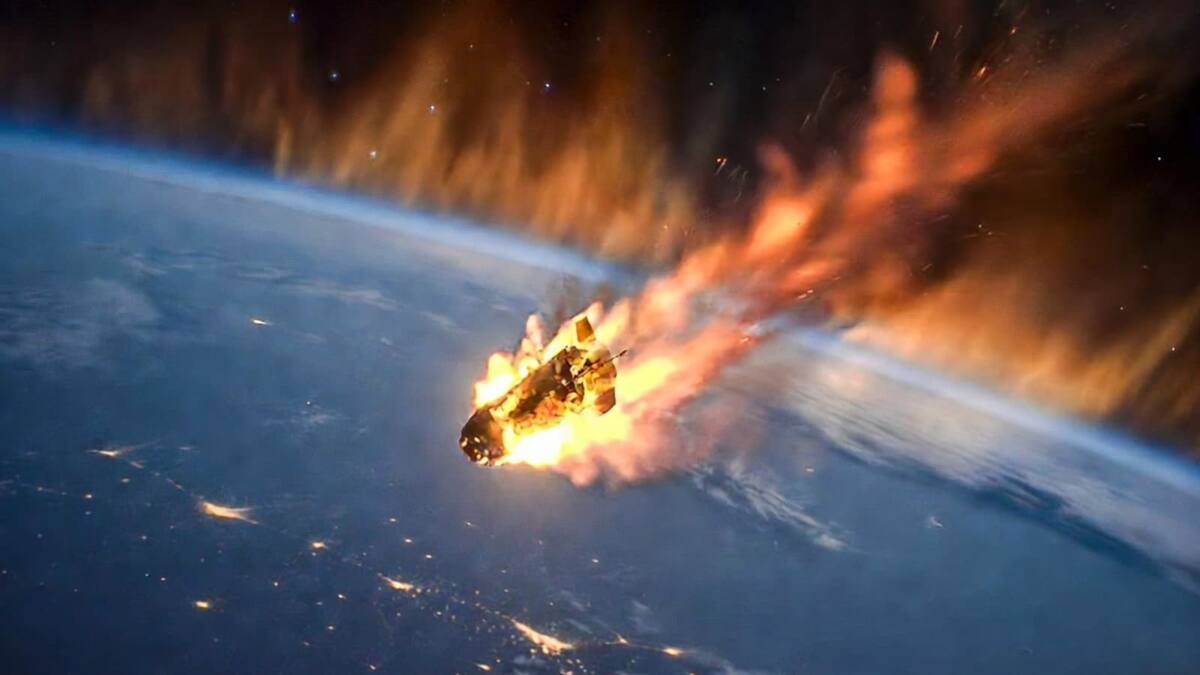
Japan has closed the book on HTV-X, its new cargo spacecraft, after the vehicle burned up in the atmosphere over the southern Pacific Ocean. The cargo ship had spent nearly two months flying on its own after leaving the International Space Station, turning a routine resupply run into a useful test of Japan’s next-generation space logistics.
The HTV-X cargo ship matters because it is more than a one-off delivery truck. It is Japan’s replacement for an older orbiting freighter, built to carry food, equipment, and scientific payloads to the ISS while also handling extra work once it undocks. That kind of flexibility is becoming a selling point for cargo craft as space agencies try to squeeze more value out of every launch.
HTV-X cargo capacity and orbit range
According to JAXA, HTV-X can carry about 4 tons of cargo to orbits between 300 and 500 km high. That is enough to keep it relevant in a field where precision, volume, and post-docking use of the spacecraft all matter. SpaceX’s Dragon and Northrop Grumman’s Cygnus have helped normalize this kind of utility-first design; Japan’s answer is now officially in the mix.
- Launch site: Tanegashima
- Rocket: H3
- Launch month: October 2025
- Undocked from the ISS: March 2026
A cargo ship that kept working after undocking
After separating from the station in March 2026, the spacecraft did not just drift quietly toward its end. It spent its solo time launching small satellites and supporting scientific experiments, which is exactly the sort of secondary role that makes spacecraft programs easier to justify to taxpayers and more interesting for engineers.
That also hints at where cargo missions are heading: fewer single-purpose trips, more orbital errands crammed into the same flight. HTV-X’s fiery finish may look dramatic, but the real story is that Japan is building a cargo system that tries to earn its keep all the way through reentry.
What JAXA is likely testing next
The obvious question now is how often JAXA will fly HTV-X and how much of that post-ISS autonomy becomes standard. If the agency can keep pairing station resupply with satellite deployment and experiments, the spacecraft becomes more than a logistics tool – it becomes a small but useful platform in Japan’s broader space toolkit.