

The best global smartphones of 2026 are not all waiting on US shelves, and that is the awkward part. Xiaomi, Oppo, Vivo, Huawei, and Honor are pushing camera hardware, folding designs, and battery sizes that make a lot of mainstream flagships look strangely cautious. If you are willing to import, the menu gets a lot more interesting – and a lot more annoying.
The common thread is obvious: camera-first hardware is still thriving outside the US, while foldables are finally getting closer to the ”normal phone” level of durability buyers have wanted for years. The catch is equally obvious. Imports mean band checks, app workarounds, and a warranty situation that tends to vanish into a puff of consumer regret.
Xiaomi 17 Ultra and Oppo Find X9 Ultra push the camera race harder
Xiaomi’s 17 Ultra is the most obvious statement piece here. It pairs a 6.9-inch LTPO OLED display with Snapdragon 8 Elite Gen 5 power, a 6,000mAh battery, and a Leica-tuned 50MP main camera built around a one-inch sensor. The real trick is the Leica Essential mode, which aims for mood instead of sterile perfection: less aggressive sharpening, more shadow detail, and a look that feels more like a photo than a computational exercise.
Oppo’s Find X9 Ultra takes the same idea and turns the dial to a slightly absurd setting. Two 200MP sensors headline a four-camera array, backed by a 7,050mAh battery and 100W wired charging. In a market where most companies are still bragging about one good camera, Oppo is basically shouting that restraint is for other people.
Vivo, Huawei, and Honor each solve a different problem
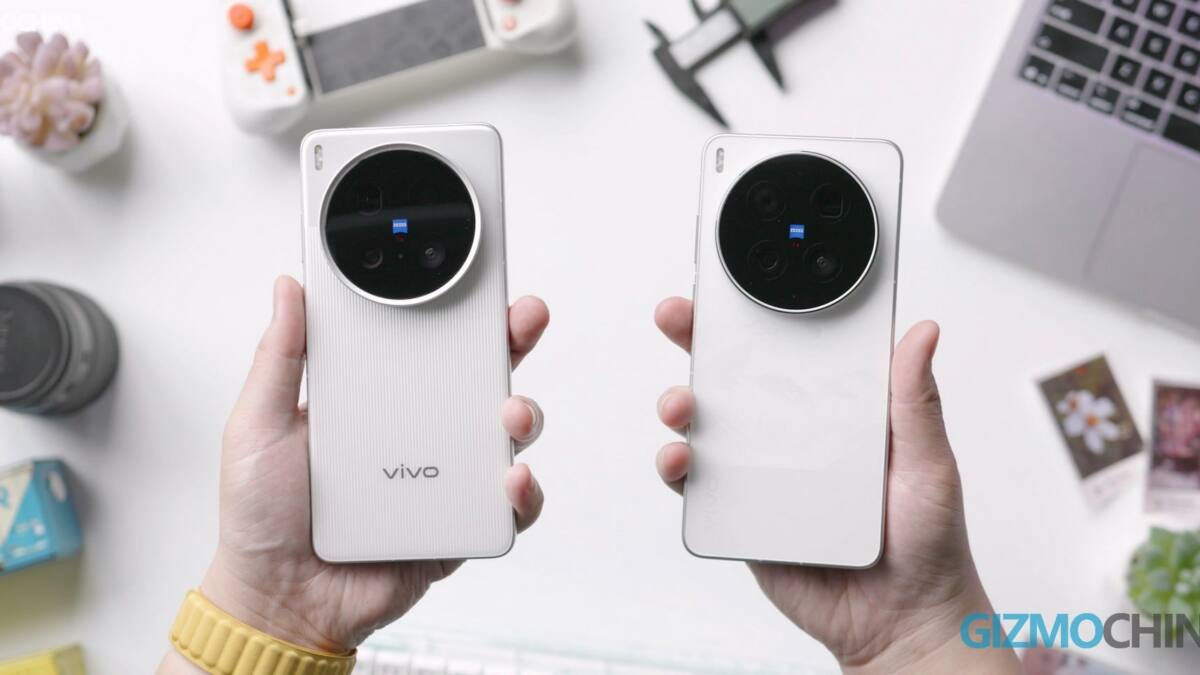
Vivo’s X300 Ultra is the subtle one. It looks a lot like its predecessor on paper, but the company’s Raw Lighting mode strips back processing in a way that should matter more to actual users than to spec-sheet tourists. The phone’s 200MP main sensor and Zeiss color tuning are paired with a 6,600mAh battery, making this one of the safer all-round bets in the camera-phone arms race.
Huawei’s Pura 90 Pro Max is the odd one out because it arrives with the usual Huawei baggage: no Google services, patchy app support, and the sort of setup process that can feel like a hobby. Still, the hardware is compelling. A 200MP periscope telephoto, a variable-aperture main camera, and 100W wired charging give it a spec sheet that few rivals can match, especially at around $1,199.
Honor’s Magic V6 is probably the most practical foldable in the group. It is the first foldable phone to carry both IP68 and IP69 ratings, and its crease is said to be remarkably shallow after heavy use. Foldables have spent years asking buyers to forgive them; Honor is finally asking for less forgiveness and getting away with it.
The foldable that looks more like a tablet
Huawei also has the strangest hardware idea on the list with the Pura X Max. Instead of folding into a tall, narrow slab, it opens into a wider shape with a 7.7-inch inner display and a near 4:3 ratio. That makes it closer to a compact tablet than a conventional foldable, which sounds niche until you imagine reading, video, and multitasking on something that does not feel like a glorified remote control.
If that form factor catches on, expect rivals to copy it quickly. Samsung and others have spent years iterating around the same tall foldable template, and the first company to make the ”tablet in your pocket” pitch feel normal could win a lot of attention. For now, though, the bigger story is that the most interesting hardware is still being sold somewhere else.
What importing these phones really costs
- Check 5G and LTE band support carefully before buying.
- Expect slower speeds or weaker coverage if the bands do not match US networks.
- Huawei devices may need workarounds for Google-dependent apps.
- Warranty support is limited, so repairs can become your problem fast.
That is the trade-off behind the shiny hardware: better toys, more friction. And as US carriers keep serving up a narrower menu, the appeal of importing these devices will only grow for enthusiasts who care more about cameras, batteries, and foldable engineering than about the comfort of buying local.