

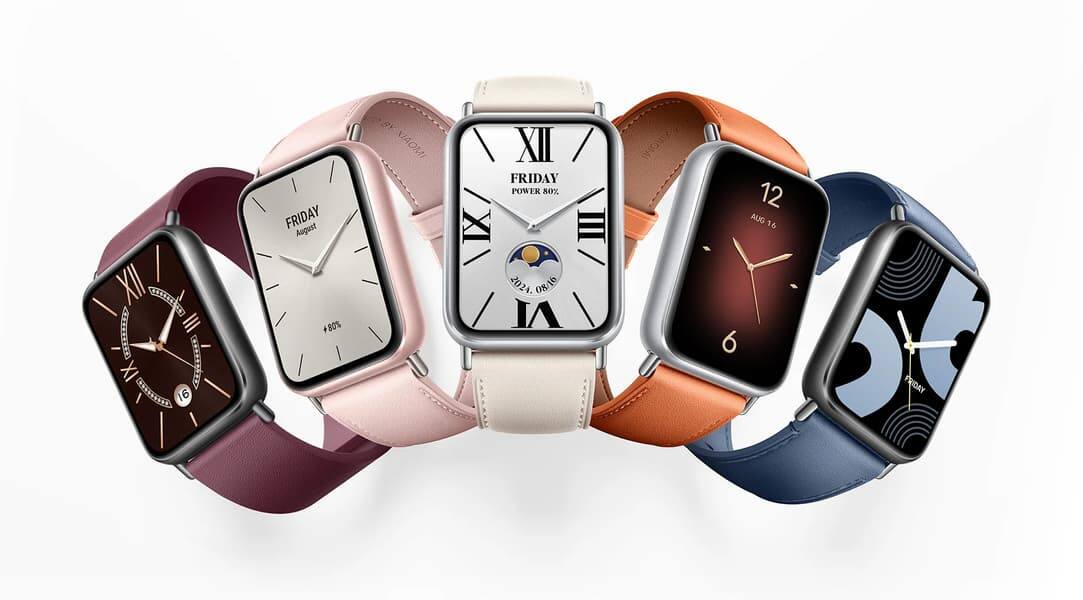
Xiaomi has pushed its latest fitness band closer to smartwatch territory. The Xiaomi Smart Band 10 Pro arrives with a larger 1.74-inch display, upgraded heart-rate and SpO2 sensors, HyperOS 3, NFC, and up to 21 days of battery life, all for a starting price of 60 dollars.
The company unveiled the Xiaomi Smart Band 10 Pro alongside the Xiaomi 17 Max, and it is clearly aiming at buyers who want watch-like features without watch-like pricing. That also explains the odd but useful extras: Apple ecosystem integration, a stress and heart-rate readout during gaming sessions, and a built-in gaming mode that tracks in-game events such as a character respawn.
Price, versions and design
Xiaomi is selling the Smart Band 10 Pro in several versions:
- Standard version: 60 dollars
- Leather strap version: 65 dollars
- Ceramic version: 70 dollars
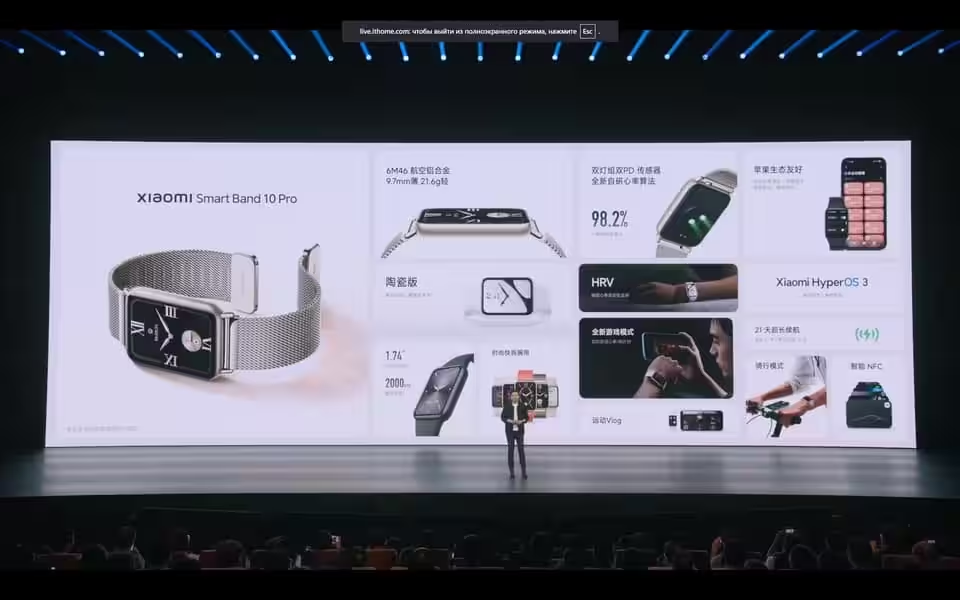
The body is slim at 9.7 mm and uses aviation-grade aluminum, while the device weighs 21.6 grams. For a wrist gadget at this price, those are respectable numbers. The ceramic option is Xiaomi doing Xiaomi things: adding a fancier finish so the band can pretend it belongs in a more expensive category.
Smart Band 10 Pro display and sensors
The screen measures 1.74 inches and reaches a maximum brightness of 2000 nits, which should help outdoors rather more than the usual optimistic spec sheet ever does. Xiaomi says the new heart-rate and blood-oxygen sensors are more accurate, with up to 98.2% accuracy, and the band also adds HRV monitoring.
That matters because the wearable market has spent years blurring the line between bands and watches. Xiaomi is trying to close that gap from the cheap end, while rivals keep stacking features and charging more for the privilege.
HyperOS 3, NFC and gaming mode
Under the hood, the Smart Band 10 Pro runs HyperOS 3 and supports NFC, plus broader smartphone syncing than before. Xiaomi is also leaning into a niche feature set with its gaming mode, which can show game status, remind users about events, track pulse and stress, and generate session reports.
Battery life is rated at up to 21 days. If that holds in real use, it will be one of the band’s strongest selling points, especially against pricier wearables that spend too much time near a charger and too little time on a wrist.
The real question is whether people want a fitness band that behaves like a smartwatch, or whether Xiaomi has simply made the cheapest convincing argument yet for not buying a smartwatch at all.