

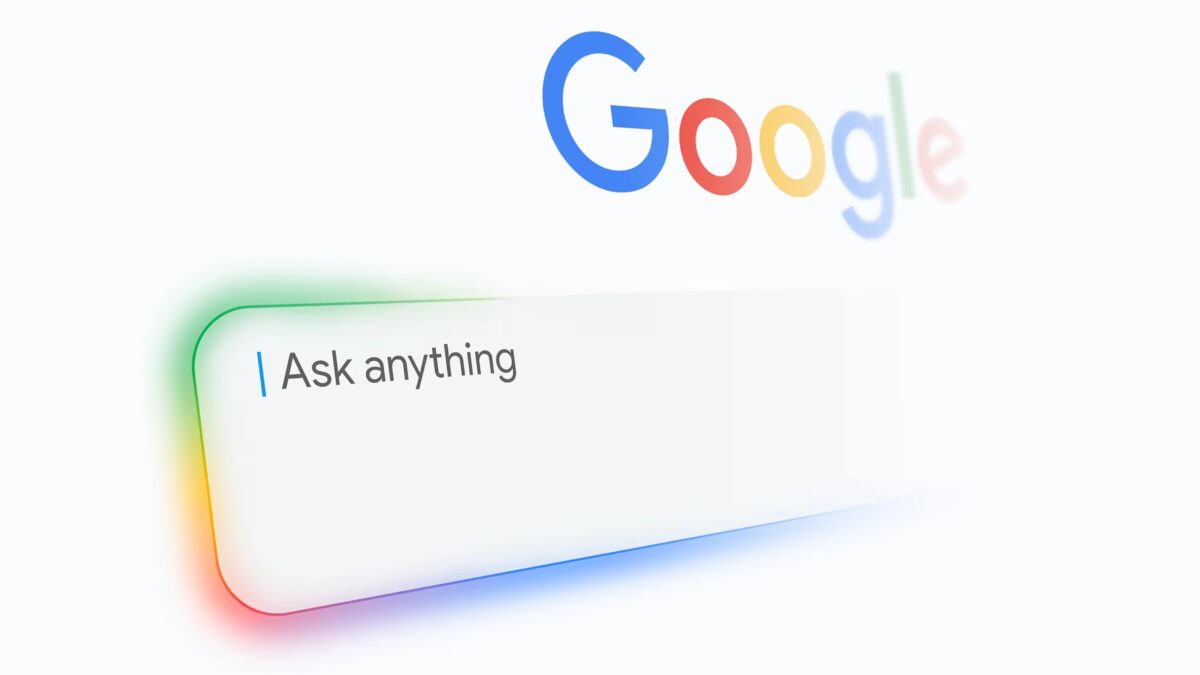
Google just unveiled the biggest overhaul of its search engine in over 25 years at Google I/O 2026, replacing the classic list of blue links with AI-powered interactive experiences and information-gathering agents. This shift marks the end of the era when users relied on simple search result pages and signals a major reimagining of how people access information online through Google Search.
Instead of presenting users with straightforward links to websites, Google’s new AI search immerses users in AI-driven scenarios that compile personalized mini-applications and autonomously gather data based on individual interests. While this looks like a leap in convenience, it raises serious questions about the future of web traffic for publishers and the sustainability of the open internet ecosystem.
Search input expands into conversational queries
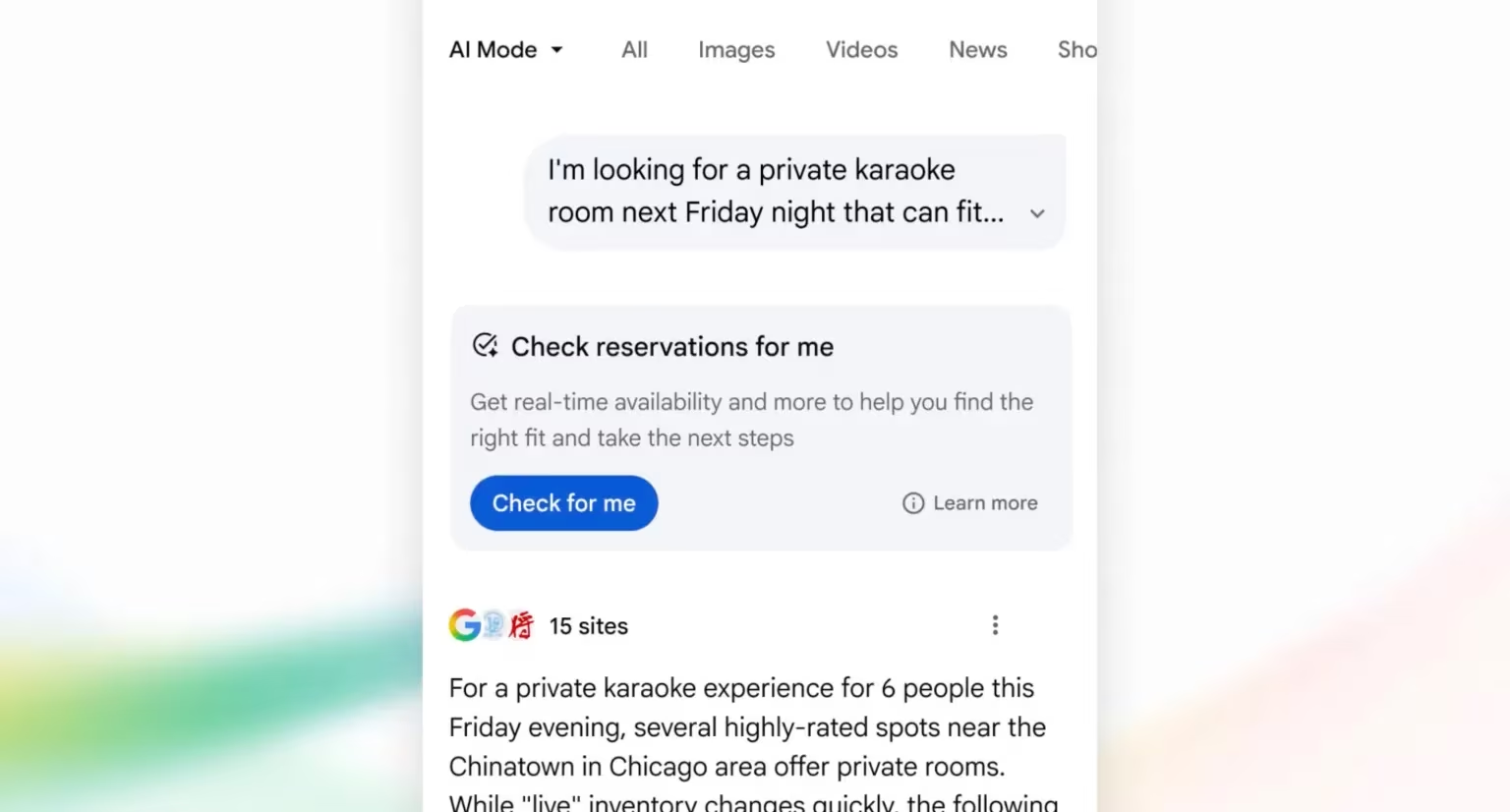
The traditional search box is evolving into a more flexible input field designed to understand long, conversational queries. Gone are the days when users had to craft short, precise keywords to get relevant results-Google now encourages typing naturally, promising that its AI will handle the complexity.
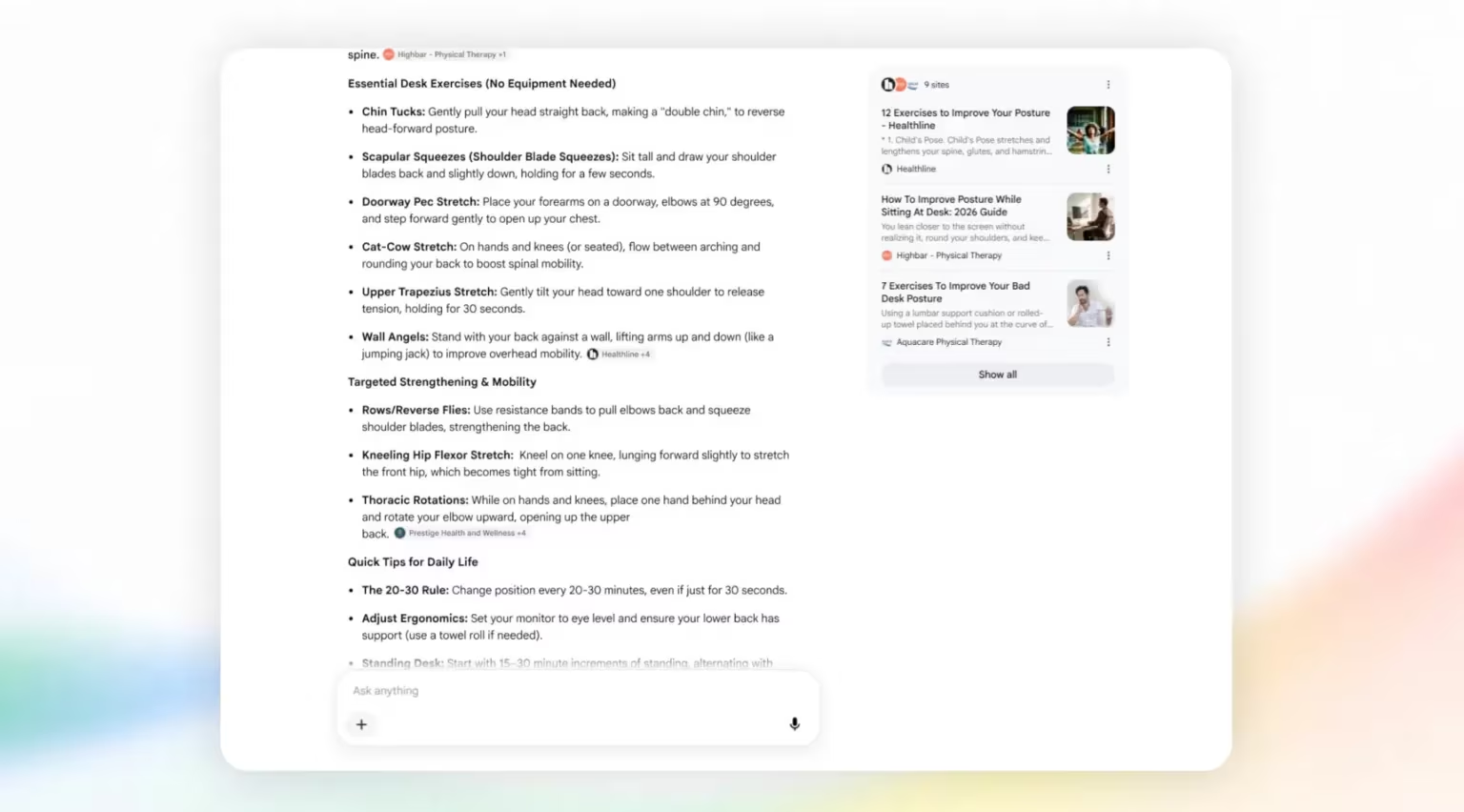
Enhanced suggestion systems go far beyond the standard autocomplete, helping users formulate multi-layered and nuanced questions. AI Overviews, launched concurrently, support follow-up queries directly in the AI interface, enabling a more dynamic and contextual search process.
AI agents replace traditional information gathering
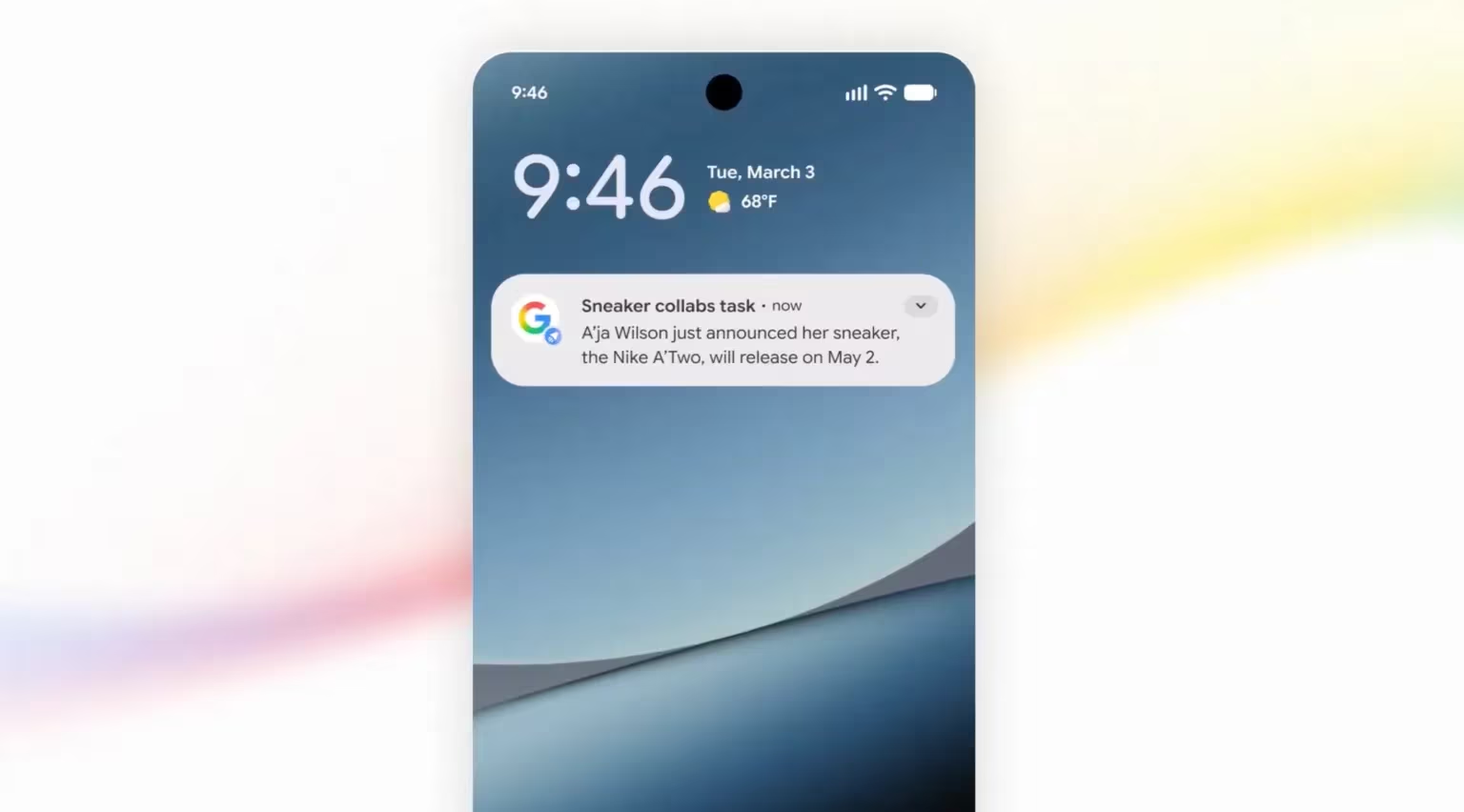
Coming this summer, Google introduces ”information agents,” an evolution of the older Google Alerts service from 2003. Unlike Alerts, which simply notified users of new results via email, these new agents actively interpret market movements, devise monitoring plans, and pull from multiple real-time data sources to produce analytical summaries and actionable insights.
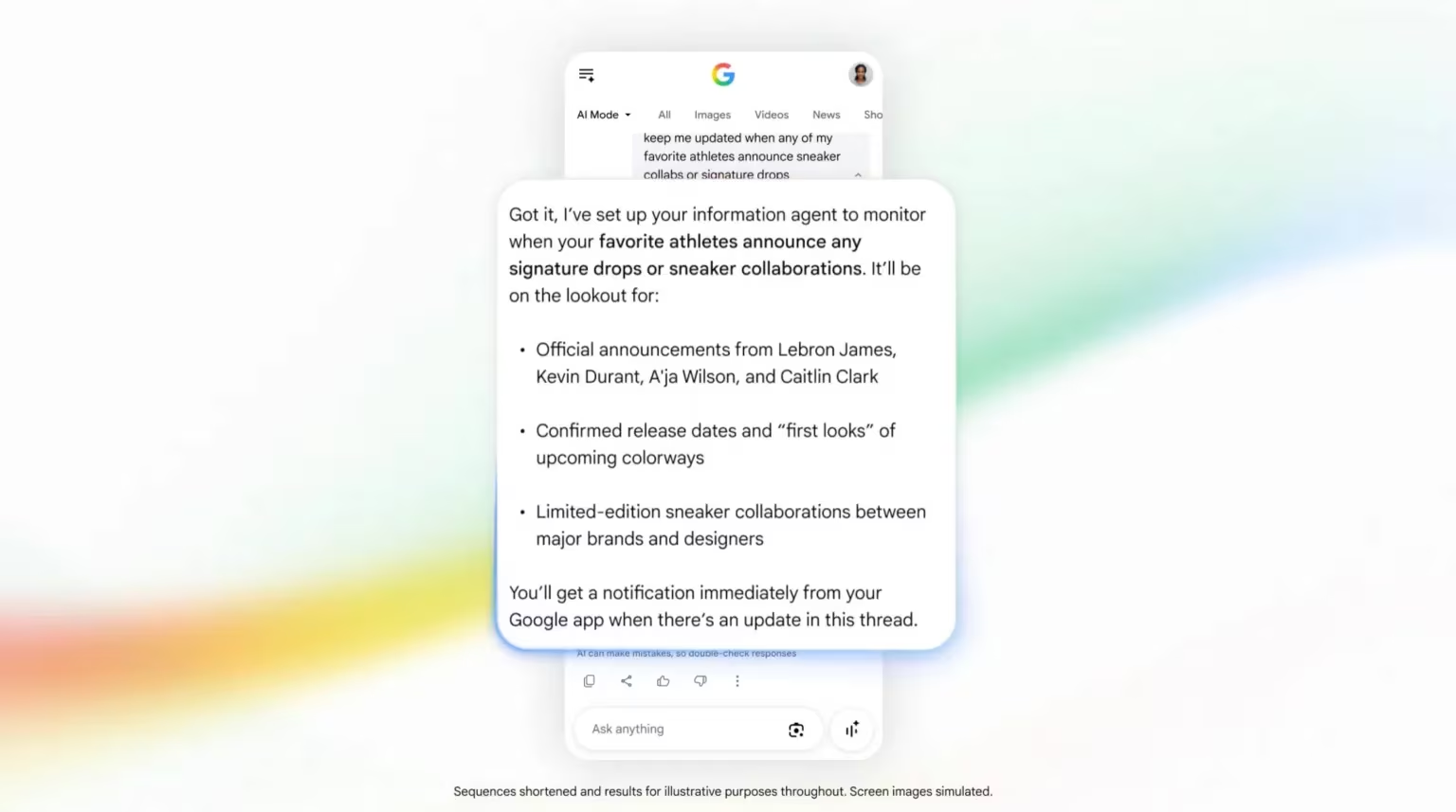
Google Search chief Liz Reid illustrated how users can delegate tracking financial trends or niche market data to these agents, which autonomously select sources, tools, and timing, then deliver concise reports with relevant links. The agents operate continuously in the background, turning manual search into an automated briefing tool-though it’s clear Google will steer these insights to align with its own priorities.
AI-powered mini-apps reshape search results
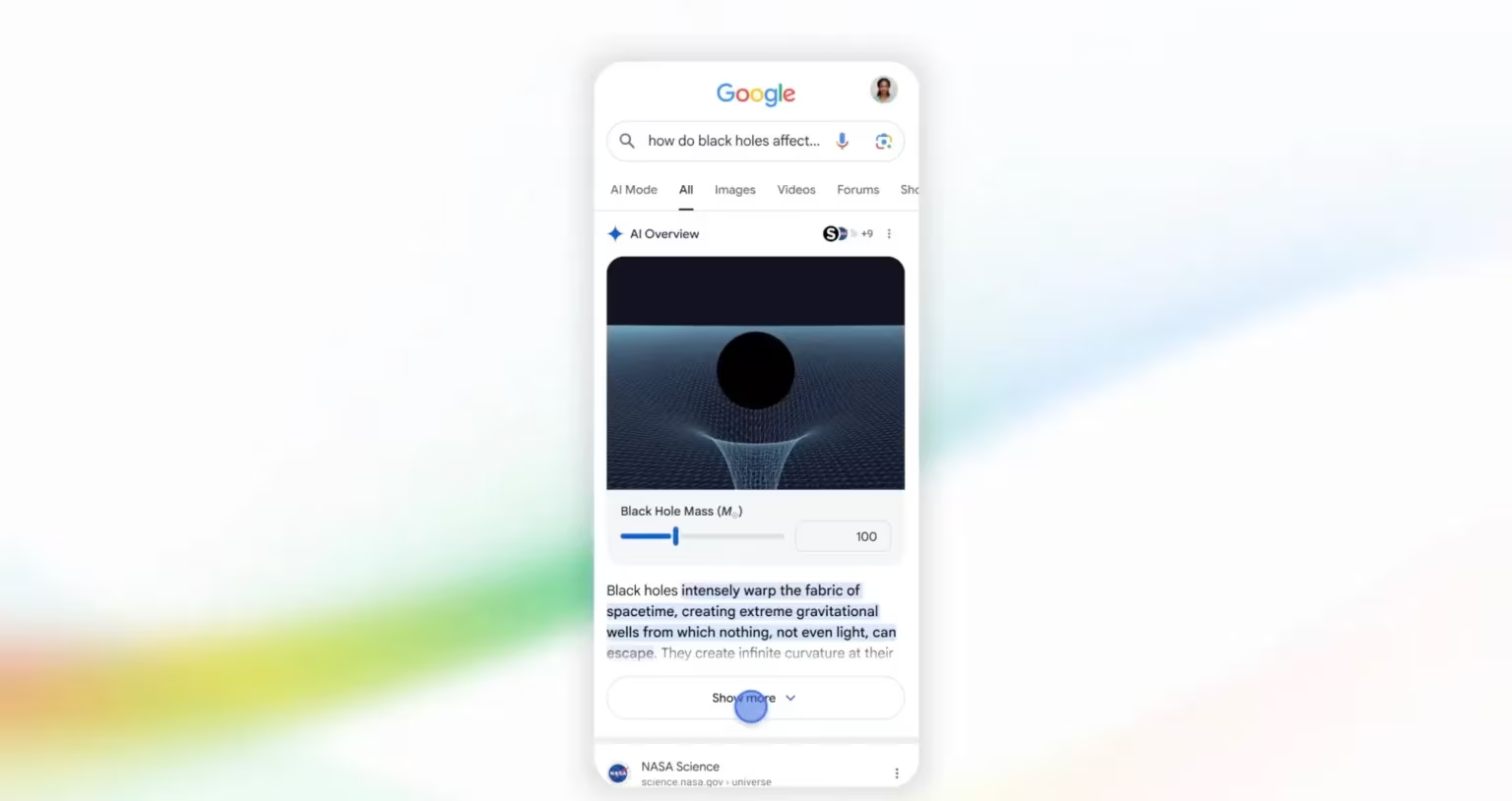
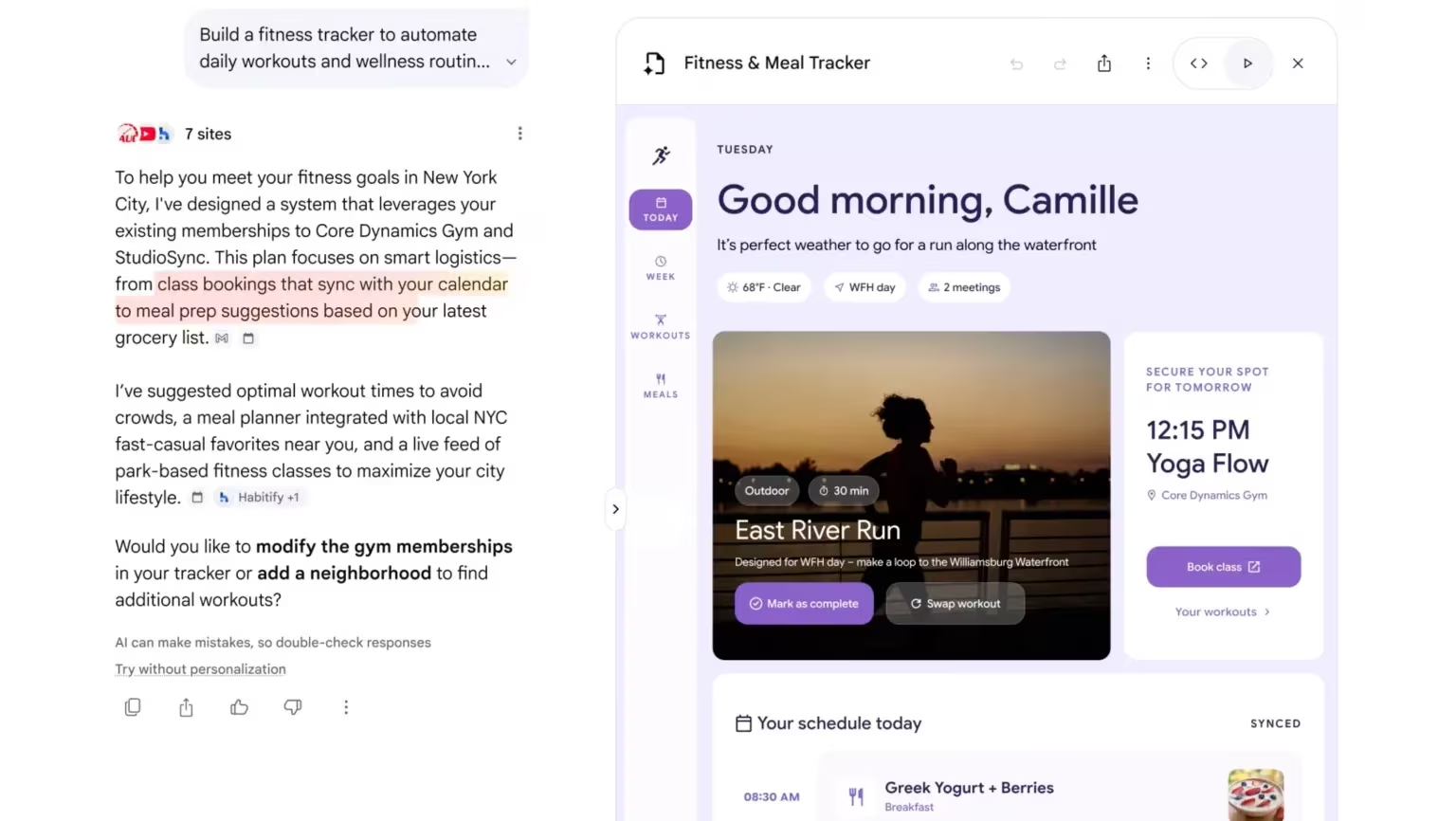
Instead of static lists of links and snippets, search results pages will dynamically generate interactive web experiences tailored to each query. Built on Google’s Gemini Flash 3.5 model in collaboration with DeepMind and the internal Antigravity platform, these ’agentic’ interfaces generate real-time visualizations, widgets, and data layouts on demand.
For example, asking about black holes won’t return a mere text paragraph but a responsive data visualization that updates with follow-up questions. Users can even create their own mini-apps using natural language commands-such as a meal planner synced with their Google Calendar or a personalized fitness tracker-directly within the search bar without downloading any apps.
Effects on publishers and web traffic
These search changes could further reduce referral traffic to publishers, a challenge that began with the introduction of AI Overviews. Some ad-dependent media outlets have already shut down as Google funnels users away from direct website visits toward its own interactive summaries, relegating website links to secondary elements.
Currently, over 2.5 billion users access AI Overviews monthly, with over 1 billion engaging AI Mode. By comparison, ChatGPT has about 900 million weekly active users. While ChatGPT’s smaller audience returns more frequently, Google leverages its massive scale to reach more unique individuals globally.
The new expanded search field launches this week, with the full generative search interface arriving this summer-both free to users. AI agents and mini-apps will initially be available to subscribers of Google AI Pro and Ultra plans, though Google intends to make most features accessible to everyone over time. The personal AI agent Spark will eventually be free as well.
”We focus on frontier models-powerful yet fast and cost-effective-because we want to reach as many people as possible,” Google CEO Sundar Pichai said during the pre-I/O briefing.
Google’s transformation of search represents a seismic shift that threatens the traditional web ecosystem, especially media organizations that depend on Google’s traffic. The new AI-driven search raises tough questions: Where will Google source its facts if websites get bypassed? How will this affect the accuracy and depth of AI responses? And as the internet becomes more closed off, will AI-led content creation sideline human writers altogether in the near future?
For now, it looks like the internet as we know it is entering a turbulent new phase-one that could upend how information flows and who controls it.