

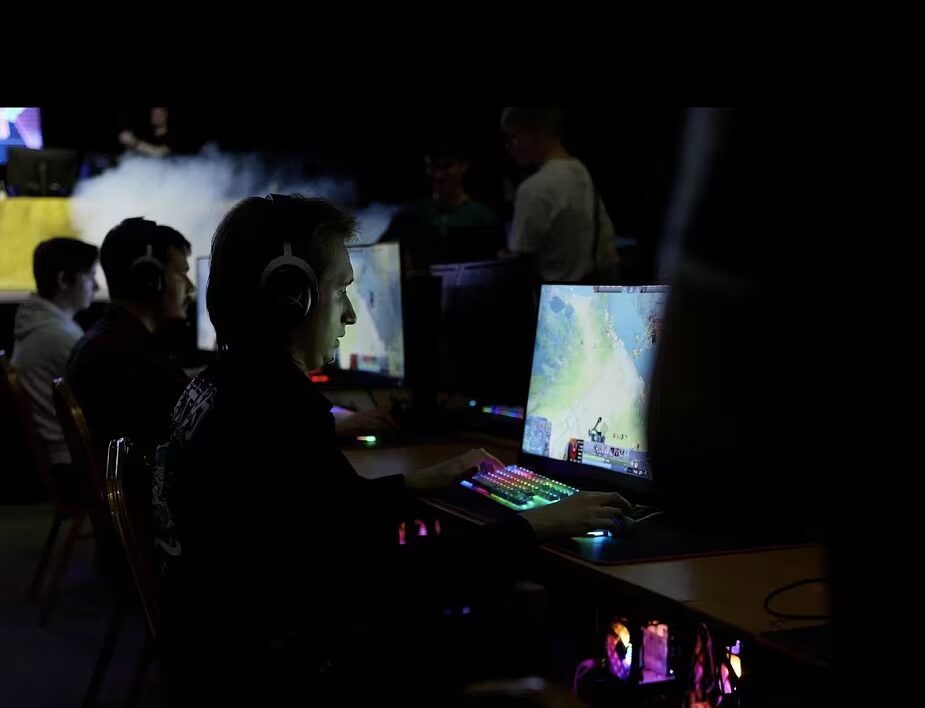
The final stage of the annual ”Kursk Arc” computer gaming festival took place in Kursk, attracting over 1,200 participants from 20 different cities. Supported by the Presidential Grants Foundation for the second time, the event showcased competitive gaming and related tech culture, underscoring the growing enthusiasm for esports in the region.
- The festival has been held annually since 2017.
- It has won the Presidential Grants Foundation competition twice.
- The grand final featured ”Tactical 3D Combat” in the newly released Counter-Strike 2.
Kursk Arc gaming festival highlights
The grand final was contested in the ”Tactical 3D Combat” discipline, essentially a Counter-Strike 2 tournament. Alongside the main event, the festival hosted one-on-one esports duels, virtual reality zones, tabletop gaming areas, and a cosplay contest. A ”phygital” sports tournament focusing on a rhythm simulator game added an innovative hybrid digital-physical twist. The exhibition section featured robotics and the latest computer industry products, while fans enjoyed a dedicated area showcasing models and replica weaponry.
Since its launch in 2017, the festival has united enthusiasts of esports, cosplay, board games, and tech innovation, steadily drawing participants from across Russia. This event reflects a broader trend towards blending gaming culture with hands-on technological showcases.
Organizers’ views on the Kursk Arc esports festival
Maxim Belyakov, chairman of the Kursk Regional Computer Sports Federation, confirmed that over 1,200 competitors from 20 cities took part in the qualifying rounds. He highlighted the festival’s consistent growth since 2017 and its success in securing Presidential Grants twice, validating its importance in the region’s gaming ecosystem.
Maxim Shchedrin, head of Kursk’s Youth Policy Committee, described esports as a ”significant area of work” and praised the festival for bringing together ”highly dedicated and motivated youth.” He emphasized the importance of engaging this community in public and government initiatives, reflecting a strategic effort to integrate gaming culture into broader social projects.
While Russia’s esports scene is still emerging compared to powerhouses like South Korea or the US, events like Kursk Arc highlight a growing grassroots movement fueled by state support and youthful energy. Counter-Strike 2’s inclusion signals Russia’s alignment with international esports trends, aiming to keep local players competitively current.
Looking ahead, the Kursk Arc festival will likely continue scaling up its reach and impact, potentially becoming a key fixture in Eastern Europe’s esports circuit. How it adapts to new game releases and technology trends, along with government backing, will determine if it breaks into the broader global esports conversation.