

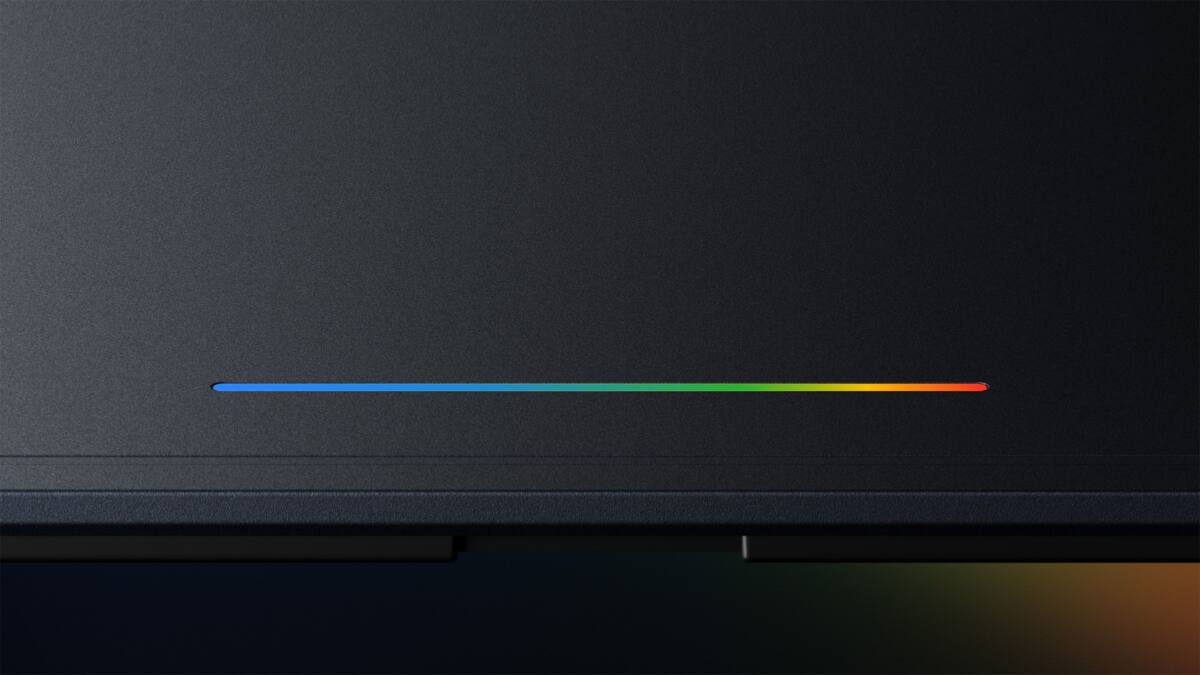
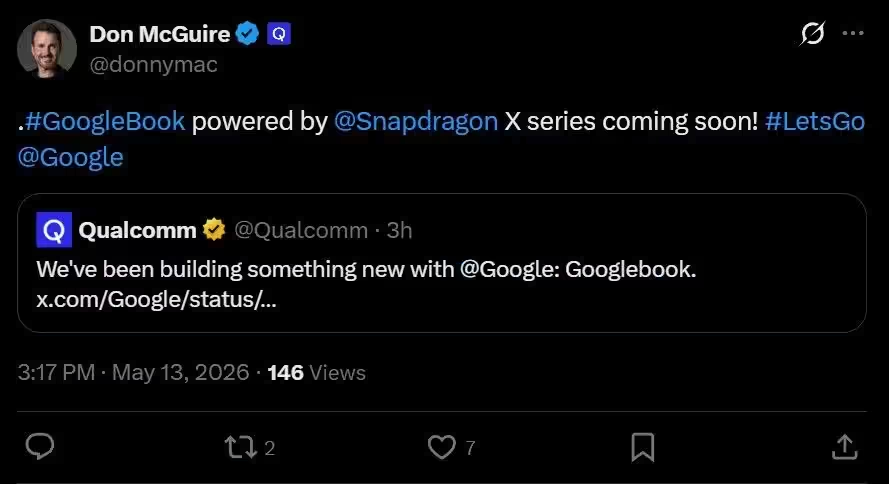
Qualcomm’s Snapdragon X is about to break out of its Windows box, with a deleted social post suggesting the chip will power a version of Google’s new Googlebook. If that sticks, it would be the first time Snapdragon X shows up in a device that is not tied to Windows 11, and it gives Google a neat little hardware story to tell: local AI processing, better battery life, and a cleaner pitch for an Android-powered laptop.
Google has barely started talking about the Googlebook, yet the company is already being linked to Qualcomm’s flagship PC silicon. That suggests this project is meant to be more than a Chromebook reboot with a shiny logo. The real prize here is the NPU: the part that can handle AI tasks on-device instead of shuttling everything off to the cloud.
Snapdragon X and Googlebook
Snapdragon X has so far been marketed as the engine for Microsoft’s Copilot+ push, so a Googlebook appearance would be a useful proof point for Qualcomm. It also broadens the chip’s appeal at a time when PC makers are desperate to talk up AI without asking buyers to care about benchmark charts nobody remembers after lunch.
There is a practical angle, too. Qualcomm has long sold its laptop chips on battery efficiency, and that matters even more if Google wants the Googlebook to feel like a real alternative to traditional ultraportables rather than a browser-first device with a fresh coat of paint. If Google is serious about pushing more work onto the device, the NPU is not decorative silicon.
What Google has already confirmed
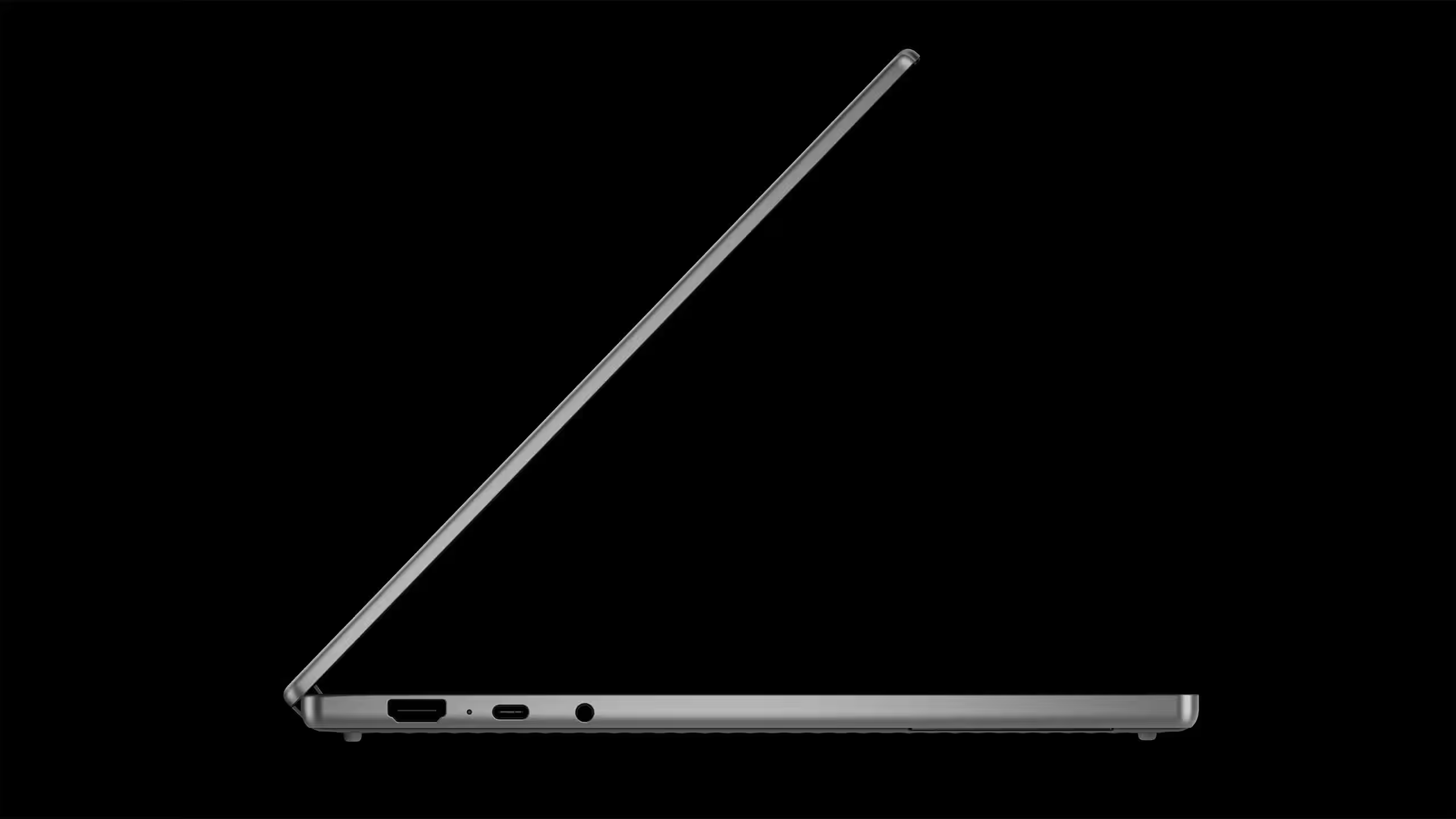
Google has been stingy with details, but it has said the Googlebook will use ”premium craftsmanship and materials” and arrive in several ”shapes and sizes.” The company has also pointed to hardware partnerships with HP, Dell, Asus, Acer, and Lenovo, which suggests a broader family of devices rather than one hero laptop pretending to be a platform.
The operating system is still officially unconfirmed, though the smart money is on Aluminum OS, the Android-based laptop system Google has reportedly been building for years. That would be a bigger shift than the branding suggests: it would put Google in direct competition with Apple and Microsoft in a category it has circled for years but never quite owned.
The announcement probably landed too early
The deleted post from Qualcomm marketing chief Don McGuire strongly hints this news leaked before the company meant it to. That kind of slip is annoying for PR teams and excellent for everyone else, because it usually means an official reveal is close enough to be visible through the cracks.
Expect more detail at I/O later this month. The remaining question is whether Googlebook becomes a genuinely new laptop category for Android, or just another attempt to convince people that AI branding can substitute for a compelling product. My guess: the hardware story will be stronger than the software one at launch, and Qualcomm is happy to let Google do the explaining.