

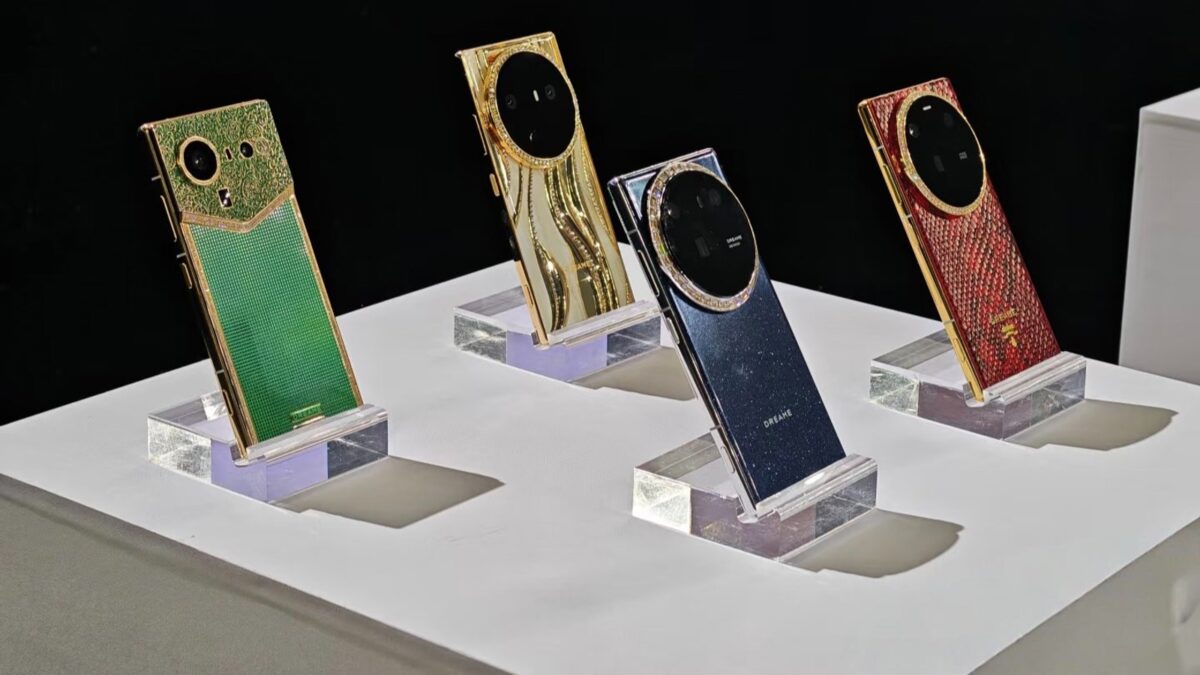
Dreame, better known for vacuum cleaners than handsets, is preparing to push into smartphones with a surprisingly aggressive first shot: more than 100,000 devices in its initial launch wave. The company’s Aurora phone series is now slated to go on sale in the fourth quarter of 2026, with three lines planned and a global rollout strategy that starts outside China before widening at home.
The Dreame Aurora series will reportedly include a standard flagship, a flagship with a modular camera system, and a high-end customized model. Pricing is expected to range from tens of thousands to hundreds of thousands of yuan, showing that Dreame is aiming for attention at the top end before it has built trust in the mainstream.
The bet is straightforward. Dreame wants to turn novelty into credibility fast, and the flagship-customized tier is clearly aimed more at image-building than volume. That is a familiar playbook in premium phones: sell a handful of halo models, then lean on the mainstream flagship to do the real work. Apple and Samsung have spent years proving that expensive vanity trims are nice for headlines, but shipments come from the models that ordinary buyers can actually afford.
Aurora series launch planned for the fourth quarter of 2026
According to sources familiar with the plan, the Aurora lineup will include a standard flagship, a flagship with a modular camera system, and a high-end customized series. Pricing is expected to span from tens to hundreds of thousands of yuan, which tells you everything you need to know about the ambition here: Dreame is chasing attention at the top end before it has earned trust in the middle.
The configuration details for the standard flagship and the modular-camera version are still being finalized, while the customized edition’s launch plan has already been locked in. That split is revealing. Companies usually freeze the prestige model first because it is easiest to market as a statement piece, while the mass-market versions are where the engineering and supply-chain headaches begin.
- Launch window: fourth quarter of 2026
- Planned lineup: three Aurora series variants
- Sales target: more than 100,000 units in the first wave
- Positioning: premium, modular, and customized tiers
Why Dreame is starting with a premium halo
Dreame’s first target is not a monster volume number by smartphone standards, but it is a serious one for a newcomer: more than 100,000 units in the first wave. The company says the premium customized model is mainly there to strengthen the brand’s luxury image, with actual shipment volume expected to stay very small. In other words, the showcase phone is the billboard; the other two are the business.
- Custom model: brand-building focus, very limited shipments
- Standard flagship: expected to do most of the volume work
- Modular-camera version: positioned as the headline differentiator
Dreame showed Aurora prototypes in Spain first
The company has already teased the strategy publicly, including a presentation in Spain where it showed prototype Aurora phones. The standout device was the Aurora Nex LS1, described as a technology flagship with an unusual concept. That sort of early-stage unveiling is standard fare for brands trying to make the leap from ”interesting outsider” to ”serious competitor” before anyone has had a chance to test the software, battery life, or after-sales support.
Founder and CEO Yu Hao has also been making bold claims about Dreame’s smartphone ambitions. Bold is the operative word: entering phones is one thing, but surviving in a market ruled by ecosystems, subsidies, and relentless upgrade cycles is another. The next test is whether Dreame can turn its vacuum-cleaner brand recognition into something people will actually trust in their pockets.
The real test will be the mid-tier models
The premium custom phone may generate press, but the standard flagship and modular-camera model will decide whether Aurora is a genuine handset line or just an expensive experiment. If Dreame can pair a credible design story with competitive hardware and a clean software experience, the company could carve out a niche fast. If not, the first 100,000 units may be remembered as a noisy start rather than the start of a new phone brand.