

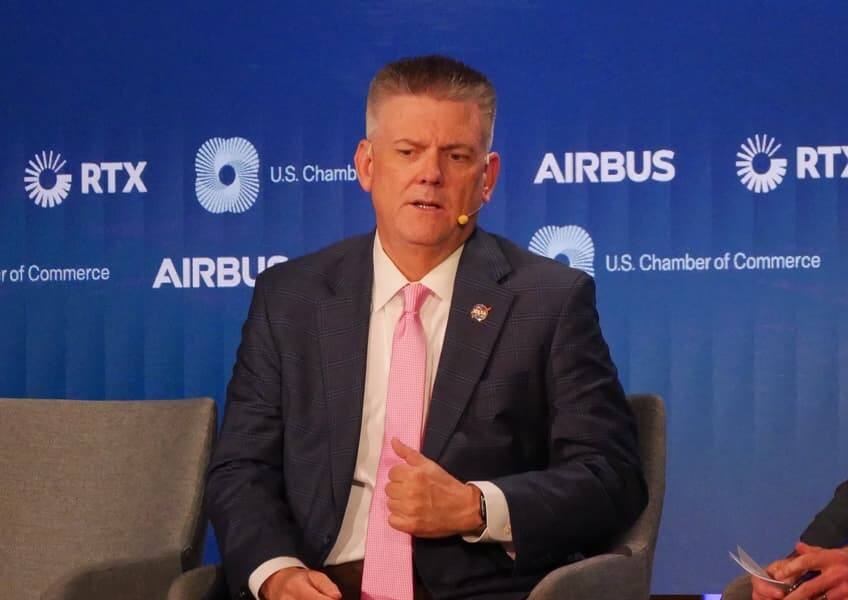
NASA has put Brian Hughes in charge of launch operations at Kennedy Space Center and Wallops Flight Facility as the agency tries to keep pace with a busier launch calendar. The move is drawing fire from lawmakers and some staff, who question whether a political operator with limited space-industry experience is the right person to oversee a job so tied to rockets, schedules, and money.
Hughes is no stranger to NASA’s corridors. He worked there as chief of staff in 2025 before moving into political consulting, and his earlier career was mostly in government administration and political communications rather than rockets or range safety. That background may help him navigate Washington, but it also explains why the NASA launch chief appointment raised eyebrows almost immediately.
What Hughes will oversee at Kennedy and Wallops
The new director of launch operations will be based at Kennedy while also overseeing Wallops Flight Facility, one of NASA’s oldest test and launch sites. In practice, that means more coordination than spectacle: balancing commercial launches, science missions, and defense work across facilities that are already crowded and politically sensitive.
NASA says the role is meant to tighten communication between government teams and private launch providers. That sounds tidy on paper, but it is also a tacit admission that the agency no longer controls most of the launch picture the way it once did.
Why the NASA launch chief appointment is drawing criticism
Critics point out that many of the most important launch assets in the United States are not directly run by NASA anymore. Much of the Florida launch traffic now runs through the nearby Space Force base, while NASA’s own infrastructure is used more selectively for programs like Space Launch System and for pads leased by private companies.
- Kennedy Space Center: central coordination point for NASA launch work
- Wallops Flight Facility: older NASA launch and test site on the coast
- Space Force base in Florida: handles a large share of launches there
- Commercial operators: increasingly important users of NASA-linked infrastructure
Congresswoman Zoe Lofgren said the job demands deep space-industry expertise, especially as the United States faces tougher competition in space. That criticism lands because launch sites are now part infrastructure, part diplomacy, and part industrial scheduling system; put the wrong person in charge and the bottleneck shows up fast.
NASA wants faster launches, not just better politics
NASA’s defense of the hire is straightforward: more launches are coming, and the agency wants smoother coordination as commercial, scientific, and defense missions stack up. The agency’s message is that Hughes can help speed decisions and make the handoff between public institutions and private operators less clumsy.
That may be exactly why this appointment matters beyond one personnel choice. NASA is trying to manage a launch era where it owns less of the hardware but still gets blamed when the timing slips, and Hughes now walks straight into that contradiction.
The next test is execution, not press releases
If Hughes can keep missions moving and smooth over the agency’s increasingly mixed public-private launch network, the criticism will fade quickly. If delays pile up or the job looks too political for the technical demands around it, the appointment will become another reminder that spaceflight runs on engineering, not résumé optics.