

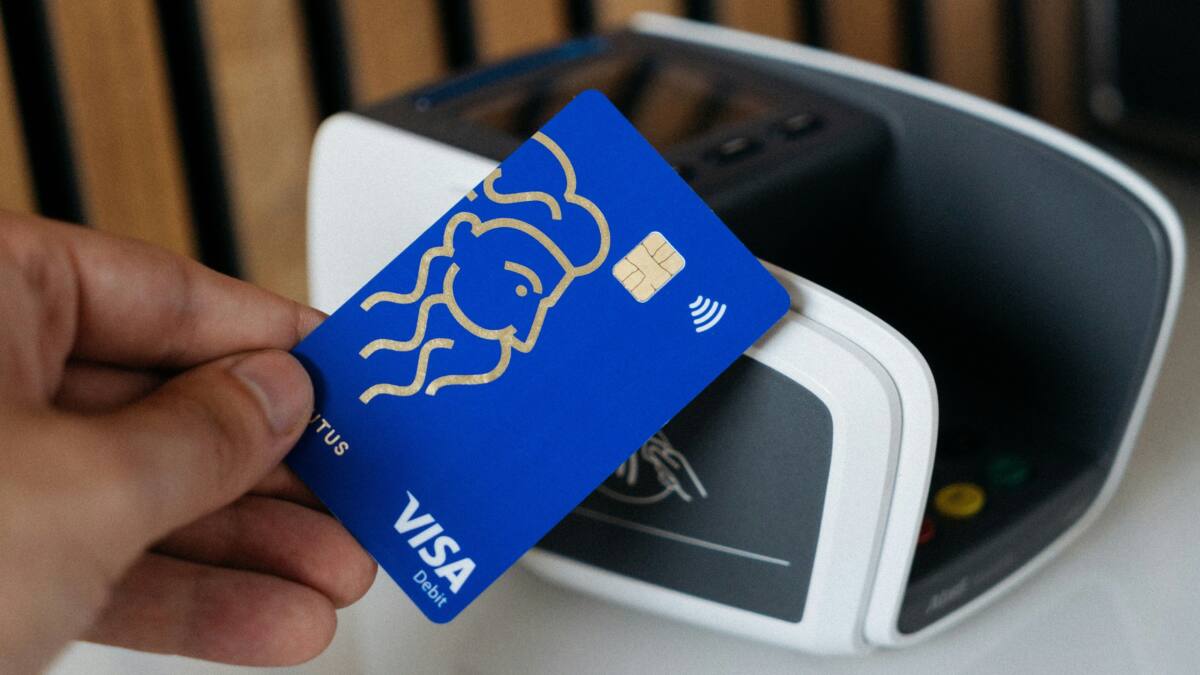
Visa is widening its stablecoin settlement pilot to nine blockchains, with support for Base, Polygon, Canton Network, Arc, and Tempo joining its existing integrations. The payments company says the program has hit a $7 billion annualized run rate, up 50% from the prior quarter, a sign that stablecoin settlement is moving from a side project to something closer to plumbing.
The pitch is simple: let issuers and acquirers settle transactions with stablecoins instead of waiting on traditional banking rails. That can shave days off cross-border movement, which is exactly why stablecoins have been winning attention from payments firms, fintechs, and card networks alike. Visa has already been testing the model through pilots and regional rollouts, including USDC settlement tied to card programs in more than 50 countries.
Visa’s stablecoin settlement pilot gets bigger
The newly added networks sit alongside Ethereum, Solana, Avalanche, and Stellar. That spread matters because the stablecoin world is fragmenting fast: different chains attract different developers, fees, and liquidity pools, and no single network has won the whole market. Visa is essentially saying partners should not have to pick one lane just to move money.
That is also a quiet competitive move. While banks are still weighing tokenized deposits and central bank digital currency experiments, Visa is building a settlement layer that can sit above the crypto mess without forcing customers to care which chain is underneath. Convenience, as usual, is the product.
Why stablecoin settlement is catching on
- Faster movement of funds across borders
- Less dependence on legacy banking rails
- Access to different liquidity pools across multiple blockchains
Visa says the multichain setup gives partners more choice without extra operational complexity, because the company is trying to provide one common settlement layer across all supported networks. Rubail Birwadker, Visa’s global head of growth products and strategic partnerships, said partners are already building for a multi-chain world and expect their options to reflect that reality.
The bigger question is whether this becomes a standard feature of payments infrastructure or just a very polished pilot. Visa has the brand, the distribution and the muscle to normalize stablecoin settlement faster than most crypto-native players, and if transaction volumes keep climbing, rivals will have to answer with something more than cautious press releases.