

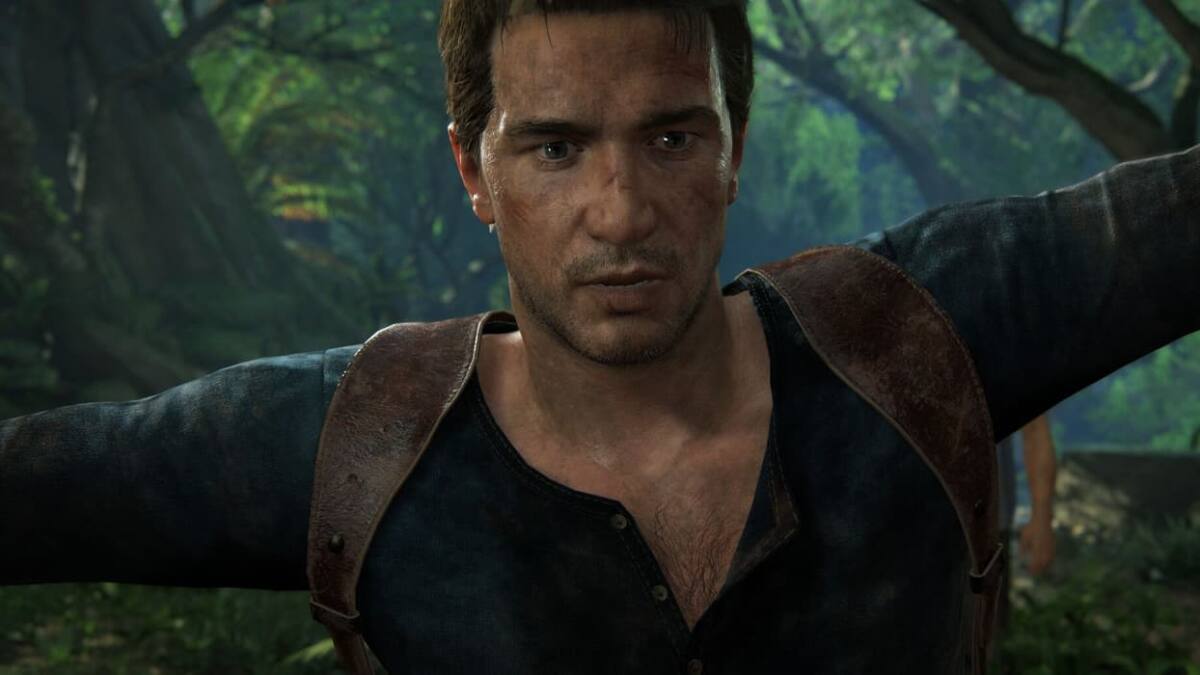
Uncharted 4: A Thief’s End was close to becoming a very expensive near-miss. According to Naughty Dog lighting artist Gabriel Betancourt in an interview with Kiwi Talkz, Sony Interactive Entertainment gave the studio a blunt ultimatum after nearly three years of work: fix the game fast or lose funding. The result was one of the PS4’s defining hits, but only after Sony tore up the old plan and sent the project back to the drawing board.
That kind of rescue usually comes with a catch, and Uncharted 4 was no exception. Betancourt said the studio’s internal culture had drifted badly enough that quality slipped, with senior staff allegedly surrounded by people who told them what they wanted to hear. That kind of feedback loop is poison in games, especially on a prestige sequel where expectations are already doing half the damage for you.
Sony replaced the leadership and restarted development
Once another director reportedly called the build ”terrible,” Sony stopped tolerating excuses. The company removed the previous leadership and handed the game to Neil Druckmann and Bruce Straley, who had just come off The Last of Us. Their fix was radical: rebuild the game from scratch rather than keep polishing a broken foundation.
That reset bought the project another three years, pushing total development to about six years. It also explains why Uncharted 4 feels so finished compared with many big-budget games that ship looking like they escaped a burning warehouse. Sometimes the difference between a franchise landmark and a write-off is simply which executives are willing to panic at the right moment.
A six-year turnaround with a high personal cost
The game eventually landed a 93 on Metacritic and became one of the PS4’s signature exclusives, but the recovery was not clean. Straley later left Naughty Dog, saying the stress and burnout tied to the reboot were too much. That lines up with a broader pattern across the industry: the games that survive this kind of rescue often do so because somebody on the inside pays for it in sleep, health, or both.
The bigger question is whether more studios will accept that kind of hard intervention earlier, before a project burns years of time and morale. Uncharted 4 got its happy ending, but only after Sony decided the polite version of ”good enough” was not good enough at all.