

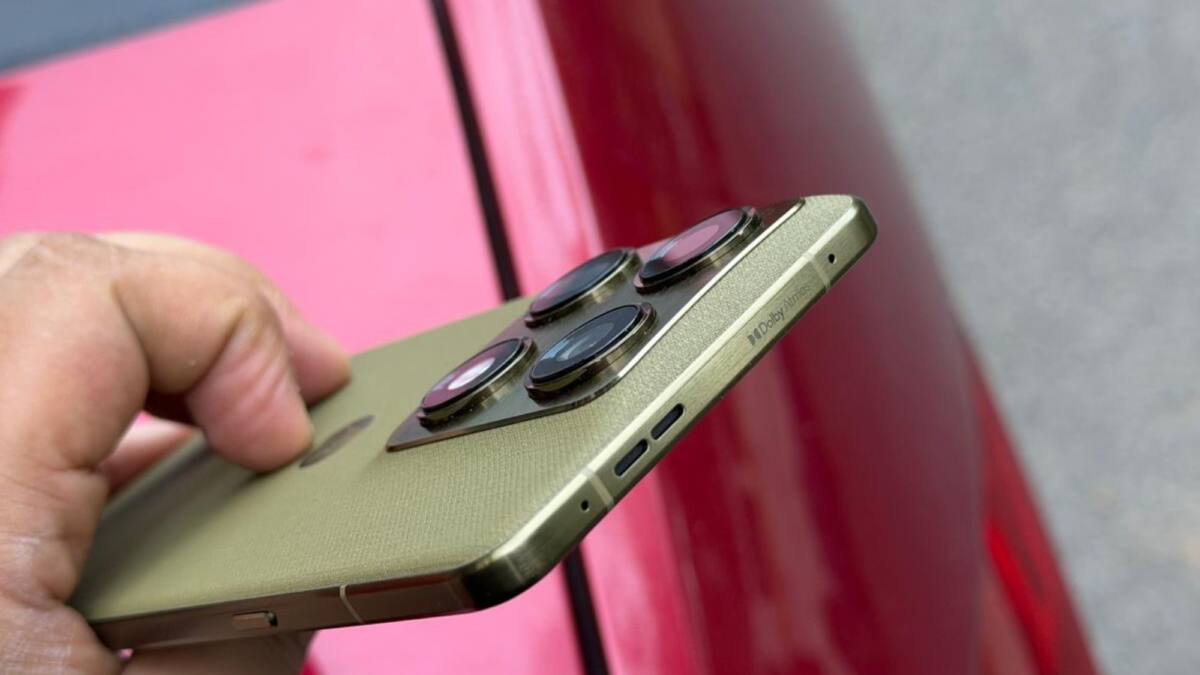
Motorola has spent years hovering around the flagship table without quite sitting down. The Motorola Signature finally makes a real flagship, not with a wild new trick, but with a tightly assembled spec sheet that looks like it was designed by a team tired of excuses. It is slim, tough, fast, and finally convincing in the places that matter most.
That makes this phone less of a shock than a correction. Competitors have already spent years polishing these same ingredients, but Motorola has now put them together with enough discipline to stop sounding like the underdog in a polite blazer.
Motorola Signature build and display
At 7.0mm thick and 186 grams, the Signature is large without feeling like a brick, helped by Gorilla Glass Victus 2 up front and an aluminium frame. The durability story is stronger than the usual marketing fluff too: IP68, IP69, and MIL-STD-810H together point to a device built for real-world abuse, not just puddles and good intentions.
The 6.8-inch LTPO AMOLED display pushes to 165Hz and a peak brightness of 6200 nits. The headline number is eye-catching, but LTPO is the smarter part of the equation, because dynamically shifting refresh rates helps keep power use in check when the panel is working that hard.
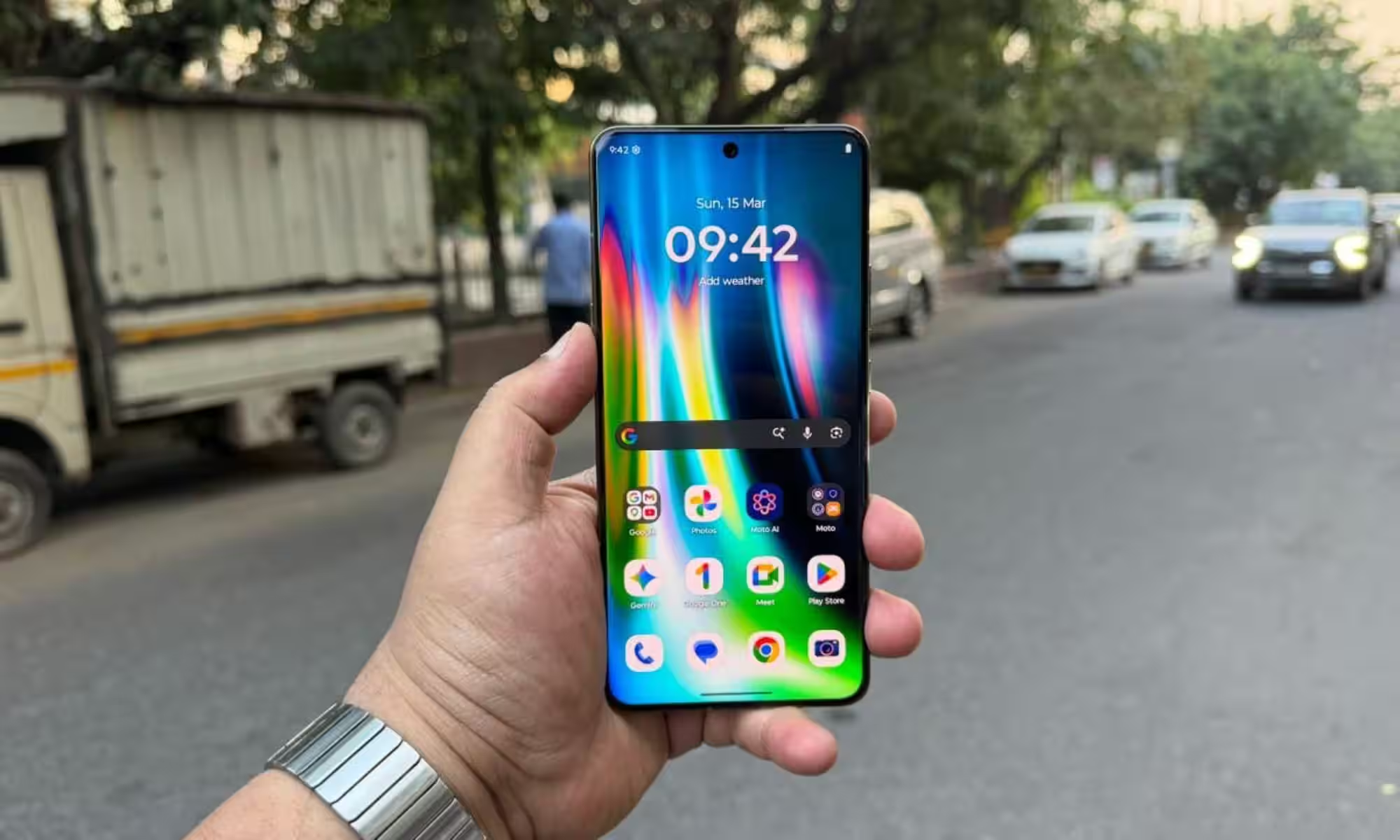
Snapdragon 8 Gen 5 and the 3nm advantage
Inside, the Snapdragon 8 Gen 5 on a 3nm process gives the phone the sort of thermal and efficiency headroom a thin flagship needs. That matters more than bragging rights: in a chassis this slim, sustained performance is the thing that separates a polished device from one that just looks fast in a launch video.
- Thickness: 7.0mm
- Weight: 186 grams
- Display: 6.8-inch LTPO AMOLED
- Refresh rate: 165Hz
- Peak brightness: 6200 nits
- Chipset: Snapdragon 8 Gen 5
Triple 50MP cameras and 8K video
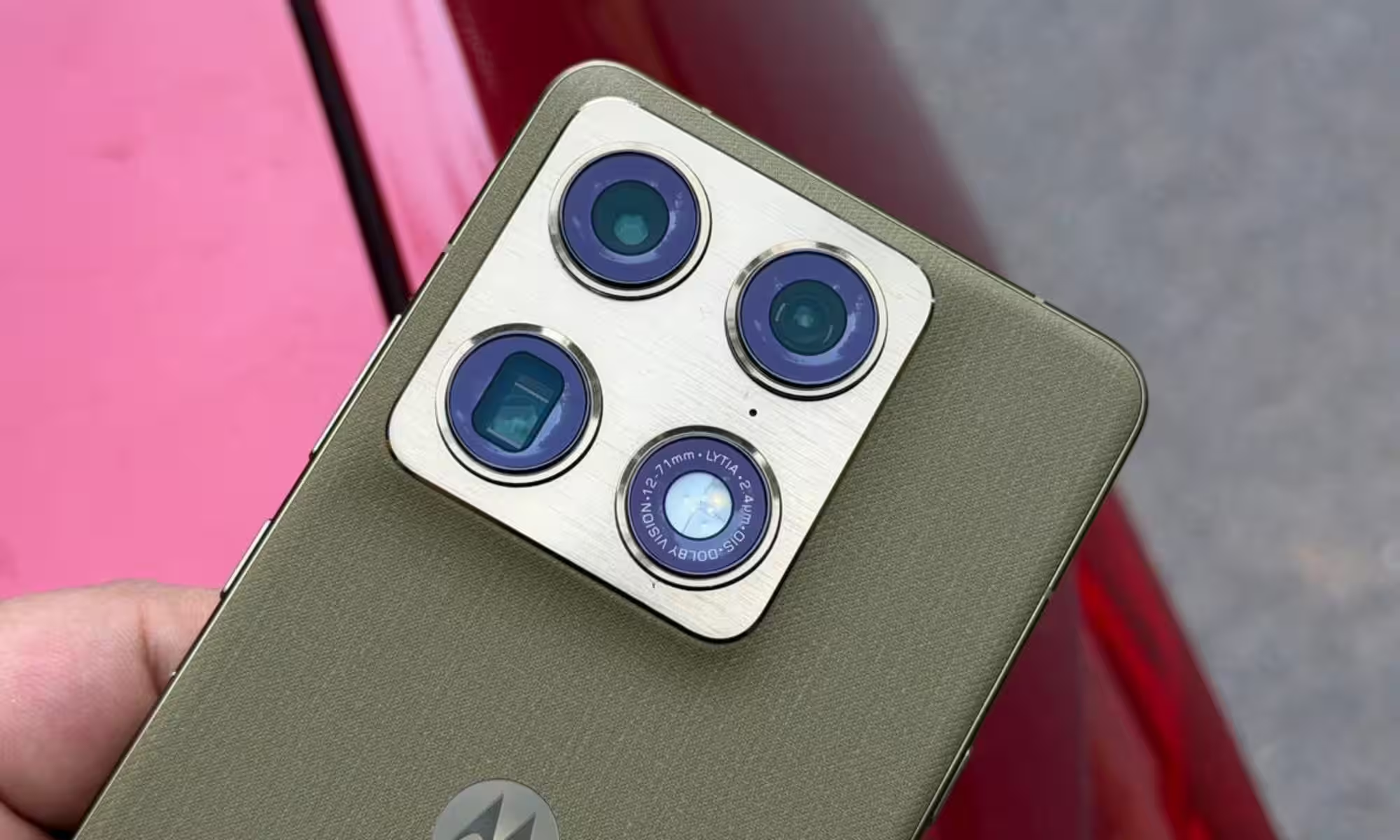
The Motorola Signature camera system looks sensible in a way Motorola has not always managed. The main 50MP sensor uses a 1/1.28-inch size, f/1.6 aperture, 1.22µm pixels, optical image stabilisation, and multi-directional PDAF. In plain English: more light, less noise, and fewer excuses when the scene gets difficult.
The telephoto camera offers 3x optical zoom at 71mm with dual-pixel PDAF and OIS, while the ultra-wide camera has a 122-degree field of view and autofocus, so it can also handle macro shots. Motorola also gives the front camera a proper seat at the table with a 50MP sensor and dual-pixel autofocus, which is a nice way of saying selfies no longer get treated like a side quest.
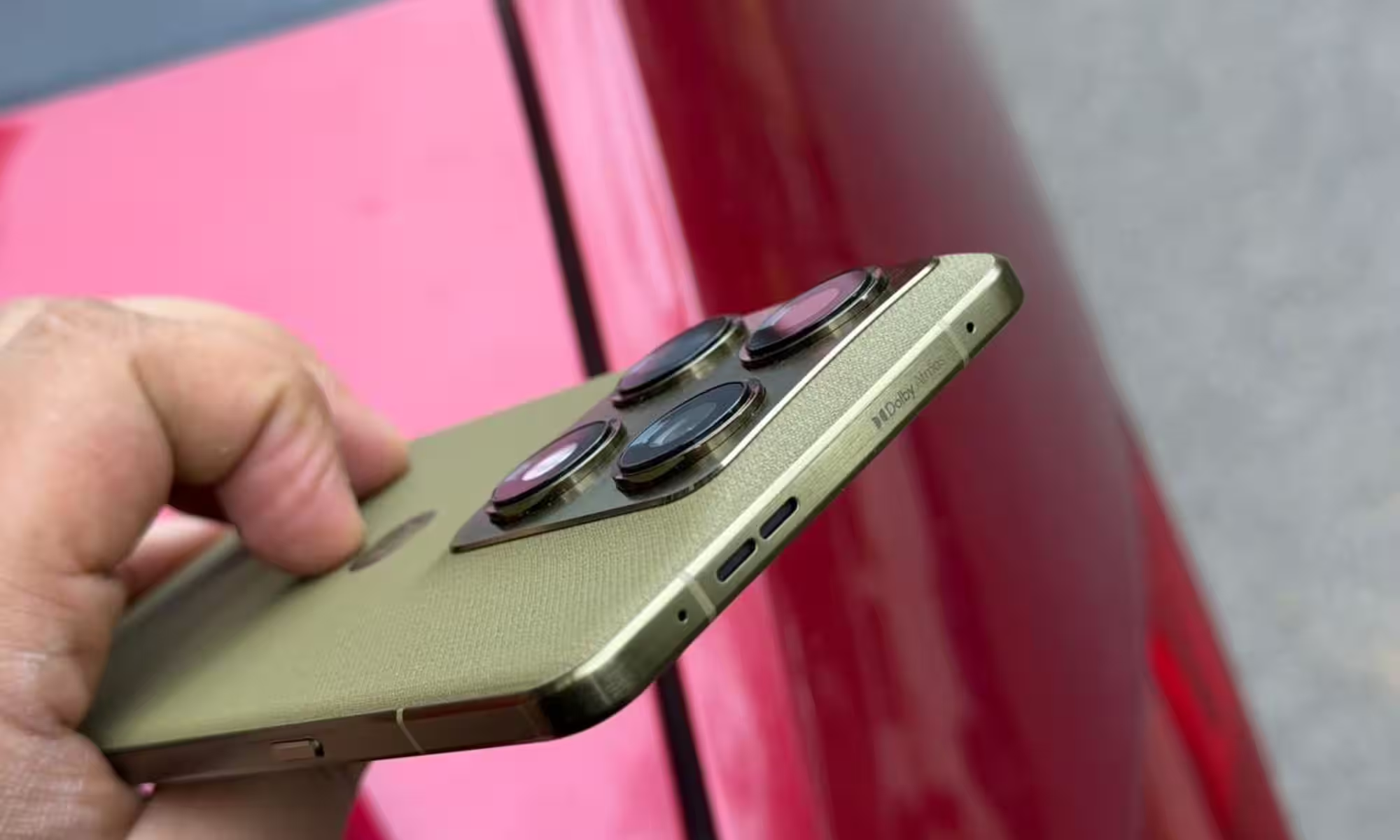
Video gets equally serious treatment, with 8K at 30fps, Dolby Vision, and 10-bit HDR10+. That last bit matters because 10-bit colour opens the door to over a billion shades, which is the kind of thing you only notice when it is missing and everything starts looking a little too compressed for comfort.
Battery, software, and the long game
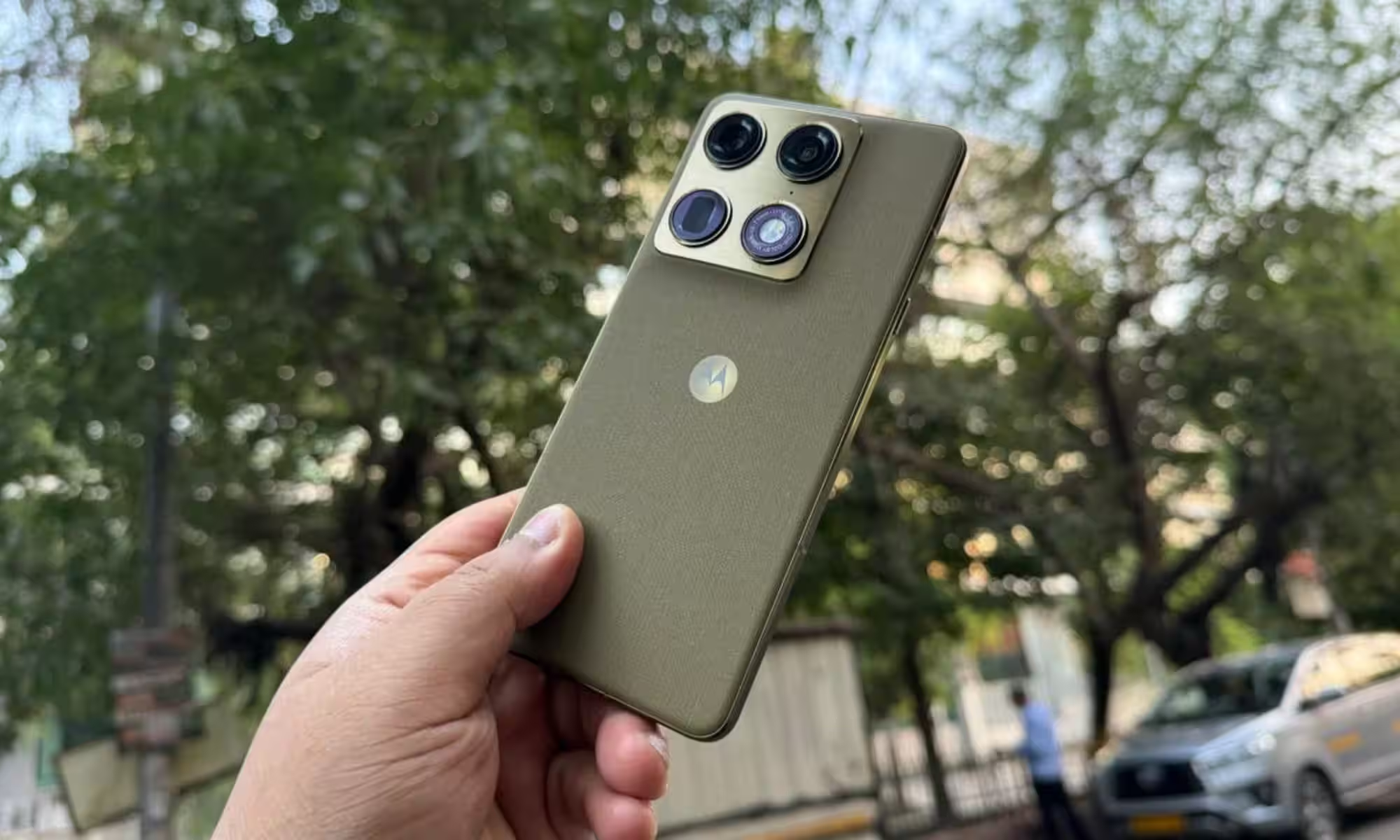
Rounding things out are a 5200mAh battery with 90W wired charging and 50W wireless charging, plus Wi-Fi 7, Bluetooth 6.0, Ultra Wideband, Android 16, and seven years of updates. That is the sort of checklist you expect from a phone that wants to be taken seriously for longer than the average upgrade cycle.
The interesting part is not that Motorola invented a new flagship formula. It did not. The interesting part is that it finally built one that feels coherent from top to bottom, while rivals chase ever stranger differentiators. If Motorola keeps this discipline in future phones, the real question is whether this becomes its new baseline or just the one model that finally got everything right.